

























































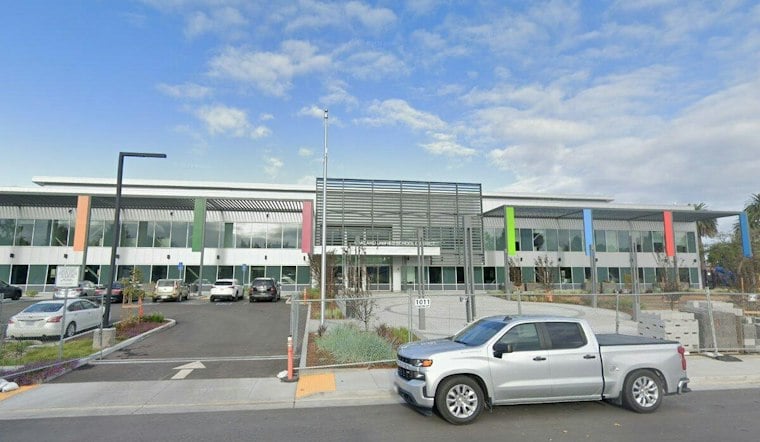
Oakland Unified School District pulled $3.5 million from voter-approved parcel tax reserves to help close a budget hole, and now a citizen oversight panel says the move broke the rules governing how that money can be spent. The district insists the transfer was legal, long-planned, and necessary to help close a deficit nearing $100 million. The oversight commission that is supposed to police the funds says otherwise, and it wants the money put back.
A Deficit Forces a Fund-Shuffling Fight
The dispute centers on Measure H and Measure N, two parcel taxes Oakland voters approved to fund career pathways and college-prep programs at district high schools, according to The Oaklandside. OUSD has acknowledged using $3.5 million from those reserves to help balance its budget for the 2025-2026 school year, even as the district maintains the spending was always part of its financial plan. The Citizens Oversight Commission alleges the district improperly used that money for staff salaries and benefits rather than new programming.
The commission's chair, David Kakishiba, framed the stakes bluntly: the panel's job, he said, is to protect the integrity of the voter-approved parcel tax measures. The commission sent a letter to the OUSD school board opposing the $3.5 million spending and asking that the funds be restored, the outlet's report notes. Four of five commission members voted against the district's reallocation proposal on June 16, 2026, and a letter signed by fifteen OUSD high school principals opposing the plan was dated June 15, 2026.
Audit Leaves Process Question Unresolved
OUSD leaders point to an outside review as vindication. The district says the review found no indications of fraud or misappropriation; Eide Bailly conducted a fiscal systems audit.
But the audit's scope was narrow. Eide Bailly's review explicitly did not address whether OUSD had the legal authority to reallocate the funds after its own oversight commission had already voted the plan down, the report states. That unresolved question — whether a school district can override a negative commission vote when the ballot measures themselves set no formal approval process for contingency fund allocations — sits at the heart of the standoff.
What the Parcel Taxes Were Supposed to Pay For
Measure N was approved by Oakland voters in 2014 to support college and career pathways in district and charter high schools, charging $120 per parcel and raising about $12 million a year for college-prep courses, career and technical education, internships, job shadowing, and college and career counseling. Oakland voters extended its successor, Measure H, for another 14 years in 2022 with 77% support, according to The Oaklandside's election coverage, a tax generating roughly $11.5 million to $12 million annually. Both measures explicitly prohibit supplanting existing costs with tax measure funding and require that 90% of funds go directly to school sites.
District officials cite real gains tied to the programs: OUSD's graduation rate climbed from about 61% to 76%, while the dropout rate fell from 24% to roughly 14%. Last school year, 92% of 10th, 11th, and 12th graders were enrolled in a career pathway, with allocations based on enrollment numbers. Allocations for the largest high schools can add up to more than $1 million a year in parcel tax funding. Schools must submit detailed education improvement plans covering spending, positions, initiatives, and outcomes, and the oversight commission votes on those plans before approved recommendations head to the school board for funding.
Budget Pressure Behind the Decision
The transfer did not happen in a vacuum. OUSD adopted budget-balancing options that included tapping parcel tax reserves back in December 2024, and the district's central office has since been cut by roughly two-thirds as fund balances fell by $90 million during the 2025-2026 fiscal year, Hoodline previously reported. The squeeze intensified in June 2026, when County Superintendent Castro warned that a newly negotiated labor agreement with the Oakland Education Association threatened the district's fiscal stability because OUSD had not identified how to pay for the raises, according to the Oakland Report.
The district was already contending with other unbudgeted costs that year. In March 2026, the City of Oakland approved a settlement requiring OUSD to pay roughly $860,000, representing the full cost of the 2022 school board election. The lawsuit concerned costs from the 2020 and 2022 elections, while the 2023 special-election bill was treated separately, Hoodline reported at the time. Then in August, OUSD missed the county filing deadline to put a renewal of Measure G1 — a separate $120 annual parcel tax generating roughly $10 million a year — on the November ballot, pushing that vote to at least 2028.
Commission Challenges the Spending
The commission argued the spending unlawfully supplanted existing costs instead of funding new programming. The reserve funds in question originated when funds were not dispersed during Measure N's planning year.
OUSD, for its part, maintains the ballot measures themselves do not specify an approval process for using contingency funds, and says it will work with the commission and the school board to establish a clearer process going forward. Former OUSD board director Sam Davis has tied the dispute to a broader erosion of public trust, pointing to Oakland voters' rejection of Measure E, a city parcel tax for public safety and municipal services, in June 2026. Voters rejected that measure, Davis has said, because they were tired of tax dollars being used for purposes different from those promised — a dynamic the commission argues now threatens confidence in Measure H and Measure N as well. Alameda County Office of Education Superintendent Castro conditionally approved OUSD's 2026-2027 budget in September, calling the submission “materially stronger” than in recent years while stressing the district still must complete additional structural cuts to maintain multiyear solvency.



