

























































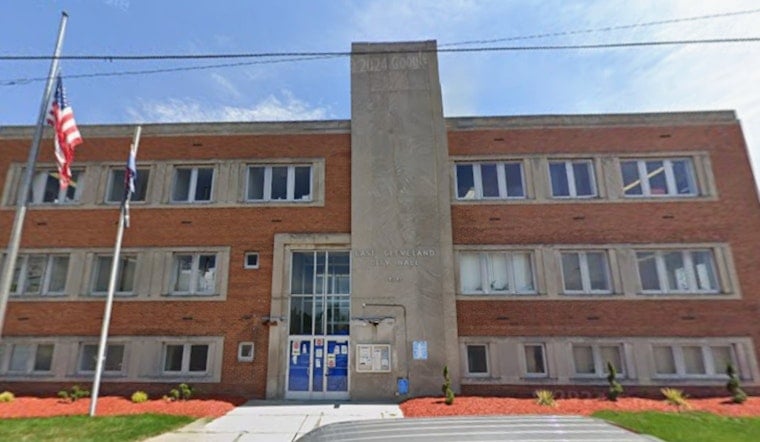
East Cleveland City Council approved a two-month moratorium on opening state-licensed marijuana dispensaries this week, and introduced separate legislation to freeze the issuance of new smoke shop permits for an indeterminate amount of time. The moves come even as the city's budget carries a projected multi-million-dollar hole, forcing council members to weigh quick cannabis tax revenue against concerns about crime and neighborhood investment.
According to News 5 Cleveland, council also introduced a resolution to ban new smoke shops in the city outright. Mayor Sandra Morgan said East Cleveland wants businesses that follow city rules and are family friendly, framing the pause as a chance to be selective about what opens in a city still climbing out of financial distress.
Morgan said the two-month dispensary freeze would allow the city to complete a study of how weed sales affect city perception, future investment and housing, per the outlet's report. She also estimated that eight smoke shops already operate within a three-and-a-half-mile radius in East Cleveland, a density that appears to be driving the push for a permit freeze on that category of business.
A Budget Hole Meets a Cash Opportunity
The timing is notable. East Cleveland became the first city in Ohio placed under state financial receivership in February 2026, following nearly 13 consecutive years in a state-declared fiscal emergency, as Hoodline reported in its court-appointed receiver's findings on the city's unreconciled books. That same accounting update pegged East Cleveland's overall liabilities between $50 million and $65 million, with a substantial portion tied to court-ordered legal settlements, according to the receiver's report.
Ohio's adult-use cannabis tax framework directs 36% of the state's 10% excise tax revenue into a Host Community Cannabis Fund, distributed to municipalities that host state-licensed dispensaries, according to research from the Moritz College of Law. In January 2026, the Ohio Department of Taxation disbursed roughly $35 million from that fund to about 100 local governments for sales recorded between August 2024 and November 2025, with individual payouts ranging from several hundred thousand dollars for small villages to more than $4 million for larger cities. Ohio consumers spent an estimated $1.1 billion on adult-use recreational marijuana between the August 2024 launch of non-medical sales and early January 2026, according to WCMH-TV.
Council Members Split on Priorities
Not everyone on council sees the moratorium the same way. Terrie Richardson said the city needs things that will bring in revenue, while Steve Lovelace said the city must consider its future need for money — both signaling discomfort with walking away from a funding stream while the budget gap persists.
Cleveland Black offered a different concern, saying bringing dispensaries to East Cleveland could worsen existing street problems. According to the proposed resolution, council and the mayor's administration believe legal and safety concerns outweigh the tax benefits produced by smoke shops, a position that appears to have carried the day in this round of legislation.
Legal Runway Behind the Timing
The two-month window is not arbitrary. Under Ohio Revised Code Section 3780.25, municipalities hold statutory authority to prohibit or limit adult-use cannabis operators within their jurisdiction, but if a dispensary license is issued for a location without an existing moratorium in place, the municipality has only 120 days to enact a prohibition ordinance, per research compiled by the Moritz College of Law. After that, a dispensary would have 60 days to cease operations or trigger a local ballot referendum, according to guidance from the County Commissioners Association of Ohio.
East Cleveland is far from alone in taking this route. More than 130 Ohio municipalities had enacted local bans or temporary moratoriums on adult-use marijuana dispensaries as of late 2025, according to the City of Shaker Heights, and several Northeast Ohio communities — including Maple Heights, Akron, Solon, Lakewood, Cleveland Heights and Fairlawn — enacted smoke shop moratoriums or strict zoning distance caps between 2025 and 2026, as reported by Scene Magazine. Hoodline previously covered a similar debate in Shaker Heights' pot shop zoning fight.
Morgan, elected in November 2025 with 84% of the vote as East Cleveland's first female elected mayor, previously served on the city's fiscal oversight commission and as appointed interim mayor before winning the office outright. Her administration now faces the task of balancing that fiscal history against a cannabis market whose tax revenue could help close part of the city's budget gap — if council eventually decides the trade-off is worth it once its study wraps up.





