

























































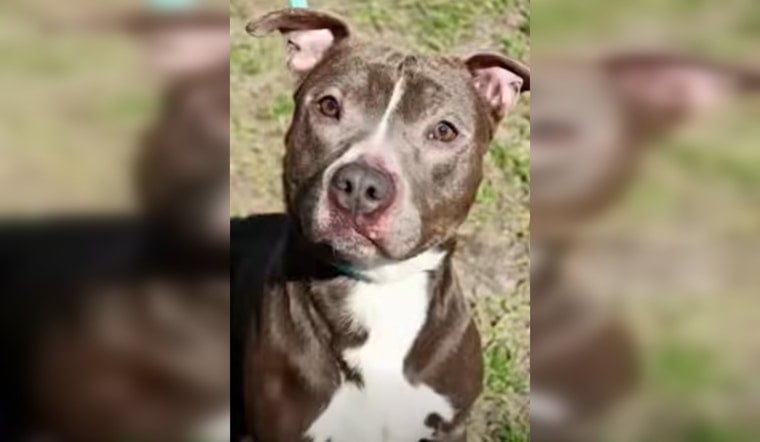
A 6-year-old mixed-breed dog named Marshall has finally left the kennel behind after 541 days waiting for someone to take him home. Nassau County Animal Services announced the adoption this week, calling it a milestone moment for a dog who had become a familiar face at the Fernandina Beach shelter for nearly a year and a half.
Marshall knows basic commands and gets along well with other pets, according to Nassau County Animal Services, which also noted he will need to complete 60 days of post-adoption heartworm treatment in his new home. The agency said Marshall was helped along the way by people who shared his posts, advocated for him, spent time with him, and offered support during his long wait. The shelter is located at 86078 License Road in Fernandina Beach, next to the DMV, and is open Tuesday and Thursday through Sunday from 11 am to 4 pm, Wednesdays from 1 pm to 6 pm, and closed Mondays and holidays.
Marshall's case is not an isolated story of shelter delay. Nationally, the median length of stay for shelter dogs has climbed steadily since 2019, with large dogs now taking a median of 20 days to be adopted compared to 11 days before the pandemic, according to data published by Shelter Animals Count. Dogs weighing 55 pounds or more make up 26% of community shelter intakes but face the longest stays and lowest adoption rates of any group, per a report from the American Veterinary Medical Association.
Florida's Shelters Under Strain
Florida's shelter system has felt these pressures acutely. A study by University of Florida Shelter Medicine found that the state's animal shelters have dealt with compounding post-pandemic overcrowding, extended lengths of stay, and rising euthanasia rates, with large dogs suffering the highest rate of non-live outcomes statewide. Nassau County Animal Services covers 714 square miles as the county's primary animal care and control agency, handling roughly 2,100 animal intakes and more than 6,000 service calls each year, and it maintains its no-kill designation through adoptions, foster networks, and rescue transfers.
Last summer, the shelter reported severe overcrowding, with more than 100 dogs in its care at one point, forcing staff to house animals in temporary pop-up kennels as adoption rates hit historic lows nationwide. That kind of capacity crunch is part of why county officials moved to reform the facility itself. In September 2025, the Nassau County Board of Commissioners voted unanimously to enter a $3.2 million contract with Shelter Planners of America to design a new animal shelter on State Road 200, according to Nassau NewsLine. The goal is to move away from the county's long-term housing model at its 1994-built facility, which was never designed for long-term care or no-kill capacity, and shorten how long animals like Marshall spend waiting for adoption.
Preventing the Next Long Stay
The shelter has also rolled out programs aimed at keeping pets out of the system in the first place. In April, Nassau County Animal Services opened a community Pet Food Pantry at its License Road location, distributing more than 600 pounds of dry pet food in its first full month to help residents keep their pets and avoid surrenders driven by financial hardship, as reported by The County Insider. The agency also promotes what it calls the “3-3-3 rule” for adopters: shelter pets need three days to decompress, three weeks to establish a routine, and three months to fully adjust to a new home, guidance meant to reduce the return rates that add pets back into an already strained system.
Nassau County Animal Services has also taken on cases beyond adoption and intake. Last month, the agency partnered with Duval County animal control officers on a joint investigation into a severe animal cruelty case in northeast Florida involving an abandoned dog found with third-degree burns, a case Hoodline previously reported in detail. Marshall's adoption offers a rare bright spot amid that broader workload, a reminder that even the shelter's longest-waiting residents can eventually find their way to a family willing to take a chance on them.





