

























































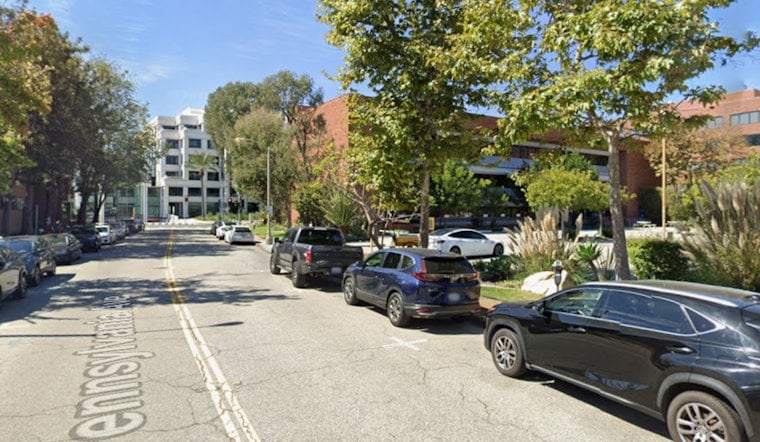
A vacant, fire-damaged city property in Central Long Beach could become a six-story affordable housing building with 55 homes aimed almost entirely at residents with very low or extremely low incomes. The proposal marks a major pivot from a stalled workforce development center plan near Pacific Coast Highway.
The City of Long Beach planning department lists the project as a July 8 conceptual site plan review item, with a status of “Comments Issued” rather than final approval. The current concept calls for a 54,248-square-foot mixed-use building with community benefit space, 32 bicycle spaces and just six car parking spaces.
55 Homes Reserved For Long Beach’s Lowest-Income Residents
According to Urbanize LA, the six-story project would include 38 apartments for very low-income households, 16 for extremely low-income households and one market-rate manager’s unit. The city-owned property sits a short distance north of Pacific Coast Highway and near a 67-unit senior affordable housing complex completed by Mercy Housing California in 2024.
Workforce Center Plan Gave Way To Housing Proposal
The site was previously tied to a Centro CHA workforce development center, but Signal Tribune reported in 2024 that the nonprofit and city ended the deal after rising construction costs made the renovation too expensive. A city memorandum later said the building suffered a second-alarm fire on July 8, 2024, leaving it damaged beyond repair and unsafe to occupy.
Long Beach Affordable Housing Pipeline Keeps Growing
The proposal arrives as Long Beach ramps up affordable housing construction across the city. In a May announcement, the City of Long Beach said six affordable developments were under construction, including Thrive, a 73-unit family complex in Zaferia, and Armory Arts Collective, a 63-unit project for low-income older adults.
The city’s posted review summary does not include a construction schedule, and the project still needs to move through additional planning and development steps. For now, the Atlantic Avenue proposal represents a striking change of course: a property once intended for job training could instead provide 55 deeply affordable homes.





