

























































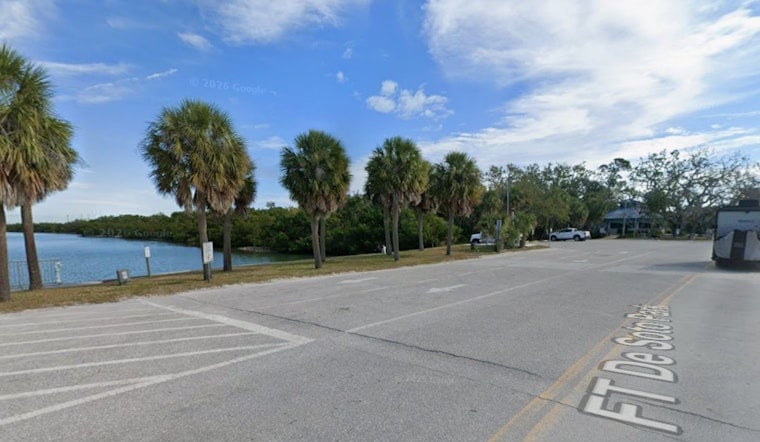
A jet skier died Saturday evening after being struck by lightning in the waters off Fort De Soto Park, south of St. Petersburg, in an incident that has left his Utah community mourning a man remembered as a devoted father and youth sports coach. Pinellas County Sheriff's Office deputies responded to the scene around 6:30 p.m. after receiving a report that a jet skier had been struck, and first responders transported the man, identified as Steve Matheson, to a local hospital, where he was pronounced dead.
According to PIX11, deputies have released no additional information about the circumstances of the strike. Matheson had a wife and four children, and he was described by his family, in a GoFundMe memorial fundraiser, as a devoted husband and loving father from Utah with a strong testimony of Jesus Christ. Family and friends say his death has left his community heartbroken, per the GoFundMe organizers.
A Coach Remembered by His Neighborhood
Matheson's neighbor, Brandon Bollschweiler, told the outlet that Matheson volunteered as a youth sports coach and had organized local basketball, football and other sports teams in their community. Matheson coached a team that included Bollschweiler's oldest son, and the two men also served together on their homeowners association board. Those who knew him described Matheson as kind, patient and dedicated to helping children.
The stretch of water where Matheson was struck sits within Fort De Soto Park, the largest park in the Pinellas County system. The park spans 1,136 acres across five interconnected barrier islands at the entrance of Tampa Bay and draws more than 2.7 million visitors a year, according to Pinellas County Government. Its open water and causeways make it a popular spot for jet skiing, fishing and boating, the same kinds of outdoor recreation that experts say carry the greatest lightning risk.
Florida's Lightning Toll Keeps Climbing
Matheson's death marked Florida's fifth lightning-related fatality of 2026, per the National Lightning Safety Council. Before this incident, the state had already recorded four lightning deaths this year, including a single strike that killed a 31-year-old mother and her 2-year-old daughter on a Margate sidewalk less than a week earlier, as reported by the National Weather Service. Other 2026 Florida victims included a 51-year-old man at Fort Myers Beach in July and an 18-year-old kayaker in May. Nationwide, the National Weather Service had logged 12 total lightning fatalities through late August, meaning Florida alone accounted for nearly half of them.
The state's grim distinction is not new. The National Lightning Safety Council's historical data shows Florida recorded 100 lightning fatalities between 2006 and 2025, more than double the 44 deaths recorded in Texas, the second-highest state, over the same 20-year span. Pinellas County itself has seen this kind of tragedy before: in July 2024, a 16-year-old girl was struck and killed while standing near a tree during a summer storm in St. Petersburg, one of six lightning deaths recorded statewide that year.
Why Jet Skis Offer No Protection
Marine safety agencies, including Environment Canada, warn that personal watercraft like jet skis offer zero electrical shielding, leaving riders as the tallest object on open water when a strike occurs, with electrical current spreading outward across the surface on impact. A 20-year analysis by the National Lightning Safety Council, cited by WUFT News, found that 85 percent of lightning deaths in Florida were men, a pattern attributed to higher participation in exposed outdoor activities such as fishing and boating.
Research from the National Weather Service and the National Lightning Safety Council shows outdoor leisure activities account for nearly two-thirds of all U.S. lightning fatalities, with open-water pursuits like boating and fishing representing the highest-risk category, since watercraft need extra time to reach enclosed shelter. Federal guidance for boaters centers on the 30/30 rule: seek shelter immediately if thunder follows a lightning flash within 30 seconds, and wait at least 30 minutes after the last thunderclap before returning to the water. Officials note that roughly a third of lightning casualties happen after a storm has passed, when people return to outdoor activities too soon.
It remains unclear what weather warnings were in effect near Tampa Bay at the time of Saturday's strike, how quickly the storm developed, or whether Matheson was accompanied by other riders. Deputies have not released further details on the incident. His family's GoFundMe fundraiser continues to collect support as friends and neighbors remember the coach who built youth sports teams in his community.





