

























































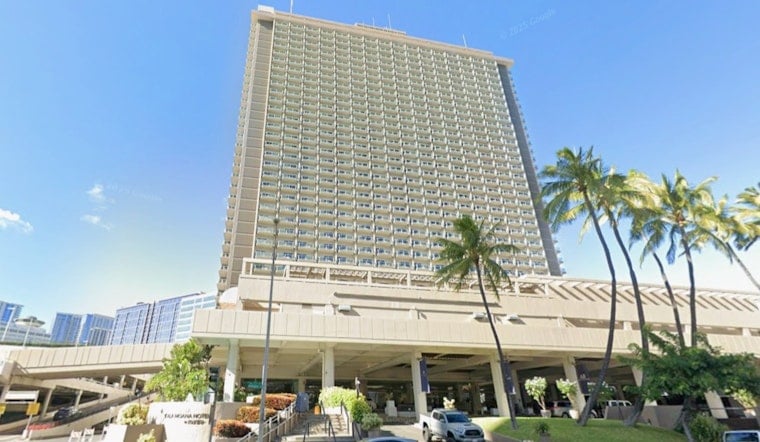
Four young women representing Oahu, Maui, Kauai, and Hawaii Island are set to compete for the statewide crown at the 65th Miss Hawaii Filipina Scholarship Pageant, held today at the Ala Moana Hotel's Hibiscus Ballroom in Honolulu. The finale caps a week of public social media voting for special awards that ran from August 8 through August 14, and it marks the moment reigning titleholder Khiani Taylor passes her crown to a successor after a year spent representing the state at community events across the islands.
The four finalists each carry their island's banner into the ballroom: Darlyn Dayoan for Oahu, Angel Alba for Maui, Saebrie Pegeder for Kauai, and Joyce Rosabia for Hawaii Island, according to KHON2. Per that report, the pageant gives young women a platform to celebrate Filipino culture and heritage while empowering them to become leaders in their communities. Each contestant is expected to highlight an individual platform and showcase how she hopes to use her voice to serve others, the station notes.
Khiani's outgoing reign has centered on community service, and the station's report frames her year as an opportunity to represent the state of Hawaii at large, not just her home island. The organization also maintains an Instagram account, @themisshawaiifilipina, where updates on contestants and events are shared.
A Pageant Born With Statehood
The competition traces its roots to 1959, when it was established as Miss Philippines–Hawaii during the inaugural Fiesta Filipina under the United Filipino Council of Hawaii. The very first titleholder, 19-year-old University of Hawaii student Leticia Quiday Quintal, later traveled to the Philippines during her reign and met President Carlos P. Garcia as a goodwill ambassador, according to the organization's own historical posts.
The United Filipino Council of Hawaii, the umbrella group behind the pageant, was formed in June 1959 through efforts led by then-Philippine Consul General Juan Dionisio. As Positively Filipino has reported, the council stands as the oldest statewide Filipino American umbrella organization in Hawaii, uniting more than 100 member groups across six island councils formed around the time of statehood to unify and advocate for the state's growing Filipino population.
Saturday's 65th anniversary program also honored milestone past titleholders spanning six decades — including 60-year queen Sandra San Agustin from 1966, 50-year queen Sharon Robles from 1976, and 10-year queen Amelia Laborte from 2016 — a tradition the organization uses to connect generations of young leaders.
Why the Crown Still Matters to Local Families
Hawaii is home to the second-largest Filipino population in the country, with more than 383,000 residents identifying as Filipino American alone or in combination with other races, according to AAPI Data's analysis of U.S. Census Bureau estimates — meaning Filipino Americans make up roughly a quarter of the state's overall population. That scale gives added weight to the pageant's scholarship mission, since a 2022 Hawaii United Way ALICE report cited in state health data found that 59% of Filipino households in Hawaii fell below the asset-limited, income-constrained threshold, according to federal maternal and child health data. High island living costs leave more than half of local Filipino families struggling to afford basic necessities despite high employment rates, per that same data.
Candidates reach the state stage only after winning island-level preliminaries, such as Miss Oahu Filipina, a competition launched in 1973 by the Oahu Filipino Community Council. Per The Ilocos Times, if an island titleholder goes on to win the statewide crown, her local first runner-up assumes the vacated island title, keeping the feeder system running each year.
The scholarship contest isn't the council's only pageant. The United Filipino Council of Hawaii Foundation also runs the Mrs. Hawaii Filipina Charity Pageant, launched in 1988 and marking its 38th year in 2026 as a fundraiser for college scholarships and business mentoring. Pageantry in Filipino culture functions as a vital fundraising structure adapted from traditional town fiesta celebrations, the council notes on its own event listings.
Rotating Islands, Shared Spotlight
The statewide pageant rotates host islands each year, giving neighbor island councils a turn to showcase local talent and hospitality. Last year's event was held on Kaua'i at the Kaua'i War Memorial Convention Hall, hosted by the Kaua'i Filipino Community Council, before the honor moved to Oahu for this year's 65th anniversary celebration.
Whoever is crowned today inherits a role built on leadership, mentorship, and community service — the same pillars that have defined the title since Quintal first wore it 65 years ago. For Dayoan, Alba, Pegeder, and Rosabia, tonight's ceremony at the Hibiscus Ballroom represents the culmination of months of island-level competition and a chance to carry their communities' stories onto a statewide stage.





