

























































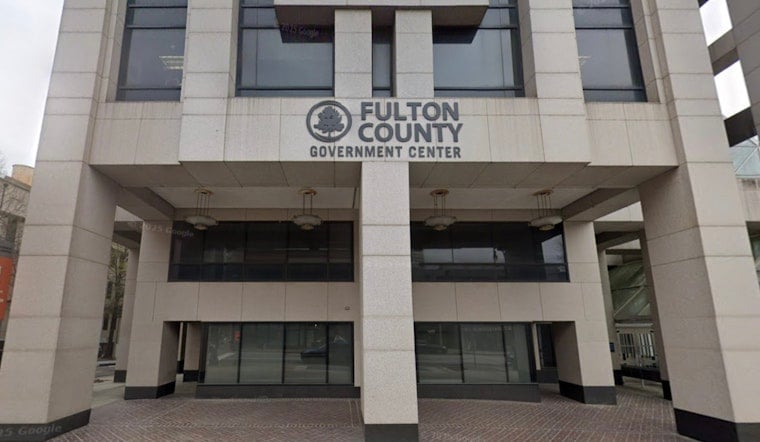
Fulton County's 2026 property-tax bills are in bureaucratic limbo, and officials are turning to a Superior Court judge for permission to collect money before the county's tax digest is finished. The stopgap request is aimed at keeping cash flowing to county government, Fulton County Schools and municipalities that rely on property-tax revenue for payroll and routine bills. For homeowners, it could mean a temporary bill now — and a second calculation later if the final digest changes.
The county commission and school district planned to ask Judge Shukura L. Ingram on Tuesday for an order allowing temporary tax collections, according to The Atlanta Journal-Constitution. The immediate trigger was an unusually high number of land packages that had not been processed, Commissioner Dana Barrett said. That unfinished work has delayed the chain of setting millage rates and issuing 2026 bills.
Why Fulton County Needs The Court’s Green Light
Fulton commissioners approved a resolution on July 15 authorizing the county attorney to petition Superior Court for an order under O.C.G.A. § 48-5-310, according to the Fulton County Board of Commissioners. That Georgia law allows a county to seek immediate, temporary tax collection when the digest has not been approved, as outlined in the Georgia Code. County officials said the move was intended to help get bills out by mid-August and preserve an October 15 due date, though appeals or court delays could push that schedule back.
The process starts with assessments and appeals, not with a single countywide tax number. Fulton County Government said 2026 assessment notices were issued in June, with most appeals due last Friday, while the Fulton County Board of Assessors says it handles property values and digest preparation and that the tax commissioner calculates, prints and collects the bills. Cities, school boards and the county then set their own millage rates, which helps explain why a digest delay can ripple across multiple local budgets.
The Cash-Flow Problem Could Reach Paychecks
If the judge grants the order, Fulton County could begin collecting taxes temporarily, with property owners likely receiving an initial bill and an adjusted bill once the digest is finalized, the AJC reports. County finance officials warned that reconciliation could leave some taxpayers owing more, while others could receive refunds. Superintendent Mike Looney said Fulton County Schools is prepared to take out a loan to cover bills, including teacher salaries, if the court rejects the request.
This Is A Billing Workaround, Not A New Rate Hike
The court petition itself does not set a new millage rate; it is a timing fix meant to keep collections moving while the digest is reconciled. Fulton’s general-fund millage rate was kept flat at 8.87 mills for FY2026, as Hoodline previously reported, although individual bills can still change with assessed values, exemptions and rates set by other jurisdictions. The county’s July resolution also warned that significant appeals could affect the billing schedule and the final numbers.
What Happens Next
For now, Fulton County homeowners are facing a paperwork problem with real financial consequences: officials need permission to send bills before they have finished agreeing on the underlying digest. The eventual question for taxpayers is not only how much they owe, but whether the first bill is the final one.





