

























































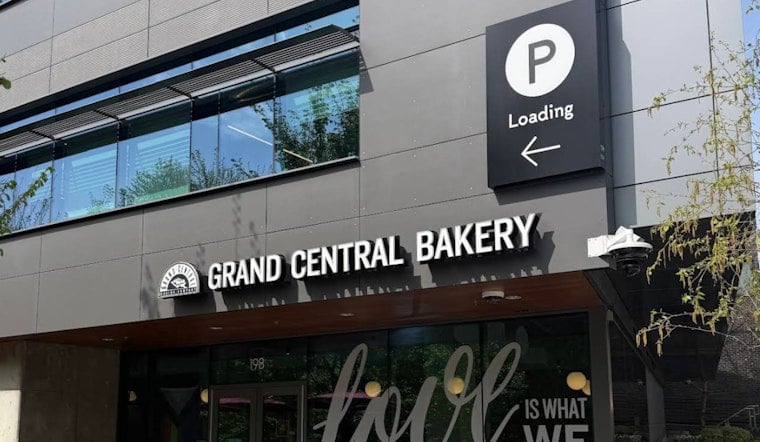
Grand Central Bakery has recalled more than 500 loaves of potato sourdough bread sold at Seattle and Tacoma grocery stores after workers discovered a pallet nail baked into a loaf. The recall covers the Potato Market Loaf, Potato Table Loaf and Mini Potato Loaf, all traced to a single batch of dough mixed Monday.
As reported by The Seattle Times, the bakery said the recall is related to that one batch of dough and that no injuries or illnesses had been reported as of Thursday evening. The affected loaves were sold both at Grand Central Bakery's own cafés and through its wholesale accounts, and the company has notified the FDA about the discovery.
Grand Central Bakery operates café locations in Burien, Eastlake, Wallingford and Wedgwood, according to the same report. Its wholesale reach extends much further, with products distributed to Central Co-op, Fred Meyer stores, Hilltop Red Apple, Ken's Markets, Marketime Foods, Metropolitan Markets, PCC Markets, QFC stores, Town & Country Market, Thriftway stores, Whole Foods Markets and Yakima Fruit Markets.
What Shoppers Should Do With the Bread
The bakery is urging anyone who bought the Potato Market Loaf, Potato Table Loaf or Mini Potato Loaf on Monday to throw the bread away rather than eat it, per the Seattle Times report. Customers with questions can reach Grand Central Bakery through its website or by calling 503-232-0575.
A pallet nail falls squarely within the size range federal regulators treat as a genuine physical hazard. Under FDA Compliance Policy CPG Sec. 555.425, hard or sharp objects measuring between 7 and 25 millimeters are classified as capable of causing traumatic tissue injury or dental damage. Recalls tied to that kind of foreign-object risk, when the probability of serious harm is considered low, are typically handled as Class II recalls under standards outlined by the Food Industry Association — meaning any potential health consequences are expected to be temporary or medically reversible.
A Bakery Built on Northwest Roots and a Unique Ownership Model
Grand Central Bakery has deep ties to the region's food scene. The bakery was founded in Seattle's Pioneer Square in 1989 by Gwen Bassetti, growing out of a sandwich shop that dated back to 1972, according to PCC Community Markets. That origin story is part of what helped spark the Pacific Northwest's broader artisan bread movement, introducing hearth-baked European-style sourdough and Como loaves to local shelves.
The company also stands out for how it's structured. In May 2022, Grand Central Bakery shifted to a Perpetual Purpose Trust, a corporate arrangement reported by Willamette Week that ensures the business can never be bought or sold, locking in its mission and local independence permanently. It is also the first Certified B Corporation bakery in the Pacific Northwest, according to Built In Seattle, sourcing more than half of its ingredients from local independent suppliers and diverting over 85% of its waste from landfills.
That sustainability profile sits alongside a significant wholesale footprint. Built In Seattle reported in June 2025 that Grand Central Bakery runs 12 retail cafés across Seattle and Portland, while wholesale distribution to regional grocers and restaurants makes up roughly half of its overall revenue — a scale that helps explain how a single flawed batch of dough could reach dozens of stores across two cities.
Second Recall in Under Two Years
This isn't the bakery's first brush with a product recall. In October 2024, Grand Central Bakery voluntarily pulled its U-Bake frozen pie dough and frozen pie products after discovering undeclared egg allergens missing from the packaging, according to the Washington State Department of Health.
The current incident also lands amid a documented uptick in foreign-object recalls nationwide. Industry data compiled by The Acheson Group found that food recalls tied to foreign object contamination rose 93% during the first four months of 2025 compared with the same period the year before, with processing equipment breakdowns and supply chain inputs cited as leading causes. Separate figures from BRCGS show metal fragments account for 36% of physical hazard recalls in the United States, the single largest category of that kind of contamination.
Commercial bakeries in Washington fall under the oversight of the Washington State Department of Agriculture's Food Safety Program, which conducts facility inspections and coordinates recall responses alongside federal agencies. Grand Central Bakery is no stranger to Seattle neighborhoods; Hoodline has covered its Wallingford opening and its earlier arrival in Wedgwood as the chain expanded across the city.





