

























































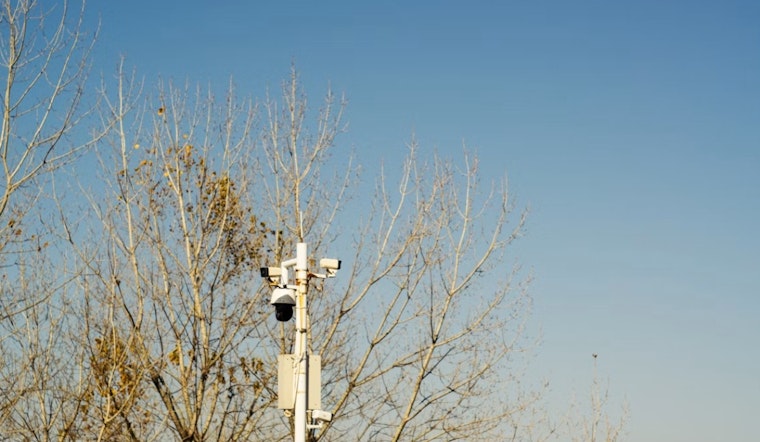
Hamilton is keeping its network of 27 active Flock cameras in place, but the city has now put some of the system’s ground rules on paper after residents raised concerns about surveillance and data access. The newly released manual says police control the information, retain it for 30 days and limit outside searches under an approval process. It also makes clear that the cameras are not live-streaming street cameras, though plenty of questions remain about who gets to search the database and why.
The manual surfaced after the grassroots group DeFlock Hamilton pressed city leaders for more transparency, according to WKRC. Assistant Chief of Police Brian Robinson said the department has followed the guidelines since Hamilton began using automated license plate readers in 2015, even though the policy was only publicly detailed now.
Under the rules, Hamilton Police Department maintains administrative control over all Flock data generated by its cameras and decides what can be shared, with whom and under what conditions. Agencies within 50 miles can automatically conduct vehicle searches, while agencies farther away must submit a request for review by Hamilton’s Flock administrator. Those searches can show searchable vehicle data and still images, but not HPD hot lists, internal alerts or live video.
Hamilton has one additional Flock camera that is standing but out of order, and the department says officers receive training and undergo regular audits. Police leadership has conducted at least 60 audits of Flock usage, Robinson told WKRC, while no Hamilton officers had been investigated or accused of abusing the system as of Monday. Robinson acknowledged that misuse is always possible when people operate a system, but said the department would take action if abuse were found.
Hamilton Police Point To Crime-Fighting Results
Police leaders say the cameras have helped investigators identify vehicles connected to crimes, although the department cannot provide a precise count of cases solved with the technology. Robinson cited the homicide investigation of Hamilton firefighter Patrick Wolterman as a notable example, saying Flock data became a key piece of evidence that helped investigators identify a suspect and secure a homicide conviction.
The privacy debate is hardly limited to Hamilton. The ACLU of Ohio has warned that broad data-sharing networks can allow agencies to search another department’s camera records, pointing to 273 searches of Shaker Heights data that advocates said involved immigration enforcement and protest surveillance.
The technology’s footprint is also growing across the state. A WOSU Public Media investigation found that 15 Central Ohio departments had contracts covering 319 Flock cameras worth nearly $2 million, while privacy advocates argued that residents often have little say in how the systems are deployed or used.
The Unanswered Oversight Question
Hamilton officials say the city does not partner with Immigration and Customs Enforcement, and federal access requires approval from the police chief. That may address one of the loudest concerns, but it does not resolve the broader question of how residents can independently verify that local rules are being followed.
That concern has gained urgency elsewhere in Ohio after Dayton suspended its Flock program when officials discovered a network-sharing feature had allowed more access than intended. WHIO reported that an internal review found safeguards had not been properly implemented.
For Hamilton residents, the new manual offers a clearer rulebook but not a final answer. The next test will be whether the city regularly discloses search totals, access requests and audit findings—or leaves the public to trust that the cameras are behaving themselves behind the scenes.





