

























































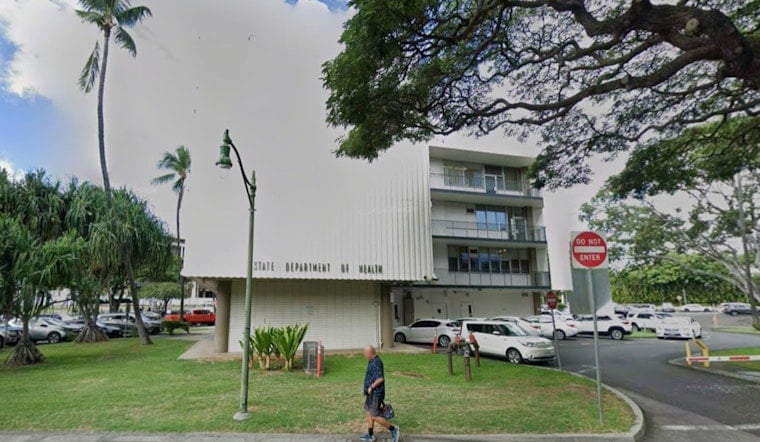
The Hawaiʻi State Department of Health issued an urgent warning Saturday that a dangerous batch of fentanyl-laced cocaine is circulating in Honolulu, and officials say it has already led to suspected overdoses. The alert, distributed through the agency's social media channels, urges anyone using illicit drugs to assume fentanyl is present and to take precautions immediately.
The Hawaiʻi State Department of Health posted the bad-batch alert early Saturday morning, warning residents not to use drugs alone, to always carry naloxone, and to use fentanyl test strips before consuming any illicit substance. The agency said evidence points to a tainted supply moving through Honolulu, though it did not specify how many suspected overdoses have occurred or where in the city they took place. The department's post also directed people to spread the word and pointed to statewide resources for naloxone and treatment support.
Why Fentanyl in Cocaine Is So Dangerous
Cocaine users typically carry no physical tolerance to opioids, which makes even a trace amount of fentanyl in a stimulant supply potentially lethal. Synthetic fentanyl is roughly 50 times more potent than heroin and 100 times more potent than morphine, according to the Centers for Disease Control and Prevention and local health advisories cited by the Hawaiʻi Island Fentanyl Task Force, with a dose as small as 2 milligrams considered potentially lethal for someone without opioid tolerance. Because fentanyl is odorless and invisible when mixed into powder, users often have no way of knowing their supply has been contaminated.
That contamination risk has been building for years. Fentanyl-involved overdose deaths in Hawaiʻi rose from nine in 2014 to 103 in 2023, according to Hawaiʻi Department of Health figures cited by the Hawaiʻi Island Fentanyl Task Force, driven largely by illicit fentanyl being laced into stimulants like cocaine and methamphetamine. CDC data reported by USAFacts in May showed Hawaiʻi recorded 333 total drug overdose deaths in 2024, an age-adjusted rate of 23.0 deaths per 100,000 residents.
What to Do If You Witness an Overdose
State guidance instructs anyone who witnesses a suspected overdose to call 911 immediately, administer naloxone, and keep the person awake and breathing while laying them on their side until help arrives. Because of fentanyl's potency, multiple doses of naloxone may be needed to reverse an overdose, according to the department's alert. Free naloxone is available at distribution sites statewide, with locations mapped on the state's Opioid Settlement Program website, and free fentanyl test strips can be obtained through the Hawaiʻi Health and Harm Reduction Center by calling 808-521-2437 or visiting its offices at 677 Ala Moana Blvd., Suite 226, in Honolulu, Monday through Friday from 9 a.m. to 4:30 p.m.
Anyone in crisis or looking for support can also call, text, or chat with 988 at any time, per the department's alert. Hawaiʻi law offers additional protection for bystanders who step in: under Hawaiʻi Revised Statutes § 329-43.6, the state provides limited immunity from arrest, charge, prosecution, or civil asset forfeiture for personal drug or paraphernalia possession for people who seek emergency help during an overdose, according to Justia Law. The Good Samaritan protection is designed to remove the legal fear that can delay a 911 call during a life-threatening drug poisoning.
State Has Ramped Up Harm Reduction Infrastructure
The warning lands amid a broader state effort to expand access to overdose-reversal tools. The Hawaiʻi Department of Health and community harm reduction partners had installed 155 public naloxone distribution boxes and 24/7 free harm reduction vending machines across Oʻahu, Maui, Kauaʻi, and Hawaiʻi Island by late 2025, according to the Hawaiʻi Health & Harm Reduction Center. The vending machines allow people to obtain free Narcan nasal spray anonymously, without a prescription or insurance.
In February 2025, the department launched a public online portal tracking the allocation of more than $100 million in national opioid settlement funds, including data dashboards on overdose emergency room visits, settlement spending, and naloxone distribution locations statewide, as Hoodline reported at the time. That effort followed the department's Alcohol and Drug Abuse Division launching the Hawaiʻi Overdose Initiative Action Plan in January 2025, a multi-sector strategy targeting polysubstance use and equitable harm reduction access across government agencies, healthcare providers, and community groups.
The Honolulu alert also arrives against a backdrop of escalating fentanyl trafficking on Oʻahu. In January, federal authorities indicted a Hawaiʻi Army National Guard soldier after recovering 3.5 kilograms of fentanyl hidden inside a locker room at a Kapolei Guard facility, a seizure that dwarfed prior monthly Honolulu Police Department averages of roughly 600 grams in early 2025, Hoodline previously reported. Federal prosecutors with the U.S. Attorney's Office for the District of Hawaiʻi apply statutes carrying mandatory minimum prison terms of 20 years to life for drug distribution that results in a fatal overdose.
While methamphetamine remains Hawaiʻi's primary illicit drug threat, with meth-involved overdose fatalities rising 8% statewide in 2025, polysubstance contamination involving fentanyl in cocaine and street pills represents the fastest-growing fatal risk, according to state prosecutor reports and local coverage. It remains an open question whether recreational cocaine users in Honolulu regularly carry naloxone or know how to administer it, a gap health officials are trying to close through the expanded network of vending machines and distribution boxes across the islands.



