

























































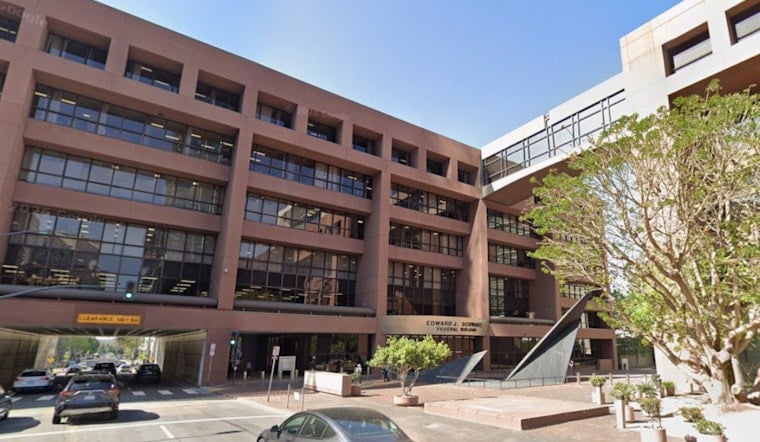
Dealers on a stretch of Imperial Avenue in San Diego allegedly moved more than $2 million worth of cocaine a month before federal authorities shut the operation down in July, according to court documents. Thirty alleged gang members and associates now face conspiracy charges for distributing cocaine and cocaine base, with all defendants pleading not guilty at arraignment.
The figures come from a report by Times of San Diego, which detailed how the market fed a network of low-level dealers operating on both sides of Interstate 5. Investigators believe customers purchased about 20 pounds of cocaine weekly on the Grant Hill block alone, and the reach of the operation extended into Logan Heights, Sherman Heights, and parts of downtown including East Village.
The case traces back to a pre-dawn operation on July 15, when authorities shut down the open-air drug market centered at Imperial Avenue and 29th Street. More than 350 federal, state, and local officers executed 21 search warrants on homes and vehicles that day, according to the U.S. Attorney's Office for the Southern District of California. The San Diego Police Department, San Diego County Sheriff's Department, Chula Vista Police Department, and National City Police Department all took part alongside the FBI's Violent Crimes Task Force - Gang Group.
Millions in Product Seized Steps From Downtown
Investigators seized 11 pounds of cocaine with an estimated street value of $550,000, more than $14,000 in U.S. currency, two handguns, and a money-counting device during the raids. U.S. Attorney Adam Gordon said the market operated with impunity and audacity, making millions of dollars a month just a mile or two from Petco Park, the Gaslamp Quarter, downtown businesses, luxury condos, restaurants and hotels.
The investigation began in 2024, according to court documents, and relied on wiretaps and a surveillance camera trained on Imperial Avenue at 29th Street. The task force focused on alleged West Coast Crips members suspected of drug trafficking and violence, part of a strategy the FBI has pursued in southeastern San Diego for over a decade — federal prosecutors indicted 55 alleged West Coast Crips members and associates in 2014 on racketeering and drug distribution charges tied to murders and armed robberies.
Alleged conspirators named in the case included street dealers, cocaine suppliers, and purchasers who bought crack cocaine for redistribution. The defendants range in age from 19 to 76. Among them is Rynell Baker, who prosecutors said was convicted of first-degree murder in 1994 and was paroled in 2021. San Diego Police Chief Scott Wahl said gang activity has no place in the city.
Violence Along the Corridor
The Imperial Avenue corridor had already seen violence tied to the market before the bust. On January 9, a shooter opened fire on the block, wounding two men in the leg. Federal drug conspiracy charges involving 280 grams or more of crack cocaine carry a mandatory minimum of 10 years in prison up to life, with no possibility of federal parole, which was abolished under the Sentencing Reform Act of 1984.
The July operation was not an isolated action. In February, San Diego authorities executed Operation Street Sweeper, leading to grand jury indictments against 34 individuals for open-air drug sales in East Village, an effort Hoodline previously reported focused heavily on fentanyl, methamphetamine, and crack cocaine sales near 16th and 17th streets.
Residents Say Dealers Simply Relocated
Jason Burke, who contributes to the East Village Doers Instagram account along with Cindy Cook, said he has watched drug activity unfold outside his own window and has documented it using the Downtown San Diego Partnership's Clean and Safe app, sending his findings to San Diego police. He called the displacement of drug dealers and users after major busts an inevitability rather than a resolution.
Since the July raid, Burke has reported a resurgence of drug sales along Park Boulevard and Market Street, along with an increase in emergency calls involving overdoses. He said he wants to see more strategic drug-market busts carried out throughout the city rather than concentrated single takedowns. Cook, who has also documented drug use and violence in her community, said residents are frustrated by what she described as the city's absence or lack of effective response.
The tension between enforcement and displacement plays out against a broader public health backdrop. Total drug overdose deaths in San Diego County dropped 21% in 2024 to 945 fatalities, down from 1,203 the year before, according to the County of San Diego's Substance Use and Overdose Prevention Taskforce, though overdose death rates remained highest among Black residents and unhoused populations. A 2026 study led by UC San Diego School of Medicine researchers and published in Addiction found national overdose mortality fell 24.4% between 2023 and 2024, driven largely by declines in illicit fentanyl co-used with stimulants like cocaine and methamphetamine, even as fatalities involving non-fentanyl stimulants persist as a public health concern.





