

























































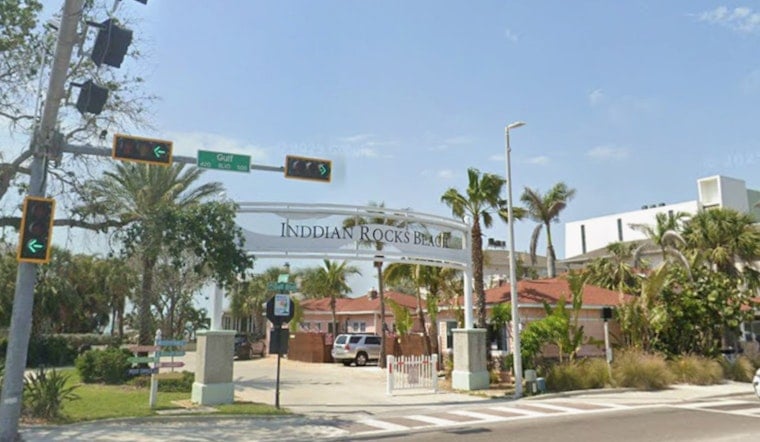
Indian Rocks Beach city commissioners have passed the first reading of an ordinance that would ban smoking and vaping on the beach, setting up a final vote next month that could bring fines of up to $500 for repeat offenders. The measure would extend a smoking ban that already applies in the city's public parks out onto the sand and dunes along the Gulf of Mexico.
The proposal, reported by 10 Tampa Bay, cites public health, litter reduction, wildlife and environmental protection, tourism, and aesthetics as the driving reasons behind the ban. The ordinance would require signage at beach entrances warning visitors of the new rule, and it follows a wave of similar bans already in place in neighboring Pinellas County cities. According to the station's report, beachgoers who repeatedly violate the ban could face fines up to $500.
Reaction on the sand has been mixed. One University of Tampa student told the outlet, “I hate getting the smell of smoke in my face…especially with the sea breeze,” adding that the odor can make it difficult to relax at the beach. Another beachgoer put it more bluntly, calling smoking “gross, invasive, and annoying” to the beach air, while a visitor said they simply come to the beach to relax. Not everyone is on board with lumping vaping in with smoking, however — one beachgoer argued that vaping individually with a vaping product should still be allowed.
A Statewide Shift That Started in 2022
Indian Rocks Beach is not acting alone. Before 2022, Florida law preempted all outdoor smoking regulation to the state, leaving cities and counties powerless to restrict smoking on public beaches and parks. That changed when the state legislature passed House Bill 105, amending Florida Statutes Section 386.209 to let municipalities and counties adopt their own smoking restrictions on public parks and beaches, according to the Florida Senate.
Since then, a string of Pinellas County beach towns have followed suit. St. Petersburg passed its beach smoking ordinance in October 2022, and Treasure Island enacted its own ban the following year, part of a trend documented by WUSF. Clearwater Beach has adopted similar restrictions as well. Pinellas County commissioners also began weighing bans for county-owned coastal properties like Fort De Soto Park, Sand Key Park, and Fred Howard Park back in September 2022. Hoodline has covered this trend before, including Gulfport's own beach ban debate last year.
Why Cigarette Filters, Not Cigars, Are the Target
The Indian Rocks Beach ordinance exempts unfiltered cigars, a carve-out required under state law. During the 2022 legislative debate over House Bill 105, lawmakers exempted unfiltered cigars because non-biodegradable plastic cigarette filters and vaping cartridges were identified as the primary environmental litter threat, while raw tobacco leaves decompose naturally, according to Florida Politics. That distinction has sparked confusion and criticism at city commission hearings across the state, since it means a lit cigar can be legal on the sand while a cigarette cannot.
The environmental stakes behind these ordinances are well documented. Cigarette butts have consistently ranked as the single most common item of marine debris collected during annual International Coastal Cleanups since 2000, with more than 20 million filters recovered globally since 2009, per data cited by the Okaloosa Board of County Commissioners. Locally, environmental organization Keep Pinellas Beautiful reported in 2022 that hundreds of cigarette butts are removed each month during beach cleanups in the county, with more than 80 percent of coastal marine litter originating on land.
What Happens Next
Indian Rocks Beach spans just 0.9 square miles on the barrier island of Sand Key, with 2.7 miles of Gulf shoreline and 26 public beach access points serving roughly 3,600 residents, according to the U.S. Census Bureau. That small footprint sees outsized traffic each year, as Pinellas County as a whole draws nearly 15 million visitors annually according to county data. Other Pinellas cities that have adopted beach smoking bans have typically paired the new rules with public outreach and educational signage before moving to code enforcement or fines, a pattern the ordinance's signage requirement appears to follow.
The proposed ban is set to come before Indian Rocks Beach city commissioners for a final vote on September 8. Until then, the ordinance remains only a first reading, and the details of enforcement — including how quickly fines might escalate toward the $500 cap for repeat violations — are still subject to change before the vote.





