

























































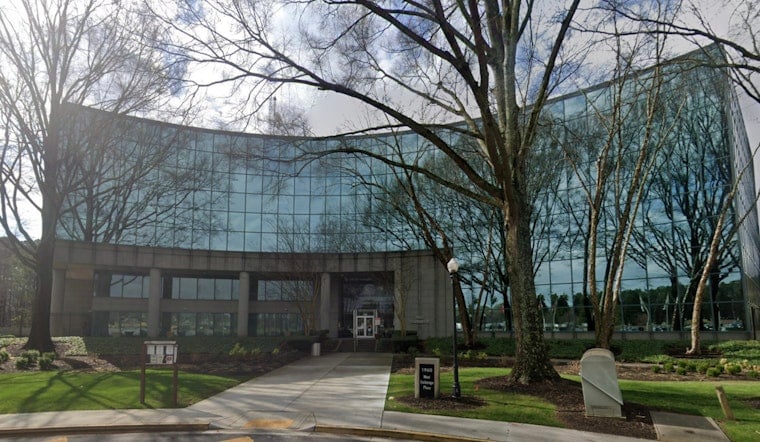
DeKalb County’s Real Time Crime Center is built around a simple pitch: spot trouble faster by pulling cameras, license-plate readers, drones and emergency information into one command operation. The more complicated question is just as local: how much of that system can watch residents, how long the data can linger, and who checks the people doing the searching.
The center opened in December, but a new AJC video is giving metro Atlanta viewers a fresh look at the $21 million surveillance hub. The 1:21 segment shows a network designed to track activity and speed up responses while asking how much choice residents have when public-space monitoring becomes the default.
Officials say analysts can watch live camera feeds and active 911 calls, track officers in the field, and deploy drones with thermal imaging for searches involving missing people or fleeing suspects. Atlanta News First reported that DeKalb had two drones operating when the center was unveiled, with plans to expand to four, alongside more than 500 county-connected cameras and access to more than 1,000 through Connect DeKalb.
What DeKalb Is Buying For The Price
The technology is not one giant camera wall so much as a stack of systems feeding a common operation. County purchasing records describe 308 new cameras, an expansion of an existing 183 license-plate-reader network, gunshot detection, artificial-intelligence analysis, Flock 911 access and two Drone First Responder units; the approved change order with Flock Safety was capped at $18,969,939.
The public price tag comes with a footnote. WSB-TV reported that the center itself cost about $2 million and that the county’s broader Flock contract totaled $18.9 million, with officials describing the overall investment as $21 million over six years. County records, however, describe the Flock change order as a 10-year scope, making it worth asking for a clearer public accounting of what is included in each number and when residents will pay it.
The Accountability Problem Arrived Early
The timing is awkward for a county selling faster, smarter policing. On July 17, former DeKalb County Sheriff’s Office Sgt. Kabiru Salawu was arrested and charged with felony violation of oath by a public officer and misdemeanor misuse of license-plate data after an internal investigation, according to The Atlanta Journal-Constitution.
The published account did not allege that Salawu misused the Real Time Crime Center itself, and the sheriff’s office technology is a separate piece of the county’s law-enforcement ecosystem. But the case illustrates the central risk of systems that turn routine travel into searchable information: the safeguards matter only if agencies regularly audit access and punish misuse.
Georgia Law Sets Guardrails, Not A Full Playbook
Georgia law allows law-enforcement agencies to collect automated license-plate data, but says it may be accessed only for a law-enforcement purpose and generally must be destroyed no later than 30 months after collection unless it is tied to an investigation or toll violation. The statute also permits sharing among law-enforcement agencies and exempts the captured data from public disclosure under the Open Records Act, as outlined in Georgia Code Section 35-1-22.
Those rules address license-plate records, but they do not answer every question raised by a multi-source center combining drones, private cameras, 911 information, gunshot detection and AI-generated alerts. Residents still need to know who can search the systems, what counts as a legitimate query, how often audits occur, and whether mistakes can be corrected.
Private Cameras Bring Another Layer
DeKalb’s Connect DeKalb program says registering a private camera does not give police automatic live access; officers receive a map of camera locations and must request footage from owners. The program says camera owners control access settings, can opt out, and that its AI tools do not use facial recognition, according to the program’s privacy FAQ.
That distinction is important, because “access to cameras” can mean anything from knowing where a doorbell camera sits to watching a live feed during an emergency. DeKalb’s own public-safety messaging promises prevention, speed and accountability, but the last word belongs to the accountability part: whether the county can prove the system is solving crimes without quietly becoming a record of everyone’s movements.





