

























































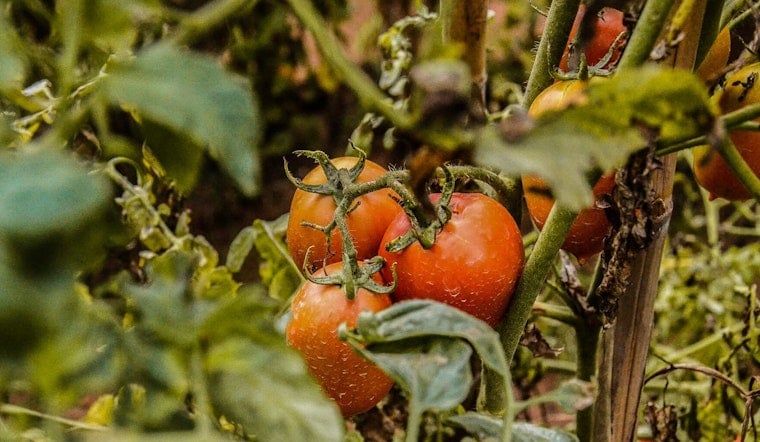
Jacksonville residents are asking City Hall to make neighborhood food growing easier, backing a proposed Free to Garden Act as a summer Cyclospora surge sends fresh produce and food access into the same conversation. The proposal would not be a magic anti-parasite shield; it is primarily a zoning measure aimed at whether gardens can operate, share food and use vacant lots. The bigger question is whether Jacksonville wants more red tape around local food production — or more gardens.
Residents spoke during Tuesday’s City Council meeting in favor of legislation that would let people grow food and share, exchange or distribute it with fewer local restrictions, according to News4JAX. Roxy McCloud of Common Ground Garden said community gardens can build neighborhood stability, while Curtis White pointed to public health, youth education and access to free produce. James Weston connected the campaign to the recent parasite news and called for turning unused land into productive community spaces.
A Proposal Aimed At Vacant Lots And Community Gardens
The Free to Garden Act is still a proposal, not an enacted Jacksonville ordinance. Its supporters say it would make community gardens, market gardens and similar small-scale urban agriculture permissible by right, while allowing limited farmstands, on-site sales, raised beds, greenhouses, wash-and-pack areas and educational programming, according to the campaign’s proposal.
The draft also envisions rules for hours, noise, lighting, odors, composting, structure size and neighborhood compatibility. In other words, supporters are pitching a clearer path to urban agriculture rather than a total free-for-all, with the goal of moving gardens out of what they describe as a legal gray area.
Florida Already Protects Backyard Vegetable Gardens
Florida law already gives homeowners significant protection for residential vegetable gardens. Under Florida Statute 604.71, counties, cities and other local governments generally may not regulate vegetable gardens on residential property, and conflicting local rules are considered void and unenforceable, according to the Florida Senate.
That statute defines a vegetable garden as a plot where herbs, fruits, flowers or vegetables are cultivated for human ingestion, while preserving general rules involving water use, fertilizer and invasive species. The distinction matters: a backyard garden is one thing, while a vacant-lot community garden, market garden or food-growing business can raise separate zoning questions.
Jacksonville Growers Say The Rules Remain Murky
That gap has already produced a local fight. Jacksonville Today reported that urban farmer Nathan Ballentine received three city citations while seeking approval for a third farm, though the citations were later dropped and the farm received a Certificate of Use in June.
Ballentine and other growers say Jacksonville still lacks clear, ordinary rules for community gardens, leaving residents to navigate certificates, zoning changes or other approvals before they can grow food for neighbors. The proposed act is designed to address that middle ground between a personal backyard plot and a large commercial farm.
The Outbreak Connection Is Real But Limited
Florida’s Cyclospora numbers have climbed sharply this summer. A July 31 report from News4JAX said the state had 264 reported cases across 37 counties as of July 25, including six in Duval County, while health officials continued investigating the source.
Separately, the FDA says a multistate Cyclospora investigation involving recalled iceberg lettuce had reached 1,947 illnesses in nine states and 98 hospitalizations as of July 24. That federal cluster was tied to shredded iceberg lettuce sourced from central Mexico, but neither the local Jacksonville garden campaign nor the Florida case count establishes that home or community gardens caused the illnesses.
Food Access Is Driving The Broader Debate
Jacksonville’s own health data shows why residents are linking gardening to public health: about 34% of the city’s population lives within a half-mile of a fast-food location, compared with 27.6% within a half-mile of a healthy-food source, according to the City of Jacksonville. The debate also arrives as the city works on a broader State of the Food plan examining how food is grown, distributed, accessed and priced, a push previously covered by Hoodline.
For now, there is no bill before the Council. Any formal measure would need a sponsor, committee review and eventually a vote by the full body, according to the Jacksonville City Council. Until then, the Free to Garden Act remains an organizing campaign — one that has found extra urgency in a year when Jacksonville residents are thinking harder about where their food comes from and who gets to grow it.




