

























































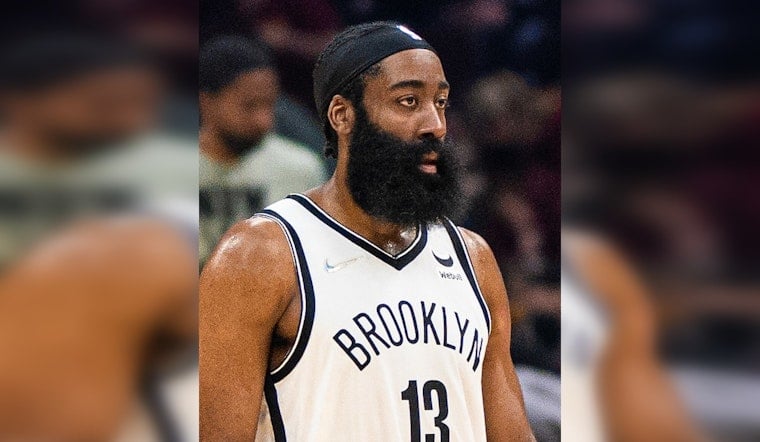
A decade-old Houston nightclub assault case involving James Harden is back in the spotlight after a deposition from the former NBA MVP surfaced online Monday, with Harden repeatedly denying he had anything to do with the beating of Moses Malone Jr. The testimony does not reopen the lawsuit, which was resolved in Harden’s favor years ago, but it puts fresh detail around the club, Harden’s security circle and the Facebook post at the center of the dispute.
As reported by HotNewHipHop, Harden said under oath that he had never met, spoken with or communicated with Malone Jr. before the alleged attack. He also denied sending threatening messages or directing anyone to confront Malone after Malone criticized the $249 registration fee for Harden’s youth basketball camp on Facebook. Attorneys questioned Harden about his ties to Houston club V Live, promoter Shari “Molo” Malawi, his security personnel and how often he visited the venue.
The 2016 Attack Started With A Facebook Post
The underlying dispute began in Houston on June 25, 2016, when Malone Jr. said he was beaten and robbed outside V Live by a group of men, some of them armed. The NBA’s account of the original lawsuit said lawyers alleged the attack followed a Facebook post criticizing the price of Harden’s youth basketball camp, while Harden had not faced criminal charges in connection with the incident.
The Civil Complaint Raised Bigger Claims
Malone Jr. later amended his lawsuit to name Harden, alleging that the basketball star ordered the attack through V Live security guard Darian Blount. The complaint also claimed Harden paid Blount roughly $20,000 to arrange the assault, allegations that Harden has consistently denied, according to ESPN. Four men connected to the attack were charged with aggravated robbery with a deadly weapon, but Harden was never criminally charged.
The Appeals Court Focused On Evidence
The legal outcome was narrower than the revived online discussion suggests. In an opinion issued March 17, 2022, the Texas First Court of Appeals affirmed a no-evidence summary judgment for Harden, ruling that Malone had not produced evidence of an essential element of civil conspiracy: a meeting of the minds showing Harden knew of or approved Blount’s actions. The ruling addressed Harden’s alleged civil liability; it did not dispute that Malone was assaulted or turn the civil case into a criminal prosecution.
That distinction is why the resurfaced deposition matters mostly as context, not as a new legal development. HotNewHipHop reports that Harden’s testimony largely consists of denials that he knew about a planned attack, heard threats against Malone or directed anyone to confront him. Nothing in the current report indicates that the old lawsuit has been reopened or that new criminal charges have been filed.





.jpg)