

























































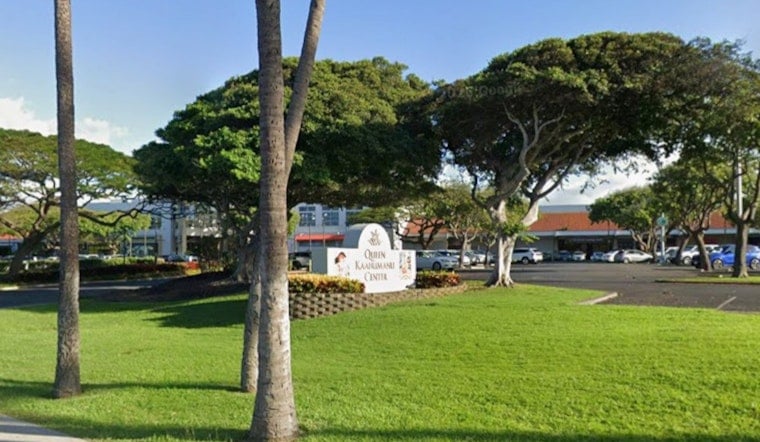
Four animated short films built from the memories of nine Lahaina storytellers will be unveiled on August 27 at Queen Kaʻahumanu Center in Kahului, giving West Maui families a new way to preserve what the 2023 wildfires destroyed. The films, collectively called the “Perfect Days” collection, capture family traditions and community relationships shared by residents who lived through the disaster, and the traveling installation has been extended through September at the mall.
The project traces back to Hui Moʻolelo: Lahaina, a community storytelling initiative that emerged in direct response to the August 8, 2023 wildfires, which killed at least 102 people and destroyed more than 2,200 structures, according to NASA Earthdata. As reported by Maui Now, the initiative was developed with help from the Lahaina Restoration Foundation and was designed to address the mental health and wellness impacts of the fires as much as to record history. Maui Public Art Corps is collaborating with Maui County's public art program on the effort, which uses culturally grounded, trauma-informed storytelling to gather the accounts.
From Oral Histories to Animated Mosaics
Brooklyn animator Richard O'Connor, who leads Ace & Son Moving Picture Co. out of a 19th-century stable and has previously partnered with Maui Public Art Corps on oral history projects in Kahului and Lānaʻi, created the “Perfect Days” collection as what the same Maui Now report describes as a moving mosaic of Lahaina built from contributions by families, neighbors, and experts. “Visualizing moments from their lives has been a community endeavor,” O'Connor said, per the outlet's account. Community consultants supported the project's cultural, environmental, and place-based accuracy throughout production, with Isaac Bancaco ensuring visual accuracy in how Lahaina's landscape appears on screen and Sissy Lake-Farm guiding the integration of ʻōlelo noʻeau and Hawaiian knowledge systems.
Hydrologist Chris Shuler connected the storytellers' accounts to the watershed systems that extend from the mountains to the sea and sustain the community, noting how land actions ripple outward to affect the health of Lahaina's reefs. “Science and art are both vehicles for storytelling,” Shuler said, according to the article. Kaliko Storer supported the cohort's focus on how community values and behaviors will shape Lahaina's future, part of a broader effort to root the animated shorts in more than just memory — they're meant to inform how the town rebuilds.
A Mural That Disappears to Reveal Healing
Alongside the film series, artist Jana Ireijo will lead an artist-in-residence program during August and September, creating a large ulua mural at the Lahaina Think Space. Her “Reverse Vanishing Mural” technique layers an ephemeral chalk-and-pastel wave over a permanent painted base, and visitors will physically wipe away the chalk to reveal a 92-pound ulua fish underneath — a process organizers describe as a metaphor for gradual healing, according to Maui Nui Strong. The mural draws directly from Louis Garcia III's story about catching the 92-pound ulua off Wahikuli Beach, one of the personal accounts gathered through the storytelling initiative.
The Lahaina Think Space will host the films on individual screens with dedicated headphones, letting visitors experience each storyteller's account privately rather than as a group screening. Organizers have scheduled additional installation hours from 3 p.m. to 7 p.m. Thursdays through Mondays between August 27 and September 7, on top of the exhibit's regular public hours in Kahului on Tuesdays, Wednesdays, and Thursdays from 10 a.m. to 3 p.m. through September 10.
Building on a String of Maui Exhibits
The Kaʻahumanu Center installation follows a sequence of earlier public showings. Maui Public Art Corps and the Lahaina Restoration Foundation first installed a physical Hui Moʻolelo: Lāhainā exhibition at the Lahaina Cannery on September 30, 2025, before the mall — Maui's largest, with more than 100 stores since it opened in 1972 — hosted a separate Hui Moʻolelo: Kahului exhibition from November 2025 through May 2026, per Maui Public Art Corps. The Lahaina storytelling exhibit later expanded into that same Kahului venue, connecting Central Maui's town square to West Maui's recovery.
Story gatherers involved in the project were trained in psychological first aid and ethical, trauma-informed story-gathering practices to make sure that recording accounts of grief and memory did not re-traumatize participants. That training reflects a broader wave of philanthropic investment in mental health recovery across the island: the Hawaiʻi Community Foundation's Maui Strong Fund had raised more than $209 million from 240,000 donors as of August 2025 and distributed $140 million to local organizations, including $6.1 million earmarked specifically for trauma-informed care and counseling, according to the Maui News. The Maui Recovery Funders Collaborative, which includes the Maui Strong Fund and Maui United Way, provides additional support for the storytelling program.
Next Stop: New York University
In September, Maui Public Art Corps will take the Lahaina Think Space to New York University as part of a public program exploring community memorialization, timed to coincide with the 25-year anniversary of the September 11 attacks. The trip places Lahaina's grief and resilience alongside national conversations about how communities memorialize disaster, extending the reach of an initiative that began as a hyper-local effort to keep neighbors' stories from being lost. Separately, in March, Maui Public Art Corps and the County of Maui launched a $1.5 million initiative called Echoes of the Land: A Call for Narrative Playscapes alongside their annual Hui Moʻolelo artist call, signaling continued public investment in story-driven civic art across the county.
The oral histories underpinning the animated shorts are permanently archived with StoryCorps at the American Folklife Center of the Library of Congress in Washington, D.C., ensuring the recordings outlast the exhibits themselves. For now, though, the films remain rooted in Kahului, where organizers say the initiative continues to create opportunities for residents to share memories, grief, knowledge, and hopes for the future.





