

























































A Louisville e-bike crash and the arrest that followed are now at the center of a federal lawsuit challenging whether police treated a bicycle ride like a motor-vehicle traffic stop. The case raises an unusually basic question with potentially broad consequences: when does a person on an electric bike have to produce a driver’s license, registration and proof of insurance?
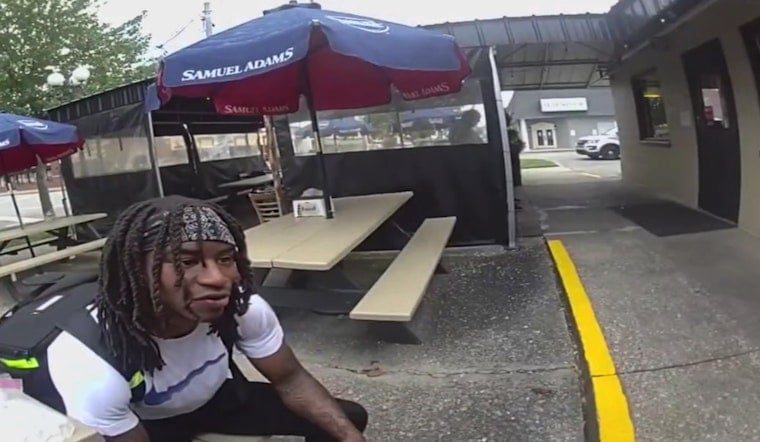
According to WDRB, Crisincio Franks was involved in a collision with an SUV while riding an electric bicycle, and body-camera footage shows the police encounter that followed. Franks has now sued Louisville Metro Police Officer Paul Fenwick, arguing that he was not operating a motor vehicle and that the encounter was not legally a traffic stop.
The federal complaint was filed May 29 in the Western District of Kentucky, according to the federal docket listing. The lawsuit names Fenwick as the defendant, while its allegations challenge the basis for the stop and the subsequent arrest.
The Dispute Turns On What Counts As A Motor Vehicle
Kentucky law generally requires drivers of motor vehicles to provide a valid operator’s license, vehicle registration information and proof of insurance when law enforcement requests those documents during a traffic stop. The WDRB report notes that Franks’ lawsuit disputes whether those requirements applied to him because he was riding an e-bike rather than driving a conventional motor vehicle.
That distinction is not just semantic courtroom fencing. If a judge agrees that the encounter was not a traffic stop, Franks’ lawyers could argue that the officer lacked the legal basis to demand documents associated with operating a registered and insured vehicle; if the court views the e-bike and circumstances differently, the defense could argue that the officer acted within Kentucky law.
Body-Camera Footage Is Central To The Case
The footage gives the lawsuit a visual record of the crash response and arrest, rather than leaving the court with only competing written accounts. Louisville Metro Police policy says officers must use body-worn cameras during law-enforcement encounters, including stops, arrests, pursuits, collisions and use-of-force incidents, according to the department’s body-camera policy.
Still, video does not decide the legal question by itself. A judge will likely have to examine what happened before the recording, how Fenwick characterized the encounter, what instructions Franks received and whether the officer had reasonable grounds for the detention and arrest.
What Happens Next
The lawsuit remains an allegation, and no court has ruled that Fenwick or LMPD violated Franks’ rights. The case could produce motions over the legality of the stop, the classification of the e-bike and whether the officer is protected by qualified immunity.
For Louisville riders, the dispute lands amid growing use of electric bikes and other small electric vehicles that do not fit neatly into old traffic categories. The court’s eventual ruling may help clarify where Kentucky’s ordinary traffic-stop rules end—and where an e-bike rider’s rights begin.





