
























































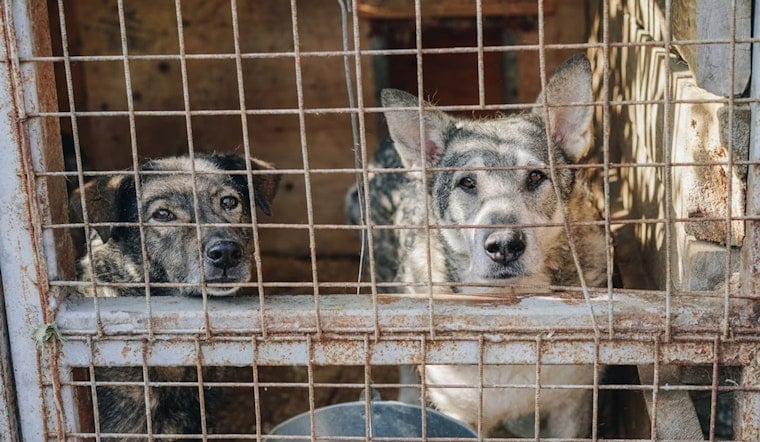
Louisville Metro Animal Services is already over maximum capacity after taking in more than 30 dogs and puppies from a single home on Monday, and the agency is now scrambling to find foster homes before kennels run out of room. The shelter, which already had more than 1,100 animals in its care, did not disclose the location of the removal.
“We are full, full, full, full and taking in over 30 dogs from one house puts us in a really, really, really rough situation,” a spokesperson named Stephanie told WLKY. The agency described the pet removal situation as pretty rough, according to the same report, and is urging anyone who can foster to contact the organization as soon as possible. LMAS has a contact number, 502-473-PETS (7387), and provides a foster-care application for residents ready to step in.
A Shelter Already Stretched Thin
The math behind the crisis is stark. The Louisville Metro Animal Services campus on Newburg Road, home to the 33,000-square-foot Harshaw Family Foundation Animal Shelter, has a physical capacity of just 150 dog kennels and 83 cat kennels, according to Friends of Metro Animal Services. An influx of more than 30 dogs from one home at once eats deeply into that already-limited space.
LMAS recorded 9,845 total animal intakes in 2025, per Friends of Metro Animal Services data. LMAS is an open-intake municipal shelter serving Jefferson County.
Live-Release Rate Holds, But History Shows the Risk
Despite the growing volume of animals coming through its doors, LMAS achieved a 93.99% live-release rate in 2025, completing 4,059 adoptions, returning 1,494 pets to owners, and sending 1,275 animals to partner rescues, the nonprofit's data shows. Adoption fees are routinely waived through the Pay It Forward Free Adoptions Program, which is funded by Friends of Metro Animal Services.
In 2023, extreme overcrowding forced LMAS to temporarily lose its six-year streak of avoiding euthanasia for time and space constraints once kennels reached critical capacity, according to WHAS-TV. The report attributed the record-breaking intake to inflation and said some people could not afford pet food or care.
According to Louisville Metro government, LMAS reached maximum capacity on 15 Sept 2022 after taking in 330 stray cats and dogs, even as its live-release rate increased to 94.99%.
Regional Partners and New Rules Aim to Ease the Strain
Regional organizations are also absorbing overflow. The Kentucky Humane Society places more than 3,000 animals into temporary volunteer foster homes annually, with assignments typically running from several days to a few weeks, according to the organization. LMAS is also seeking foster homes directly and is urging anyone able to help to reach out as quickly as possible.
Louisville Metro Animal Services reported that in 2022 it relied on foster homes more than ever to reduce shelter overcrowding and avoid euthanasia of adoptable pets, sending more than 1,200 shelter animals to foster homes.
The supplied sources do not establish the details of Louisville Metro Council's rules concerning microchipping and licensing. LMAS has reported that some microchipped dogs and cats already at the shelter remain there because owner contact information on file is incorrect or outdated. The agency has urged people to microchip their pets properly so that lost or removed animals can be reunited with their owners quickly.
The supplied sources do not establish the details of Section 91.040 or its rules for dogs kept outdoors on residential lots. LMAS has also urged residents to spay and neuter their pets, to keep animals safely secured in a fenced-in yard, and has advised those who cannot afford spaying or neutering to discuss options with the agency directly.
Leadership Response
The supplied sources do not identify LMAS's director or provide an employment history for its leadership. The shelter's current capacity strain arrives as LMAS manages its 2025 intake total alongside its stated kennel capacity.





