

























































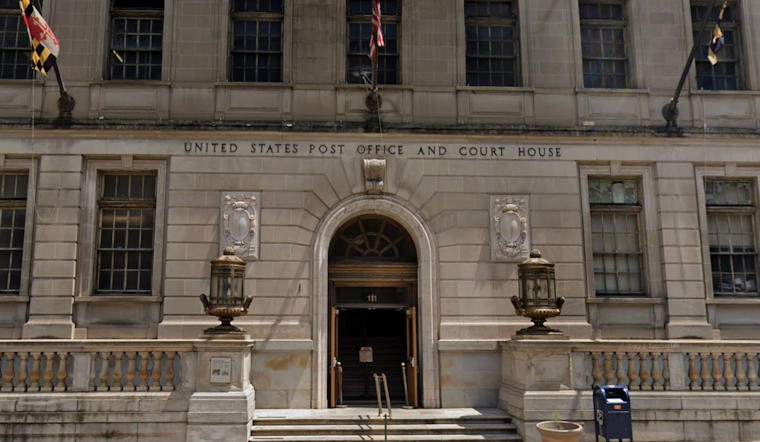
Maryland Attorney General Anthony G. Brown announced a lawsuit in Baltimore against UnitedHealthcare and its subsidiary Optum, accusing the companies of providing a defective computer system to the state's Medicaid behavioral health program that left it offline for eight months in 2020. The suit seeks up to $380 million in damages, tied to a state contract that has haunted Maryland's mental health and substance use treatment system for years.
Filed in Baltimore City Circuit Court, the lawsuit alleges violations of the Maryland False Claims Act, breach of contract, and intentional misrepresentation, according to WMAR-2 News. As reported by CBS News, the case centers on Optum's decision to swap out its proprietary claims software shortly before launch for an inadequately tested platform called Incedo, built by subcontractor InfoMC, which crashed on its very first day of operation in January 2020. Maryland had contracted with Optum in 2019 to manage the state's behavioral services program, and the company continued running it through 2024.
A System That Never Really Worked
Per the state's release, the computer system functioned improperly from the start, failing to provide receipts to large-scale providers such as hospitals, paying incorrect amounts to providers, and denying legitimate claims. Brown said Optum provided a defective system that failed Marylanders and providers for years, and his office says large-scale providers struggled just to keep their businesses running while the state's behavioral health infrastructure buckled underneath them. Maryland's Medicaid behavioral health program serves more than 1.5 million enrollees and uninsured residents statewide, according to a statement from the Maryland Office of the Attorney General, meaning the fallout from a single failed vendor system rippled across the entire state's mental health and substance use treatment network.
Marylanders in crisis and the providers who treat them rely on this system for essential care, and the state says the computer system's failures cost taxpayers tens of millions of dollars. The state release also alleges the system failed to block multi-million-dollar fraud in substance abuse treatment and laboratory urine testing, a gap that opened the door for bad actors to exploit an already broken claims pipeline.
Emergency Payments and Years of Fallout
To keep providers afloat while Optum's billing system sat offline, the Maryland Department of Health disbursed over $1 billion in estimated payments based on 2019 billing levels, a stopgap that the same review from PDG Rehabilitation Services says triggered multi-year accounting discrepancies across the state. Those emergency payments set the stage for years of confusion over who owed what to whom. An October 2022 audit by the Maryland Department of Legislative Services found that a lack of state oversight of Optum led to more than $223 million in estimated overpayments to behavioral health providers, alongside extensive underpayments and uncollected claims, the same audit reported by the Washington Post shows.
That audit also revealed that Maryland health officials chose not to assess roughly $20.5 million in allowable contractual performance penalties against Optum, out of fear that doing so might trigger litigation or further degrade the vendor's already shaky performance. The financial strain from later state clawbacks of those 2020 estimated payments hit local providers hard. In December 2024, Baltimore minority-owned clinic Healthcare Living for Families filed an emergency motion after state collectors withheld 100 percent of its federal vendor payments, according to a report from Justly Prudent.
Warning Signs Ignored Before Launch
Federal court documents citing state audits indicate Maryland failed to properly vet subcontractor InfoMC before the 2020 launch, despite the company's documented history of claims processing failures in states including Ohio, California, and Washington. That history raises questions about whether the crash was foreseeable well before the system ever went live. Maryland ultimately cut ties with Optum after the company declined to bid on a replacement contract; in February 2024, the state awarded a five-year, $340 million contract to Elevance Health's Carelon Behavioral Health, with Governor Wes Moore saying at the time that Optum “has just failed to deliver,” according to Becker's Hospital Review.
What the Lawsuit Seeks Now
Under the Maryland False Claims Act, enacted in 2015, the state can recover treble damages and civil penalties of up to $10,000 per false claim from contractors that knowingly present fraudulent or false statements to state programs, a mechanism explained by legal analysis from JGL Law. Brown's lawsuit alleges Optum violated that law, and his office says it will work to hold UnitedHealthcare and Optum accountable and recover money owed to Maryland taxpayers. The Maryland Attorney General's office has pursued other Medicaid fraud cases in the behavioral health system in recent years, including the December 2025 sentencing in a $3.6 million fraud case tied to the same program.
This is not the first time UnitedHealthcare's dealings with Maryland's health system have drawn scrutiny. Hoodline previously reported on the fallout when Johns Hopkins went out-of-network with UnitedHealthcare, and on a state legislative push to protect patients after that split. The new lawsuit adds a financial and legal dimension to that ongoing pattern, with state officials now seeking to claw back hundreds of millions of dollars through the courts rather than through contract penalties they once declined to impose.





