

























































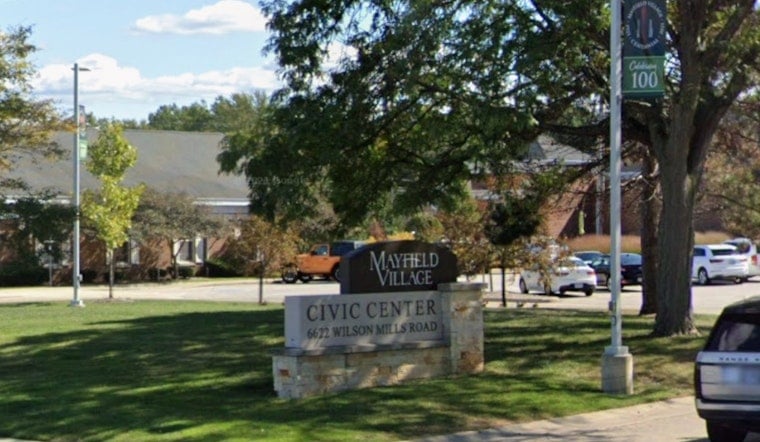
Mayfield Village homeowners are about to see their sanitary sewer maintenance bill double, as the village council voted to raise the per-foot assessment from $2 back to $4, restoring the fee to its pre-pandemic level. For a property with the village's average 100 feet of frontage, that works out to roughly $400 a year, or about $33.33 a month, up from roughly $200 annually under the reduced rate.
The council had lowered the fee from $4 to $2 per foot back in 2021, but rising operating expenses tied to the village's sewer maintenance fund are outpacing revenue, according to Cleveland.com, which first reported the increase. The fund brought in just over $300,000 a year at the current $2-per-foot rate, according to the outlet's report, but is expected to grow to more than $1 million during 2026 once the new assessment takes effect.
Why the Fund Needs More Money
Mayfield Village Finance Director Diane Wolgamuth sent a memorandum to village council on May 1 explaining the need for the increase, reporting that it followed meetings between village representatives and leadership at the Cuyahoga County Department of Public Works, per the same Cleveland.com account. Operating expenses are expected to rise in 2026 and continue outpacing revenues, the report notes.
The maintenance fund's revenue history shows the squeeze: it collected $306,763 in 2021, $323,902 in 2022, and $306,725 in 2025, according to the outlet's figures. By contrast, Mayfield had put an estimated $620,000 per year into the fund from 2017 through 2020, before the 2021 rate cut. As of December 31, 2025, the fund's balance stood at $704,903, the report states.
The village has contracted with Cuyahoga County and its Department of Public Works for more than 40 years to maintain sanitary sewers in the public right-of-way and to operate its five pump stations, according to Mayfield Village. The county division handling that work, created in 1919 and folded into public works in 2012, operates out of the Harvard Avenue Maintenance Yard in Newburgh Heights and maintains sewer agreements with 41 county communities, according to the Cuyahoga County Department of Public Works. Mayfield's maintenance fund covers those pump stations, sanitary sewer lines within the village right-of-way, engineering and inspection services for construction activity, and the county's annual overhead expenses shared across all 41 partner communities.
A Shift Away From Preventative House Calls
Compounding the cost pressure is a policy change the county made in May 2025: the Department of Public Works stopped responding to resident calls requesting preventative maintenance, instead reserving its crews for main-line blockages and system-wide cleanings that now happen every five years instead of every three, per Cleveland.com's reporting. Going forward, Mayfield will tell residents who call for preventative maintenance to contact a private plumber, while the village's own service department will forward blockage or slow-drain calls to the county for clearing and will monitor calls and their causes to advise property owners when repairs or changes in practice are needed.
The financial logic behind that shift is stark. Preventative maintenance calls cost an average of $890 and take roughly 2.7 hours to complete, according to the outlet's figures. If every property owner in the village requested that service, the report states, it would cost more than $1.1 million — more than the entire maintenance fund is expected to bring in even under the new, higher fee.
Residents facing private-side drainage issues do have one financial cushion. Under Mayfield Village Codified Ordinance Section 1130.11, property owners who install backflow prevention devices or reconfigure plumbing to eliminate sewer surcharges can seek municipal reimbursement covering up to 100% of labor and materials, capped at $1,500, according to the village. Any private plumber tapping into the public sewer main, however, still needs a permit from the county's Division of Sanitary Engineering and must be a county-registered contractor, per the Cuyahoga County Department of Public Works.
Part of a Wider County Cost Squeeze
Mayfield is not alone in renegotiating how it pays for sewer upkeep. Middleburg Heights advanced a $1.49 million sewer maintenance agreement with the county in August, and Berea approved a separate $975,000 agreement, according to Citizen Portal, reflecting rising operational costs across full-service county sewer contracts. Fee structures also vary widely by community: Shaker Heights phased in a fixed monthly sewer fee that reached $11.50 per month, or $138 a year, in 2026, alongside a variable usage charge, according to the City of Shaker Heights — a flat-rate model that contrasts with Mayfield's frontage-based assessment.
Mayfield property owners are also facing increases on a separate bill. The Northeast Ohio Regional Sewer District adopted a 2027–2031 rate schedule in July, raising wastewater treatment rates by 2% annually and stormwater fees by 3.5% to 4% annually, as Hoodline reported in its earlier look at regional sewer hikes. That regional treatment charge is separate from both Mayfield's local maintenance fee and the water bill residents get from Cleveland Water, which set a monthly residential fixed charge of $9.90 in 2026 for standard meters on top of consumption charges. Between the three separate bills, Mayfield property owners are contending with rising costs on multiple fronts at once.





