

























































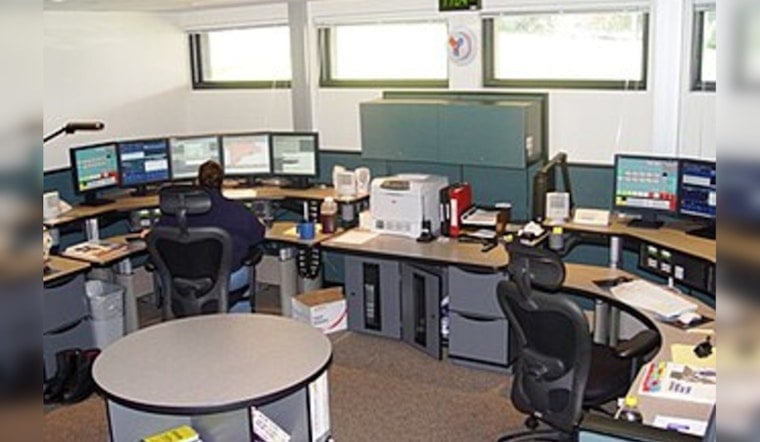
Memphis 911 dispatchers now have a fourth button to push. Callers experiencing an emotional crisis, a substance use struggle, or simply needing someone to talk to can be routed directly to trained mental health professionals who are available 24 hours a day, seven days a week, rather than automatically triggering a police, fire, or EMS response.
The change, first reported by Action News 5, gives Memphis residents a dedicated path to crisis counselors who can help de-escalate a situation, offer support, and connect callers with local resources. Memphis Police Chief C.J. Davis said the new option ensures the proper resources are dispatched to each emergency, according to the station's report.
Davis added that the option sends the right people with the right support and cuts down on response times, per the same account. The addition comes as Memphis continues to grapple with the risks of sending armed officers to mental health calls, a tension that has defined the city's crisis response system for decades.
A City With a Complicated History on Crisis Response
Memphis is not new to this fight. In 1988, the Memphis Police Department created the nation's first Crisis Intervention Team model, later dubbed the Memphis Model, after public outcry over the 1987 fatal police shooting of a suicidal man who was holding a knife, according to the University of Memphis. That model became a national template for training officers to de-escalate rather than use force during behavioral health emergencies.
Nearly four decades later, the stakes of getting crisis response wrong remain painfully visible. In May, 25-year-old Jonah Neal was fatally shot inside his home by a federal agent with the Memphis Safe Task Force after his mother called 911 seeking help for his mental health breakdown, according to KGOU. That case has fueled local scrutiny of how mental health calls get routed and who ultimately responds.
Existing Diversion Programs Already Handle High Volume
The new 911 option builds on an already sizable local infrastructure for keeping people in mental health crisis out of jail. Alliance Healthcare Services operates Tennessee's largest pre-arrest diversion program, with local Crisis Intervention Team officers diverting more than 500 individuals per month to its Memphis Crisis Assessment Center instead of booking them, according to Alliance Healthcare Services.
Shelby County also introduced its SAFE Team, short for Shelby County-Alliance Field Evaluation, in summer 2023, pairing sheriff's deputies in the field directly with licensed mental health clinicians to handle high-volume crisis calls, per Shelby County Government records. Beyond the streets, the county runs a specialized Mental Health Court at 201 Poplar that diverts people whose criminal offenses stem from untreated mental illness into supervised community treatment rather than prison sentences, as reported by the Tri-State Defender.
The National Numbers Behind the Push
The push to route mental health calls away from armed officers is not unique to Memphis. Nationally, roughly 21 percent of people killed by law enforcement since 2015 had a known mental illness, according to the Center for Policing Equity. That figure underscores why cities have been working to build alternatives to default police dispatch for behavioral emergencies.
A landmark study published in Psychiatric Services found that 95 percent of mental health crisis calls in Memphis received a specialized Crisis Intervention Team response, resulting in a 2 percent arrest rate compared with 13 percent in cities lacking dedicated drop-off crisis centers. Statewide, Tennessee's 988 Suicide and Crisis Lifeline logged more than 60,000 phone calls and 36,000 text and chat messages in a single year, according to the Tennessee Department of Mental Health and Substance Abuse Services, showing sustained demand for phone-based crisis support outside the 911 system.
Federal Task Force Scrutiny Continues Alongside the New Option
The rollout of the new 911 option arrives even as federal involvement in Memphis policing draws its own scrutiny. The U.S. Department of Justice highlighted joint federal-local policing task force operations in Memphis in August as a blueprint for a $300 million Model Cities grant program, even amid local scrutiny following four task-force officer-involved fatalities, according to The Guardian.
Other Southern cities have tested similar models with mixed but measurable results. New Orleans reported that its mobile crisis unit answered 3,769 behavioral health calls in 2025 and diverted nearly 40 percent of them away from traditional police and EMS response, per earlier Hoodline reporting. Whether Memphis's new fourth 911 option produces similar diversion numbers, and whether it can meaningfully reduce fatal encounters during mental health crises, remains to be seen as the system rolls out.





