

























































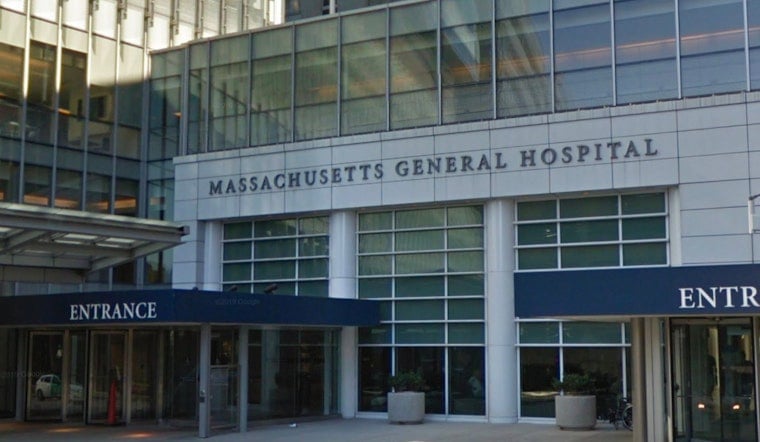
A mercury spill inside Massachusetts General Hospital sent hazmat crews rushing to the sprawling Boston medical campus Wednesday night after a patient came into contact with the toxic substance. The Boston Police Department's hazardous materials unit was called to the hospital at 55 Fruit Street shortly before 9 p.m. following reports of the spill, according to the department's dispatch information.
Boston Fire Department's Hazmat team ultimately took command of the scene and treated the patient who had been exposed, according to WHDH. CBS News also reported on the exposure and the large emergency response it triggered at the hospital, located in Boston's West End neighborhood. It remains unclear exactly how the spill occurred or whether the mercury was introduced from outside the facility, and the patient's precise condition after treatment has not been detailed publicly.
Hospital Says Operations Never Stopped
Despite the scale of the response, Mass General Brigham said in a statement relayed by Boston 25 News that hazmat personnel contained the spill and treated the patient while the hospital remained fully operational, with no disruption to medical care. Mass General Brigham is the founding healthcare network for MGH, one of New England's largest acute-care facilities.
The scale of that facility helps explain why any chemical release there draws an immediate, coordinated response. Massachusetts General Hospital operates 1,021 staffed beds and is verified as both a Level 1 Adult Trauma Center and a Level 1 Pediatric Trauma Center, according to American Hospital Directory data. A release of any size inside a hospital of that scale carries the risk of contaminating clinical spaces if it is not contained quickly.
Why Mercury Demands a Specialized Response
Elemental mercury is not something crews can simply mop up. Federal guidance from the Agency for Toxic Substances and Disease Registry warns that standard vacuuming or sweeping breaks liquid mercury into micro-droplets, which dramatically increases airborne vapor levels rather than reducing them, so specialized hazmat vapor monitors and containment tools are required instead.
That danger is also why the substance is tightly regulated. Under Environmental Protection Agency CERCLA rules, elemental mercury carries a federal Reportable Quantity threshold of just one pound, meaning even a small release is legally required to trigger immediate notification to the National Response Center. Separately, Occupational Safety and Health Administration hospital hazard standards require healthcare facilities to keep dedicated mercury spill kits on hand, since clinical tools like sphygmomanometers and lab equipment can break and release the metal.
The health stakes explain the urgency. Inhaled elemental mercury vapor is rapidly absorbed through the lungs into the bloodstream, up to 80 percent of it, according to a toxicological profile from the Iowa Department of Health and Human Services, where it can cross into the central nervous system and cause neurological impairment, respiratory irritation, and kidney damage. Liquid mercury readily volatilizes at room temperature into a gas that is both odorless and invisible, making it especially hazardous in an enclosed hospital environment.
A Broader Pattern of Chemical Emergencies
Exposures like this one are far from isolated nationally. America's Poison Centers' 2023 National Poison Data System Annual Report found that U.S. poison centers managed more than 2.08 million human exposure cases in a single year, with cases referred from healthcare facilities rising by 2.38 percent.
Massachusetts has seen its own recent chemical scares. Hoodline previously reported that 16 workers were hospitalized after a toxic chemical release at Precision Coating in Hudson earlier this month, an incident that also triggered a multi-town hazmat response. Together, the two events underscore how quickly hazardous chemical incidents, whether industrial or clinical, can force coordinated emergency action across multiple agencies.





-4.webp?w=160&h=400&fit=crop&crop=edges)