

























































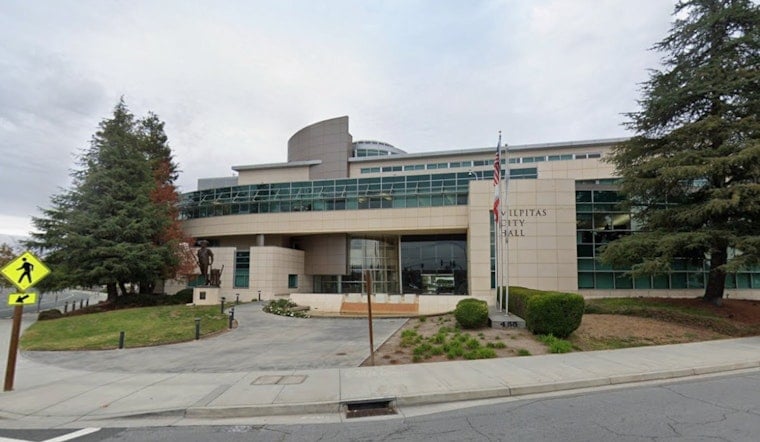
Milpitas City Council members voted unanimously last Monday to place a business tax overhaul on the November 2026 ballot, aiming to replace a 50-year-old tax structure that city officials say leaves some small businesses paying more than 70 times what large corporations pay per employee. The measure would not raise taxes on Milpitas residents, and applies only to businesses operating in the city.
According to The Milpitas Beat, the new structure would replace the current employee-based tax with a gross-receipts-based model. If the measure passes, all city businesses would pay an annual flat rate, and companies generating more than $700,000 in annual gross receipts would also pay an additional 25 to 35 cents per $1,000 of gross receipts, depending on business category. City officials say the goal is to ensure larger businesses contribute more to essential city services than smaller ones.
Milpitas City Manager Willie Hopkins said the measure followed a six-month engagement effort with business owners, stakeholders, and more than 700 residents. Hopkins said the city needs additional local funding to address illegal dumping, neighborhood blight, and homelessness. If enacted, all funds generated by the measure would go directly into Milpitas city services, with the city framing the effort as a way to maintain its current level of public service rather than expand it.
Where the Money Would Go
City officials plan to direct the new revenue toward fixing storm drains, replacing aging water and sewer lines, and prioritizing cleaner neighborhood streets and sidewalks. The funding is also intended to help move people off the street and into shelter, treatment, and supportive services, and to help bring more good-paying jobs into the local economy.
The financial pressure behind the measure traces back to a structural deficit that city officials have been managing for more than a year. The City of Milpitas's preliminary FY 2027–31 General Fund forecast, released in March 2026, showed a baseline structural deficit originally projected at $28.5 million in February 2025 had since been trimmed by $4.3 million through fiscal adjustments. That gap has pushed the council toward revenue modernization rather than relying solely on budget cuts.
A Tax Structure Frozen in Time
Milpitas currently collects only about $400,000 a year from its business license tax, according to the city's Proposed Operating Budget for Fiscal Year 2026–2027 — a modest sum for a city that hosts 550 manufacturing plants and eight industrial parks. That industrial base, a legacy of Ford Motors opening a plant there in 1955, causes the city's daytime population to roughly double to about 130,000 as commuters pour in, according to California Local. That daily surge adds strain to roads and storm drains that the current tax structure was never designed to fund.
The ballot measure arrives after Milpitas residents and businesses already absorbed a separate tax increase earlier this year. Effective April 1, the combined sales tax rate in Milpitas climbed from 9.375% to 10.000% following voter passage of Santa Clara County's Measure A in November 2025, per the California Department of Tax and Fee Administration. That followed Milpitas voters' 2024 approval of Measure J, which extended an existing 0.25% sales tax for eight years to maintain 911 response, police, fire, road repair, and homelessness services, according to Ballotpedia.
How Milpitas Compares Regionally
Milpitas already carries one of the higher municipal tax burdens in the region on another front: a June 2026 report by the City of Mountain View found Milpitas imposes a 14.00% transient occupancy tax on hotel stays, tying it with Los Altos and Oakland for the second-highest rate among major Bay Area cities, trailing only Palo Alto's 15.50%. City officials have pointed to strong public satisfaction as they pitch the new measure, citing outreach results showing 83% of surveyed Milpitas residents reported satisfaction with the city's overall quality of life.
Business tax reform has become a recurring theme across Santa Clara County. San Jose voters approved Measure H in November 2022 to raise that city's employee-based business tax to $45 per employee, while Cupertino voters rejected a tax measure proposal in 2024, according to Local News Matters. The mixed outcomes underscore that there's no guarantee Milpitas voters will embrace the new structure simply because the council approved it unanimously.
An Election-Year Backdrop
The measure will not appear on a quiet ballot. Nomination periods for Milpitas Mayor and City Council seats opened on July 31, setting up competitive municipal races that will share the November 3 ballot with the tax question. That timing means candidate positions on business taxation could become a central debate topic in the run-up to the election, as voters weigh both who will lead the city and how it will pay for aging infrastructure and homelessness response in the years ahead.



