

























































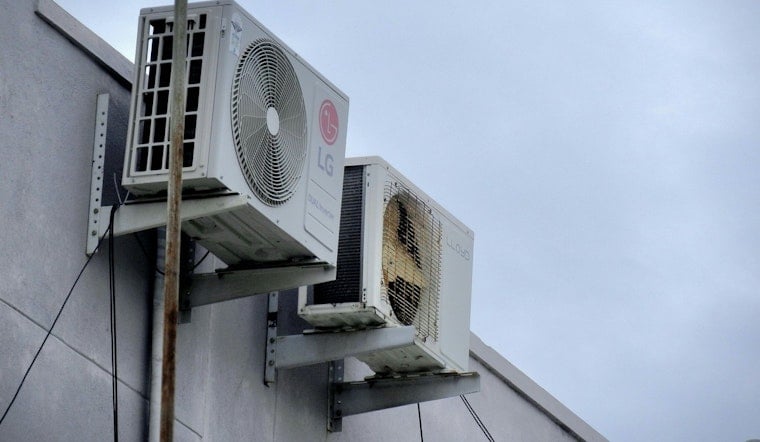
Air conditioning units are failing at several Nash County schools just as a punishing heat wave pushes the heat index across central North Carolina to between 105 and 110 degrees, forcing maintenance crews into round-the-clock repair work while families wait for relief. School leaders say they are aware of the problem and are moving as fast as they can to fix it, but for now, some classrooms remain uncomfortably warm.
Nash County Public Schools sent a message to families Wednesday acknowledging concerns about air conditioning problems affecting several schools across the district, according to a district notice reported by ABC11 News. The district said maintenance crews are actively diagnosing the issues and working to restore air conditioning as quickly as possible, with teams responding whenever a problem is reported at one of the district's buildings. School leaders emphasized that the health, safety, and well-being of students and staff remain their top priority.
The timing could hardly be worse. The National Weather Service in Raleigh issued hazardous weather outlooks for central North Carolina this week, including Nash County, predicting heat index values between 105 and 110 degrees. That heat is landing on top of an already brutal stretch: July 2026 was the state's 10th-warmest July on record dating back to 1895, according to the North Carolina State Climate Office, meaning school cooling systems had already absorbed weeks of thermal stress before the new outages began.
Crews Prioritize Repairs Building by Building
Maintenance teams serving schools and facilities across Nash County are prioritizing repairs based on the needs at each location, the district's message said, and crews are actively making repairs as reports come in. In the meantime, schools may adjust the use of classrooms and other spaces to try to keep students and staff comfortable, and school staff are monitoring temperatures and conditions inside affected buildings throughout the day. District officials said they will notify families directly if conditions at any school require changes to the normal school day or operations.
Community frustration over the cooling problems had already been building before the district's formal notice. Parents and community members had publicly reported acute failures at specific campuses, including broken air conditioning in the math building at Northern Nash High School, in posts on Facebook in late June. School leaders acknowledged those concerns from families and said they continue to monitor conditions at affected schools as repairs proceed.
A Regional Problem With Real Stakes for Learning
Nash County is not alone in grappling with aging HVAC systems under extreme heat. In neighboring Wake County, officials reported HVAC failures at Reedy Creek Middle School in May that pushed indoor classroom temperatures up to 84 degrees, according to a report shared on Facebook, underscoring how widespread the infrastructure strain has become across central North Carolina school districts.
The stakes go beyond comfort. Research published in the American Economic Journal: Economic Policy found that without air conditioning, every 1-degree increase in school-year temperature reduces annual student learning by 1 percent, with the effects falling hardest on low-income and minority students, according to the American Economic Association. Separate research synthesized by the Center for American Progress found that students taking standardized tests on 90-degree days are nearly 11 percent less likely to pass than those tested in 72-degree classrooms, with prolonged heat exposure also linked to lower long-term graduation rates.
Nash County Public Schools operates 24 traditional and specialized campuses serving more than 14,000 students across the county, including the city of Rocky Mount, according to Ballotpedia. The heat has strained more than school buildings this week: local station WITN reported that Rocky Mount residents and advocates have publicly questioned ongoing municipal utility disconnections during the high August temperatures, pointing to broader concerns about heat exposure across the community.
The AC troubles arrive just weeks after the district rolled out free meals for every student for the new school year, part of a broader set of operational changes as the 2026-2027 academic year gets underway. For now, district officials say school leaders remain committed to resolving the air conditioning issues as quickly as possible, even as the heat wave shows no immediate signs of breaking.


