

























































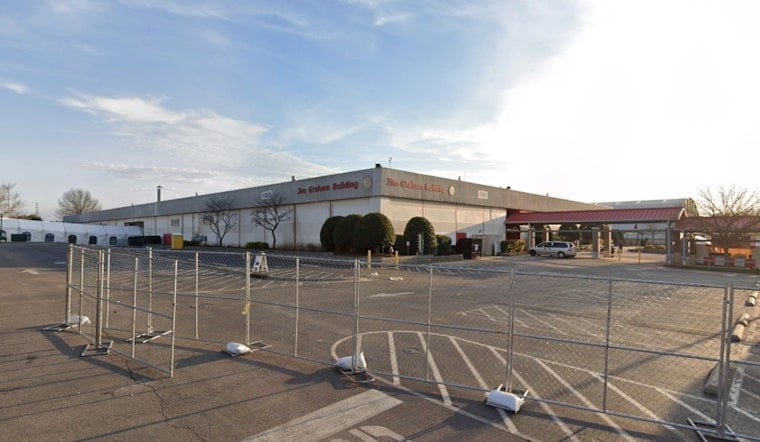
The North Carolina Vintage Bazaar returns to Raleigh this weekend for its 10th event, and organizers say it will be the largest gathering yet, packing the Jim Graham Building at the N.C. State Fairgrounds with more than 200 vintage vendors each day plus a live performance from 2000s rap star Soulja Boy. The two-day event runs Saturday and Sunday, offering racks of vintage clothing alongside rare collectibles for shoppers hunting for one-of-a-kind finds.
According to CBS 17, tickets to the bazaar start at $10, and Soulja Boy's performance is included with general admission. The rapper, who broke through in 2007 with his debut single “Crank That (Soulja Boy),” a track that spent seven weeks at No. 1 on the Billboard Hot 100 and became the first song in U.S. history to sell 3 million digital downloads, according to Wikipedia, will take the stage Sunday at the Jim Graham Building.
A Decade of Growth for Raleigh's Vintage Scene
The bazaar's evolution into a marquee weekend event reflects just how far it has come since launching. The market debuted in 2022 as a single-day gathering with roughly 90 vendors, according to historical context reported by The Carolinian Newspaper, before expanding into the multi-day convention format organizers now use to keep pace with vendor demand.
That growth has required serious real estate. The Jim Graham Building offers up to 100,000 square feet of climate-controlled exhibition space, according to PartySlate, making it the largest indoor facility on the fairgrounds' 300-acre campus and giving this weekend's 200-plus daily vendors room to spread out.
Following a Pattern of Nostalgia-Driven Programming
Pairing vintage shopping with recognizable names from pop culture's past isn't new for the bazaar's organizers. At the event's September 2025 gathering at the fairgrounds Expo Center, the market featured professional wrestling icons Matt and Jeff Hardy, who hosted a podcast taping and a live acoustic set alongside vendor appearances, according to visitRaleigh. Soulja Boy's booking this weekend follows that same playbook of blending secondhand shopping with headline entertainment.
Families planning a visit have a few logistical details to keep in mind. Children 12 and under get in free with a paying parent, free parking is available in fairgrounds Lots 5 and 9, and separate meet-and-greet tickets for Soulja Boy are sold apart from general admission, per event listings cited by visitRaleigh.
Part of a Booming National Resale Market
The bazaar's expansion mirrors a broader shift happening across the secondhand retail industry. The U.S. secondhand apparel market grew 13% in 2025, nearly four times faster than broader retail clothing sales, and is projected to reach $78.8 billion by 2030, according to industry data released by ThredUp.
That growth is being driven largely by younger shoppers. Gen Z and Millennials are expected to drive over 70% of total U.S. secondhand market growth through 2030, with 58% of Gen Z shoppers now prioritizing pre-owned items over new retail garments, per ThredUp's 2026 Resale Report cited by Retail Dive. Nearly half of secondhand shoppers, 46%, now discover vintage products through social media feeds, content creators, and in-person events rather than traditional online search, the same report found — a trend that helps explain why physical pop-ups like the bazaar keep drawing crowds even in a digital-first shopping era.
Raleigh's appetite for this kind of shopping isn't limited to one event. The Fall Back Vintage Market, another large secondhand pop-up, spans 30,000 square feet with nearly 60 vendors at Raleigh Iron Works, according to a listing shared by Triangle on the Cheap, underscoring how the Triangle has become a regional hub for vintage and thrift pop-ups.
Organizers and environmental advocates also point to sustainability benefits tied to buying secondhand. Recirculating pre-owned apparel back into wear has prevented an estimated 1.3 billion pounds of carbon emissions and saved 13.4 billion gallons of water to date compared to manufacturing new fast fashion, according to ThredUp's 2026 Impact Report cited by Markets Insider.




