

























































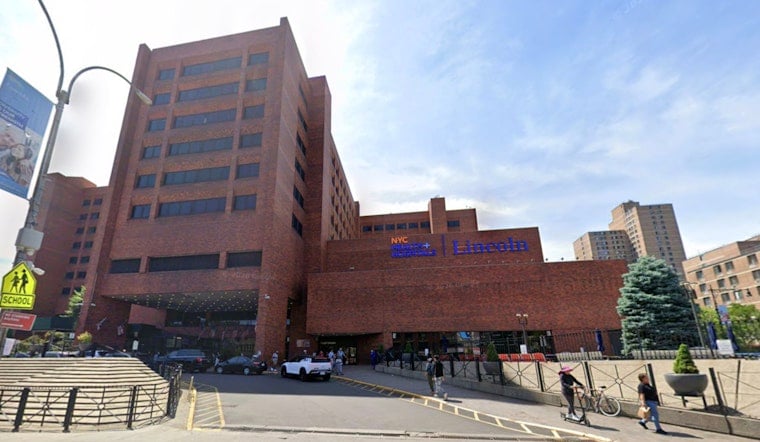
NYC Health + Hospitals/Lincoln in the South Bronx has opened a new cardiac catheterization lab, giving the Mott Haven hospital the ability to treat heart attack patients on-site instead of transferring them elsewhere for emergency procedures. Governor Kathy Hochul announced the addition, saying it will save lives and expand access to lifesaving care for New Yorkers in the Bronx.
Hochul, New York's 57th governor, posted about the new lab on social media, framing it as a direct boost for Bronx residents in need of urgent cardiac treatment, according to Governor Kathy Hochul. A cardiac catheterization lab relies on specialized fluoroscopic imaging equipment to give doctors a real-time view of heart chambers and coronary arteries, which allows interventional cardiologists to perform procedures like angioplasty and stenting to reopen blocked blood vessels during an active heart attack, according to WMCHealth. Before a hospital can build or expand that kind of suite, New York State Department of Health regulations require formal state review and approval, since the equipment is used for invasive procedures like emergency angioplasty.
Why the South Bronx Needed This
The new lab addresses a documented gap in cardiac care access in a part of the city where heart disease already kills at a higher rate than the state as a whole. CDC heart disease mortality data for adults 35 and older shows Bronx County recorded 347 deaths per 100,000 residents between 2021 and 2023, compared with a statewide average of 327 per 100,000, per the CDC. That gap underscores why quick access to interventional cardiology, rather than a transfer to another facility, can matter during an active heart attack.
Lincoln Hospital sits at 234 East 149th Street in Mott Haven, where it operates as an acute care teaching hospital with more than 300 beds and a Level 1 Trauma Center. Its emergency department handles roughly 144,000 to 150,000 patient visits a year, according to NYC Health + Hospitals. That volume, paired with the borough's elevated heart disease mortality, is part of why the hospital's cardiology department already carries recognized clinical credentials: Lincoln earned a High-Performing designation from U.S. News & World Report for its treatment of congestive heart failure, along with COPD and stroke management.
Part of a Broader Investment Push
The cardiac cath lab is not an isolated upgrade. It follows a $7 million New York City Council capital allocation secured in July to build a new Neonatal Intensive Care Unit at Lincoln, a project Hoodline covered in its report on the NICU funding. Together, the two projects point to a broader modernization effort underway at the Mott Haven facility.
The expansion also fits into a wider pattern across the public hospital system. NYC Health + Hospitals previously worked with $2 million in federal grant support secured by U.S. Senators Chuck Schumer and Kirsten Gillibrand for a cardiac cath lab project at NYC Health + Hospitals/Elmhurst, suggesting a coordinated push to bring interventional cardiology to public hospitals across multiple boroughs. NYC Health + Hospitals is the nation's largest municipal healthcare network, serving more than 1 million New Yorkers annually across 11 acute care facilities, five long-term care centers, and dozens of community clinics.
Leadership and a Long Institutional History
Lincoln has been led by Chief Executive Officer Christopher Roker since April 2021; Roker also serves as Chief Growth Officer for the broader public hospital system. The hospital's roots stretch back to 1839, when it was established in Manhattan as The Home for the Colored Aged. It was renamed The Colored Home and Hospital in 1882, relocated to the South Bronx in 1898, became Lincoln Hospital and Home in 1902, and was transferred to municipal oversight in 1925.
Lincoln has repeatedly turned up in Bronx emergency coverage in recent months, underscoring how central the hospital is to the borough's medical infrastructure. Hoodline has reported on patients transported there after a man was left unconscious following a fight and an NYPD car strike, after a Bronx baby was bitten overnight, and after a security guard was beaten and stabbed near a CityMD. The hospital's outreach also extends beyond its emergency room, including a mobile medical bus that has served the Third Avenue business district.





