

























































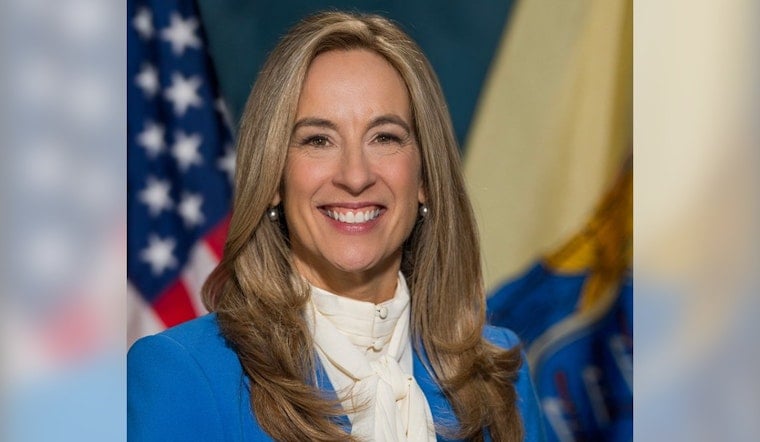
Blocking the entrance to an abortion clinic or a gender-affirming care facility in New Jersey is now a criminal offense, and patients or providers harassed at those doors can sue for at least $1,000 per violation. Gov. Mikie Sherrill signed the new shield law in Montclair, cementing protections that advocates spent nearly three years pushing through the Legislature.
The measure, S2260/A2218, makes intentionally harassing, physically blocking, or damaging property to interfere with reproductive or gender-affirming healthcare a fourth-degree crime carrying up to 18 months in prison and a $10,000 fine, according to WRNJ Radio. Penalties escalate sharply from there: a third-degree crime with three to five years in prison if the interference causes bodily injury, and up to 10 years in prison and a fine of up to $150,000 for violations involving injury. As reported by NJ.com, the law also authorizes criminal charges against anyone who interferes with people seeking or providing those services, and it specifically targets blocking clinic access and recording patients or providers within 100 feet of a facility. Police are authorized to break up protests and gatherings that block that access.
What Patients and Providers Can Now Do
Beyond criminal penalties, the law gives affected patients and healthcare providers the right to file civil lawsuits seeking statutory damages of at least $1,000 per violation, according to the state government. It also bars insurers from denying or limiting coverage of medical services involving abortion, gender transition and gender identity, and it prohibits state authorities from honoring out-of-state subpoenas or extradition requests tied to medical care that is legal in New Jersey.
Dr. Paris Ayala-Keighley said in a statement that the law sends a clear message that New Jersey stands by its doctors and protects reproductive and gender-affirming healthcare. NJ.com reports the shield law protects medical providers treating out-of-state patients from criminal or civil penalties pursued in other states, and insurers are now prohibited from denying or limiting coverage of medical services involving abortion, gender transition and gender identity.
Why New Jersey Moved Now
The push for state-level criminal penalties gained urgency after the federal Freedom of Access to Clinic Entrances Act was no longer being enforced under the Trump administration, according to The Philadelphia Inquirer. That federal law, intended to prevent violent blockades and intimidation at reproductive health facilities, left what advocates saw as an enforcement gap that New Jersey's new provisions were modeled to fill. According to CBS News, anti-abortion rights protesters from New Jersey lost a Supreme Court challenge to the federal law protecting access to abortion clinics on Apr 16, 2001. The U.S. Department of Justice said six defendants were convicted of felony conspiracy against rights and a Freedom of Access to Clinic Entrances Act offense on Jan 30, 2024.
Legislative findings incorporated into the bill addressed picketing and physical obstructions nationwide since the U.S. Supreme Court overturned Roe v. Wade in 2022, per the New Jersey Legislature. The broader debate also included violent incidents and threats directed at gender-affirming care facilities. New Jersey is one of nine states that does not restrict abortion, and its legally protected right to the procedure has drawn patients from well beyond its borders — some traveling long distances to reach a clinic while juggling childcare, time off work, and procedure costs. New Jersey has seen an influx of out-of-state patients seeking abortion care. The influx followed the 2022 Supreme Court decision.
A Coalition Years in the Making
The bill was signed following nearly three years of advocacy by a broad statewide coalition that included Garden State Equality, the Planned Parenthood Action Fund of New Jersey, and the Transgender Rights Coalition of New Jersey, according to Garden State Equality. Simone Kraus said the shield law ensures everyone who calls New Jersey home can live, heal and thrive safely and authentically. The measure was introduced nearly two years before June 2026, underwent multiple amendments, and finally passed both chambers on June 30, 2026 — the Assembly by a 55-23 vote and the Senate by 25-15.
Senate Majority Leader Teresa Ruiz sponsored the legislation alongside Senate President Nicholas Scutari and Assemblywomen Luanne Peterpaul and Shanique Speight, according to New Jersey Senate Democrats. Ruiz said the legislation will create real change for people across New Jersey. Sherrill has said New Jersey will protect people seeking care that is legal in the state from investigations launched elsewhere.
Providers Describe a Chilling Effect Before the Law
Advocates say the law responds to a real chilling effect already felt on the ground. The New Jersey Monitor has reported an influx of out-of-state patients in the post-Roe environment, and parents of transgender youth testified that doctors had warned care could be curtailed without explicit state legal protections. NJ.com reports some New Jersey hospitals have already stopped providing gender-affirming care for minors.
Natalie Baker said the protected care is safe, evidence based, and can mean the difference between a transgender child's thriving childhood and distress. Baker added that the law places medical decisions with patients, families and doctors. More than half of U.S. states have banned or restricted access to transgender medical care for minors, and lawmakers cited a documented increase in anti-LGBTQ+ violence as part of the backdrop for the bill.
Where New Jersey Now Stands Nationally
With Sherrill's signature, New Jersey joined 16 states and the District of Columbia in extending explicit statutory shield protections specifically to gender-affirming care, according to the New Jersey Legislature. States have passed shield laws protecting reproductive care, and New Jersey has passed comprehensive trans shield legislation. New Jersey is considered a safe haven for LGBTQ+ healthcare, while the law comes four years after the Supreme Court overturned Roe v. Wade.
Not everyone welcomed the change. Conservative advocacy groups, including the Center for Garden State Families, opposed the legislation, arguing that prohibiting gatherings and protest within 100 feet of clinic entrances infringes on First Amendment free speech rights and so-called sidewalk counseling, the Inquirer reported. Opponents also raised concerns that the law effectively creates a sanctuary state for clinicians providing gender-affirming treatments to minors, a tension that is likely to shape how the statute is challenged and enforced in the months ahead.





