

























































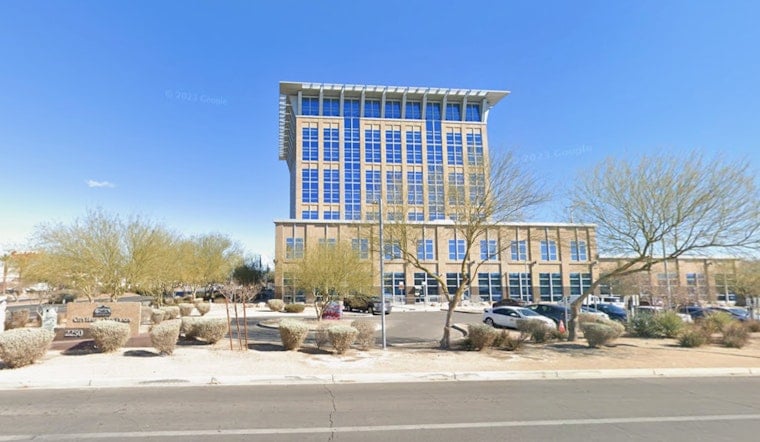
North Las Vegas city leaders met Thursday to begin hashing out the 2055 Master Plan, a document that will steer the city's growth for the next 20 years and replace a 2006 blueprint that focused on population growth, new housing communities, businesses, parks and transportation. The timing matters: North Las Vegas has ballooned into Nevada's fourth-largest city, and residents showing up to weigh in made clear they want the new plan to deliver more jobs, more affordable housing and more help for people experiencing homelessness.
As reported by KTNV, reporter Jhovani Carrillo detailed residents' concerns as city leaders launched the planning process this week. The station notes the city has already delivered some of what residents are asking for, pointing to a new shopping center in the Hylo Park area and a 1,500-home community near Losee Road and the 215 as recent examples of growth taking shape on the ground.
Residents Push for Jobs, Roads and Housing
Brandon Lafayette, who has lived in North Las Vegas for 10 years, told the station the city should keep building up but said progress has felt slow. He said he wants to see more investment in roads and in the homeless community, along with greater focus on small businesses and easier access to jobs, per the same account.
Shanee Berrien said high rent is unaffordable for average students and newlywed couples, and she wants the city to add more homes, including more affordable housing options. She also recommended investment in more urban areas and said Nevada could benefit from more areas dedicated to homeless needs, the station reported.
A City Already Reshaping Itself
The 2055 plan isn't just a wish list — under Nevada law, it carries legal weight. Nevada Revised Statute NRS 278.150 requires municipal planning commissions to adopt a comprehensive, long-term master plan, while NRS 278.0284 requires that all local zoning and capital improvement decisions conform to it. In other words, whatever North Las Vegas adopts will bind future city council votes on land use and spending through 2055.
The city has already put the wheels in motion for that process. Municipal procurement records show North Las Vegas issued RFP 2025-012 in November 2025 to hire a consultant to help draft the plan under a contract running through March 2027, according to NevadaePro procurement listings. The push comes as the city's population hit 296,653 in 2025, a 13.5% jump from 261,164 in 2020, per U.S. Census Bureau estimates reported by World Population Review.
Industrial Growth Meets Affordability Concerns
Much of that growth is tied to the city's transformation into a logistics and industrial hub. In her March State of the City address, Mayor Pamela Goynes-Brown reported that the Apex Industrial Park now has nearly 30 million square feet of industrial space planned, under construction or completed, according to the City of North Las Vegas. A $413 million surface water pipeline is currently under construction to extend water infrastructure to Apex, with completion expected in 2028, per Clark County Office of Community & Economic Development records — a project addressing water constraints that historically limited development there.
Housing costs remain a central worry among residents like Berrien, even though North Las Vegas still ranks as the most affordable entry point among major Las Vegas Valley submarkets. The median single-family home list price stood at $430,000 in June, with homes selling in an average of 17 days, according to market data reported by Nevada Real Estate Group.
Downtown Infill and Sub-Regional Plans Already Underway
While outer-edge development continues, the city broke ground in April on a new downtown Nevada State University campus at Lake Mead and Las Vegas Boulevards, part of a broader $200 million NLV Gateway downtown plan, city officials said. It's slated to open in fall 2027. The mayor's address also detailed the Tule Springs East Area Plan, a 6,500-acre framework projected to add 32,000 new homes, 100,000 residents and more than 73,000 jobs — a sub-regional plan that will eventually feed into the citywide 2055 framework.
State lawmakers have also been pushing cities toward denser housing options. Under Nevada's Assembly Bill 396, municipalities with more than 60,000 residents, including North Las Vegas, were required to establish local rules for accessory dwelling units, or casitas, by July 1, or permit them automatically without discretionary hearings, as Hoodline previously reported. The city has also confronted legacy housing challenges: last year the city council unanimously approved rezoning to build replacement housing for residents of Windsor Park, a historically Black community that has suffered decades of ground sinking caused by groundwater extraction, with relocations slated to begin by late 2026.
Together, these projects — from Apex's industrial buildout to Tule Springs' greenfield expansion to downtown's university campus — illustrate the balancing act facing planners as they draft the 2055 document. Residents' calls for jobs, affordable housing and homeless services will now become part of the public input shaping a plan that, once adopted, will govern the city's zoning and capital spending decisions for the next three decades.



