

























































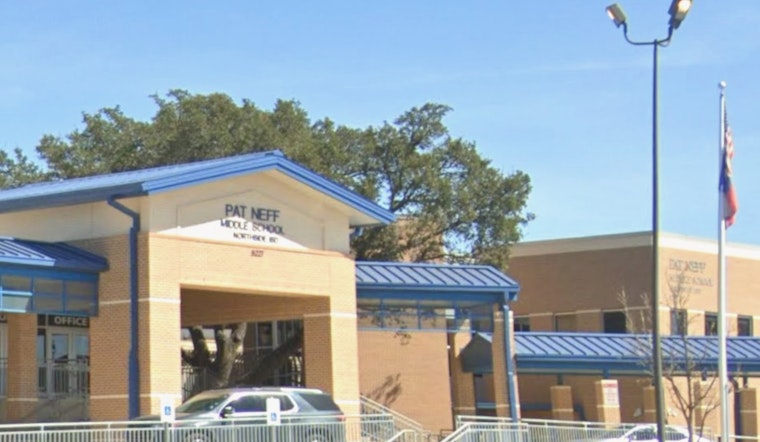
Students at Pat Neff Middle School grabbed handheld fans to stay cool this week after a concerned citizen reported that a malfunctioning air conditioner had left classrooms sitting in the 80s. Northside Independent School District says the problem was far more limited than that, insisting only a couple of classrooms were affected while the rest of the campus stayed cool and functional.
The dispute broke out during the opening week of school, as San Antonio baked under a heat index of 107 degrees and afternoon highs pushed into the triple digits. As reported by MySA, NISD maintenance crews assessed the air-conditioning issue at Pat Neff and relocated one class to another building after temperatures began to climb there. The district said it is waiting on necessary parts to finish repairs, but maintains that everything else at the campus was working and cooling as expected.
A District-Wide Pattern Beyond One Campus
Pat Neff was not an isolated case. KENS 5 reported that cooling issues hit several Northside ISD campuses during the same first week of classes, including Harlan High School, where two main chillers failed, and Lewis Elementary, where ongoing chiller breakdowns forced the postponement of its annual meet-the-teacher event. NISD maintenance crews are tasked with monitoring air-conditioning units across all of the district's more than 130 campuses to keep classrooms at a safe temperature, a scale that makes chasing down every mechanical failure a considerable logistical challenge.
The National Weather Service in Austin and San Antonio issued heat advisories in mid-August as peak afternoon heat index values across Bexar County reached between 107 and 110 degrees during the opening week of school. Under Texas Administrative Code guidance detailed by district weather response protocols, occupied classrooms and office spaces are supposed to stay between 72 and 76 degrees during the school year. San Antonio Metro Health guidelines separately require area schools to keep children indoors whenever the local heat index hits 105 degrees, the so-called danger level, underscoring why functioning indoor cooling carries real public-health stakes when outdoor recess and activities are already off the table.
Budget Cuts Cloud the Cooling Question
The timing complicates the district's insistence that this is a minor, room-level fix. Northside ISD is currently grappling with a projected $38.8 million budget deficit for the 2026-2027 school year, according to Focus On San Antonio, as enrollment has fallen to an estimated 95,461 students from a 2019 peak of 107,800 — a decline that shrinks the attendance-based state funding the district relies on. Those financial pressures follow a leadership shakeup detailed in earlier Hoodline reporting on the district's superintendent exit and budget strain.
Earlier this year, the San Antonio Express-News reported that Northside ISD leadership had placed nearly $198.5 million in voter-approved 2022 bond projects on hold, including HVAC and ventilator system replacements across nine elementary campuses, citing declining enrollment and fiscal uncertainty. The San Antonio Current reported that City Council members Edward Mungia and Ric Galvan sent a formal letter urging district officials to maintain transparency after NISD paused $117 million in campus renovations, including HVAC overhauls, at West Side elementary schools like Valley Hi, Meadow Village, and Cable. Northside ISD has a long track record of passing bond packages, having secured $3.98 billion in voter-approved school construction funding since 1995, which makes the current pause on nearly $200 million in HVAC-related work a notable shift for a district accustomed to steady capital investment.
How Other Districts Handle the Heat
Neighboring San Antonio ISD offers a point of comparison for how districts respond once HVAC failures start piling up. Texas Public Radio reported that SAISD implemented mandatory extreme-weather operating procedures after severe breakdowns, requiring custodians to conduct 5 a.m. room temperature checks daily and follow a set hierarchy of responses: deploying portable AC units, relocating classes internally, or busing students to cooler campuses. Northside ISD's move to relocate a single Pat Neff class mirrors one rung of that same response ladder, though the district has not detailed whether it follows a similarly formalized protocol districtwide.
The stakes extend beyond any one campus. Hoodline previously reported that roughly 3,700 Bexar County households lack air conditioning entirely, with indoor temperatures in older West Side homes recorded as high as 120 degrees during summer heatwaves, meaning some students facing hot classrooms may also be going home to houses without reliable cooling. That broader vulnerability adds weight to questions about whether districtwide HVAC investment can keep pace with the demands of a warming Texas summer, even as Northside ISD insists the Pat Neff situation amounts to nothing more than a room or two waiting on replacement parts.





