

























































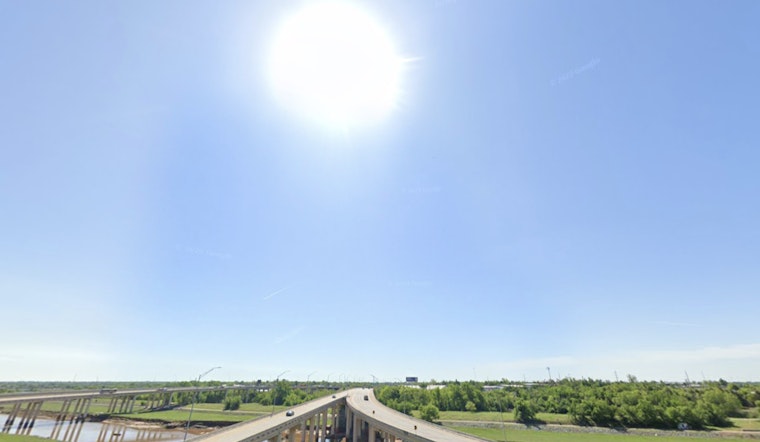
Oklahoma City is starting Wednesday clear and around 75°F, but the easy morning is a brief one: temperatures will climb to 102°F, with heat-index values up to 107°F this afternoon. A Heat Advisory is in effect from noon to 8 p.m., putting the hottest stretch squarely over lunch, afternoon errands and outdoor work.
The Heat Builds Fast
Temperatures are expected to rise from the upper 70s early Wednesday to the mid-90s around noon, then reach about 100°F through much of the afternoon before topping out near 102°F. The National Weather Service forecast calls for sunny skies and south-southwest winds near 10 mph, which may provide a breeze but little real relief.
Advisory Covers The Afternoon
The National Weather Service in Norman says heat-index values could reach 107°F across the advisory area. The agency warns that hot temperatures and humidity may cause heat illnesses, so outdoor work, exercise and long stretches in direct sun will be the toughest to manage between midday and evening.
Rain Offers Little Relief
Rain chances remain near zero in Oklahoma City on Wednesday. A few showers or thunderstorms could develop late Wednesday into Thursday, mainly across northern Oklahoma, but local chances stay low and little rainfall is expected; any storm that forms could still produce a sudden downburst wind.
Triple-Digit Heat Hangs On
Thursday is forecast to reach 101°F, with heat-index values as high as 106°F, followed by another 101°F day Friday and Saturday. Sunday should still reach about 100°F, while Monday and Tuesday ease only slightly to near 99°F, with overnight lows mostly holding between 77°F and 79°F.
Take The Heat Seriously
Drink plenty of fluids, stay in air conditioning when possible and limit time in the afternoon sun. The weather service also recommends checking on relatives and neighbors, especially older adults and anyone working or exercising outdoors; moving strenuous activities to the early morning or evening can help reduce the risk.





