

























































Four years after undergoing an experimental cancer therapy at a Tampa hospital, 67-year-old Orange County resident Frank Carter spent 64 days paddling a hand-built canoe down the entire length of the Missouri River with his golden retriever, Amos, riding along beside him. The pair covered 2,341 miles, camping on riverbanks and pushing through storms, high winds and hail along the way.
Carter's journey began at the river's headwaters in southwest Montana and ended in St. Louis, according to Tampa Bay 28, which interviewed Carter for a story published Friday. The Missouri River is the longest river system in North America, stretching 2,341 miles from its Montana headwaters to its confluence with the Mississippi River near St. Louis, according to The Community Paper. Carter built the cedar-strip canoe himself, fulfilling a boyhood dream rooted in his fascination with the 19th-century Lewis and Clark expedition, the outlet reported.
A Diagnosis That Followed a Race
Carter's health scare started in September 2022, after he ran a 5K road race in Casselberry and could not shake a severe, prolonged fatigue once he crossed the finish line. The exhaustion prompted medical tests that led to a diagnosis of mantle cell lymphoma, a rare and aggressive form of non-Hodgkin lymphoma that predominantly affects men over 60 and accounts for just 3% to 10% of all non-Hodgkin lymphoma cases in the United States, according to Bristol Myers Squibb.
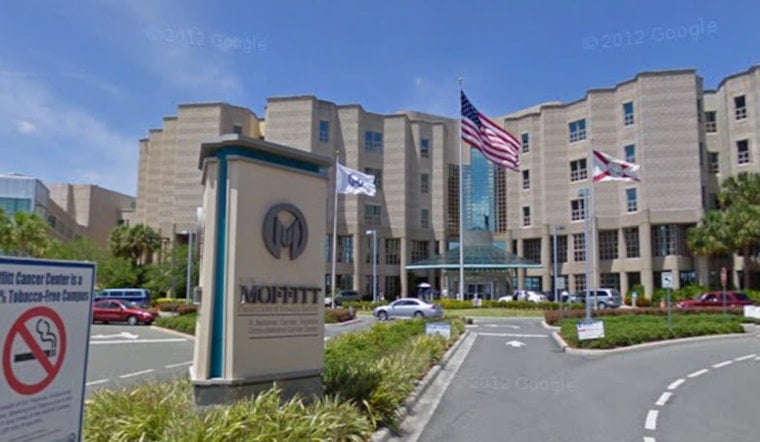
Carter began chemotherapy within two weeks of seeing his doctor and ultimately underwent 15 rounds of it, per Tampa Bay 28's reporting. He was later treated at Moffitt Cancer Center in Tampa, the only National Cancer Institute-designated Comprehensive Cancer Center based in Florida and the first center globally to treat more than 2,000 patients with CAR T-cell therapy.
How CAR T-Cell Therapy Works
At Moffitt, doctors treated Carter with CAR T-cell therapy, a process in which a patient's own T-cells are drawn from their blood, genetically modified to identify and destroy cancer cells, and then infused back into the body. Michael Jain, medical director of Moffitt's Immune & Cellular Therapy Program, described the approach to Tampa Bay 28 by explaining that T-cells act as the quarterback of anti-tumor immunity, coordinating the immune system's attack on cancer.
The therapy carries real risks. CAR T-cell treatment can trigger cytokine release syndrome and neurological toxicities as the engineered T-cells rapidly expand and attack their targets in the body, according to Moffitt, and patients require close monitoring during a standard 30-day recovery period. Carter still receives infusions to boost his immune system and undergoes annual checkups, since mantle cell lymphoma requires ongoing surveillance for potential late recurrence.
The treatment Carter received traces back to a regulatory milestone. The FDA first granted accelerated approval to brexucabtagene autoleucel, sold as Tecartus, for relapsed or refractory mantle cell lymphoma in July 2020, later converting it to full traditional approval in April 2026 after reviewing long-term clinical data. In the pivotal ZUMA-2 clinical trial behind that approval, 87 percent of patients responded to a single infusion and 62 percent achieved complete remission, according to Gilead Sciences, figures that underscore why the therapy is considered a breakthrough for a disease that historically carried a poor long-term prognosis due to high relapse rates.
Miles Logged Before and After Treatment
Carter's physical endurance did not start with the canoe trip. He began hiking on his 60th birthday and later spent five months hiking the Appalachian Trail from Georgia to Maine. He also spent a little over two months cycling roughly 3,200 miles on a bicycle ride from San Diego, California, to New Smyrna Beach, bookending his cancer treatment with feats of endurance on foot, by bike and now by canoe.
Carter documented the Missouri River journey on social media to raise awareness and funds for Blood Cancer United, formerly known as the Leukemia & Lymphoma Society, which supports blood cancer research and patient assistance programs, according to Moffitt Cancer Center. Reflecting on the experience, Carter told Tampa Bay 28 that he is glad for every day, adding that his cancer journey increased his appreciation for getting up and starting each day.
A Broader Pattern at Moffitt
Carter's public account joins a string of Tampa-area cancer stories tied to Moffitt in recent months. Hoodline previously reported on another Tampa-area resident, Stephen Garcia, who has been sharing his own stage four colon cancer treatment journey at the same institution. Moffitt has also been in the news for reasons beyond individual patient stories, including its expanding regional research footprint and recent changes to its Medicare network affiliations that have affected patient access.





