

























































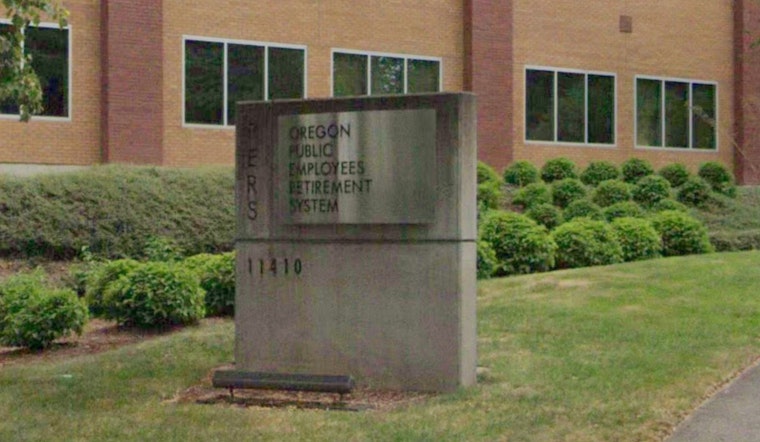
Sixteen Oregon Democrats are calling for a sweeping audit of the state’s public employees retirement fund, arguing that years of complicated investment decisions deserve a closer look. The push centers on private equity, fees, portfolio balance and whether Oregon’s $100 billion-plus pension system is being managed for maximum long-term value.
Seven Democratic senators and nine Democratic representatives sent a letter to Treasurer Elizabeth Steiner and the Oregon Investment Council, asking for a comprehensive review within 12 months, according to the Statesman Journal. Sen. Jeff Golden of Ashland led the group, which says the requested audit would fulfill a legally required safeguard for the Oregon Public Employees Retirement Fund, or OPERF.
OPERF pays benefits for Oregon’s Public Employees Retirement System and is managed by the Oregon State Treasury under investment policies set by the Oregon Investment Council, according to the Oregon PERS. Investment earnings are the fund’s largest source of income, making allocation decisions especially consequential for public workers, retirees and the government employers that help finance the system.
Law Requires A Broader Review Of Oregon’s Pension Investments
Oregon law requires the Investment Council to provide for an examination and audit of its investment program at least once every four years, including a review of investment policies, practices and specific holdings, under ORS 293.776. The lawmakers say the last comprehensive OPERF investment-program audit was conducted about 10 years ago, while a 2026 review of the fund’s private-equity allocation does not satisfy the broader statutory standard, as reported by the Statesman Journal.
The requested review would examine the types and amounts of fees paid to investment managers, the balance between public and private equity, and whether particular investment choices are producing enough value to justify their risks and costs. It would also consider how artificial intelligence, technology, energy-transition policies, climate change, medical advances, geopolitical threats and biological risks could affect the portfolio over time.
Private Equity Allocation Fuels The Political Dispute
Private equity is at the center of the disagreement. The Oregon Journalism Project reported that private equity reached 28.4% of OPERF in July 2024, above the council’s 20% target and above its approved range at the time. Treasury staff later reduced the allocation from 28% to 26%, while Steiner supported a long-term target of 20% and anticipated the share would fall further.
The financial stakes are large enough to turn an accounting debate into a budget debate. The Oregon Journalism Project reported that an analysis found Oregon’s failure to follow its target allocation policy may have reduced OPERF’s value by about $1.4 billion in 2024, though that figure is an estimate tied to a particular investment comparison rather than an official audit finding.
The holdings question also extends beyond broad asset classes. Oregon’s June 30, 2025 public-equity report lists roughly $49.4 million invested in Palantir Technologies, along with about $933,619 in GEO Group and $680,645 in CoreCivic, according to the Oregon State Treasury holdings report; the lawmakers want a new audit to examine whether investment choices could compromise long-term value.
Treasury Highlights Returns While Lawmakers Seek More Detail
The Treasury has pointed to strong recent performance and routine oversight in defending its broader investment strategy. The Oregon State Treasury said OPERF’s Opportunity Portfolio returned 11.2% in 2025 and that an independent internal audit of Treasury’s private-equity program received a satisfactory rating.
That internal review focused on controls such as governance, manager due diligence, risk management and fiduciary oversight, while the Democrats are asking for a much broader examination of allocation choices, fees and individual investments. The distinction matters because a fund can have functioning internal controls and still face questions about whether its overall strategy is delivering the best possible risk-adjusted return.
The audit demand follows earlier public debate over the fund’s quarterly results and long-term performance, including a OPERF benchmark shortfall reported by Hoodline. The Treasury office did not immediately respond to the lawmakers’ request, leaving the next move with Steiner and the Investment Council.





