

























































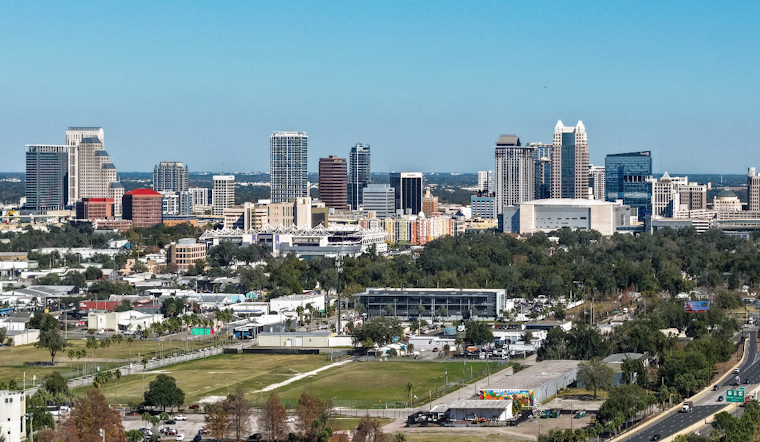
Florida households looking to buy a median-priced home today are staring down a steep gap between what they earn and what it actually costs, with Orlando families needing 58.4% more income to comfortably afford a typical house and Miami families needing a staggering 273.2% more, according to a new national affordability analysis. The same study offers a sliver of hope, projecting that Orlando, Tampa, Jacksonville and three other Florida cities could cross into affordability by 2031 as income growth outpaces home price appreciation.
The findings come from a housing affordability study released by HireAHelper, which examined median home prices and household incomes in 174 of the nation's largest cities, as reported by WFTV Channel 9 Orlando. Researchers classified a housing market as affordable when annual mortgage and property tax costs do not exceed 30% of median household income, using calculations that assume a 30-year fixed mortgage, a 20% down payment, and a 6% interest rate. The national median home price currently sits at $390,300, and the study projects that figure will climb 35.1% to $527,525 by 2031.
The Widening Gap Across Florida's Biggest Cities
Florida's affordability crunch is not evenly distributed. Tampa households need 61.1% more income than they currently have to afford a median-priced home, while St. Petersburg households need 112.1% more and Fort Lauderdale households need 113.7% more, per the same WFTV account of the HireAHelper findings. The gap grows even wider in South Florida, where Hialeah households need 284.5% more income, and Hollywood households need 100.2% more, making Miami-area cities some of the toughest markets in the state.
Other Florida metros land somewhere in the middle of that spectrum. Jacksonville households need just 12.7% more income to afford a median-priced home, the smallest gap among the cities WFTV cited, while Tallahassee households need 23.9% more, Port St. Lucie households need 40.4% more, Cape Coral households need 6% more, and Pembroke Pines households need 93.8% more. In total, the outlet's report counts 12 Florida cities considered unaffordable for the typical household in 2026, compared with states like Minnesota, Iowa and Louisiana, which the study considered affordable overall.
A Projected Turnaround by 2031, With Caveats
Despite the current squeeze, the same analysis projects that Orlando, Tampa and Jacksonville will join three other Florida cities in crossing into affordability by 2031, as projected income growth outpaces rising housing costs in those markets. Nationally, the number of states meeting the affordability standard is projected to reach 36 by 2031, up from the current count of states like Minnesota, Iowa and Louisiana.
But the study's own methodology leaves out several expenses that weigh heavily on Florida homeowners specifically. The analysis did not account for homeowners insurance, association fees, or household debt, according to WFTV's reporting on the HireAHelper study. That is a significant omission in Florida, where homeowners pay an average annual insurance premium of $8,292 in 2026 — 181% above the national average of $2,844 and the highest rate in the country, according to Hoodline's prior reporting citing Insurify data.
The Costs the Models Leave Out
Those uncounted costs matter because they compound the burden facing Florida's lower-wage workers. A 2026 report from Habitat for Humanity Pasco County found that 62% of Florida homeowners earning under $50,000 per year are already housing cost-burdened, and that there are 13 low- to moderate-income renters for every single affordable for-sale home in the state. Florida's statewide minimum wage stands at $14.00 per hour through late September, when it rises to $15.00 under a constitutional amendment voters approved in 2020, according to the Florida Department of Commerce — a wage floor that leaves plenty of distance to climb before matching the income needed to buy in cities like Orlando or Tampa.
Separately, an August report citing Redfin data found that U.S. home buyers nationally need an annual income of $109,796 to afford a median-priced home, compared with a median household income of $87,599, with Orlando, Tampa, Miami and West Palm Beach all showing similar wage-to-price gaps, as reported by WTSP. Renters are not spared either: Orlando renters spend an average of 35% of their income on a solo one-bedroom apartment, though splitting a two-bedroom unit saves Orlando and Tampa renters an estimated $8,300 and $9,200 annually, respectively, per Hoodline's earlier analysis of rent burden in Central Florida.
State Programs Aim to Narrow the Gap
State lawmakers have tried to chip away at the supply side of the problem. Florida's Live Local Act, originally passed in 2023 to preempt local zoning and allow administrative approval of affordable housing on commercial land, was expanded this year under House Bill 1389 to include properties owned by counties, cities, school districts and religious institutions, according to the City of Fort Myers. Qualifying developments must set aside at least 40% of residential units as affordable for 30 years.
On the demand side, the Florida Housing Finance Corporation's 2026 Hometown Heroes Housing Program offers eligible frontline workers and military members up to 5% of their first mortgage loan amount, capped at $35,000, in zero-interest, deferred down payment assistance. Locally, Tampa's draft Program Year 2026 Action Plan targets direct mortgage and counseling assistance for 50 homebuyers, adding or acquiring up to 27 affordable units, and funding rehousing or shelter for 527 people experiencing homelessness, per the City of Tampa's planning documents.
Even with those interventions, the structural shortfall remains massive in Tampa Bay specifically. A tri-county regional report titled The Housing Equation found the region faces an immediate shortfall of 80,650 homes affordable to households earning at or below 80% of area median income, and will need 254,700 total new units by 2035 to keep pace with population growth, as Hoodline reported in February. Migration data adds another layer of pressure: 78.5% of all U.S. moves in 2025 were intrastate relocations, with movement concentrated in the Southeast as residents sought lower-cost secondary metros, according to HireAHelper's separate migration report — meaning even as Florida's own cities inch toward affordability on paper, more people may keep arriving to compete for the same limited supply.



.jpg)