

























































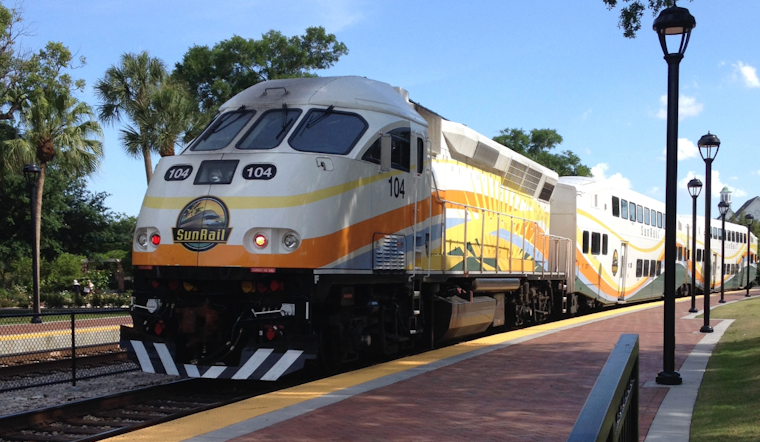
A fiber-optic cable severed during a municipal sewer and utility project near Orlando's Ivanhoe Village knocked out train signals across the SunRail system for roughly 10 hours, stranding commuters and forcing the transit agency to bus riders between stations while crews scrambled to make repairs.
City of Orlando officials confirmed that fiber optic lines were damaged during work on the Lift Station 2 Force Main Improvements project, a long-running effort to replace a 70-year-old cast iron wastewater main with modern PVC piping serving downtown Orlando and the Lake Highland and Ivanhoe areas, according to the City of Orlando. The excavation is part of a joint effort in which the Orlando Utilities Commission is simultaneously replacing high-voltage electric duct banks and water mains along the same corridor, per the city's project documentation. City staff said the damage was attributed to a contractor and was mitigated the same day, as reported by WKMG ClickOrlando.
The outage affected power and operations at nine SunRail stations, WKMG reported, and disrupted train operations across Central Florida for close to 10 hours before the fiber cable was repaired later the same day and service was restored. In the interim, SunRail brought in buses to ferry riders between stops while crews worked to fix the line.
Commuters Scramble as Trains Sit Idle
The disruption reshuffled plans for riders across the region. Jules Sappeia had spent two dollars on a SunRail ticket before the interruption hit and ended up biking back from Winter Park instead, changing plans on the fly rather than wait out the delay, per the same WKMG account.
Another rider, identified only as Adrian, was made late by the service interruption while trying to commute to work in Seminole County. Adrian, who relies on SunRail for that commute, told the station that limited public transportation options make it difficult for people to get to and from jobs in Seminole County when the rail line goes down.
WKMG's Jarell Baker reported that News 6 visited the SunRail operations center in Sanford but was not allowed onto the property, and that SunRail had not responded to questions about what precautions or contingency plans exist to prevent a repeat outage.
Why One Cut Line Can Stop the Whole System
The scale of Thursday's disruption traces back to how SunRail's safety systems are built. The line's wayside signals, train control, Supervisory Control and Data Acquisition systems, and Positive Train Control communications all depend on dedicated fiber-optic cable running the length of the Central Florida Rail Corridor, according to the Federal Transit Administration. Sever that cable in one spot, and signal and tracking capability can go dark across the network, which runs 61.3 miles through 17 stations in Volusia, Seminole, Orange, and Osceola counties and carries an average of 5,300 to 5,600 weekday riders, per SunRail Corporate figures.
Florida law was built with exactly this kind of risk in mind. Under Chapter 556 of the Florida Statutes, the Underground Facility Damage Prevention and Safety Act requires excavators to contact Sunshine 811 at least two full business days before digging so utility operators can locate and mark buried lines, according to the Florida Senate. Statewide, Florida sees more than 73 underground utility line strikes every day, a reflection of how much civil construction and earth-moving work is happening at any given time, per Sunshine 811 data.
A System Already Under Strain From Construction
The Lift Station 2 project has been disruptive to the Ivanhoe Village area well before Thursday's cable strike. Long-term closures of Lake Highland Drive and stretches of the Orlando Urban Trail between Magnolia Avenue and Ferris Avenue have been in effect since January, according to Ivanhoe Village Main Street, with the closures originally projected to run into summer.
Prior SunRail service suspensions have typically stemmed from severe weather preparations or fatal vehicle and pedestrian collisions at grade crossings, a pattern Hoodline previously covered after a Winter Park death. Thursday's shutdown was different in kind: rather than a localized crossing incident, a single point of infrastructure failure was enough to freeze the entire corridor.
Stakes Rise as Local Governments Take Over the Bill
The timing adds pressure to a transit system already navigating a major financial shift. Central Florida's local government partners officially took over financial responsibility for SunRail's operating budget, which exceeds $63 million annually, from the Florida Department of Transportation in 2025, with the full transition set to wrap up by 2027, according to Railway Supply. Under the local funding arrangement, the City of Orlando contributes about $18.7 million a year, Orange County pays $14.5 million, and Seminole County contributes $11.6 million, per reporting from ClickOrlando.
That means local tax dollars, not just state funds, are now on the hook when infrastructure failures like Thursday's disrupt service for thousands of daily riders. Questions about contractor oversight under Florida's 811 safe-digging requirements, and whether SunRail has redundant routing safeguards to prevent a repeat of a single cable knocking out nine stations at once, remained unanswered as of the latest reporting.





