

























































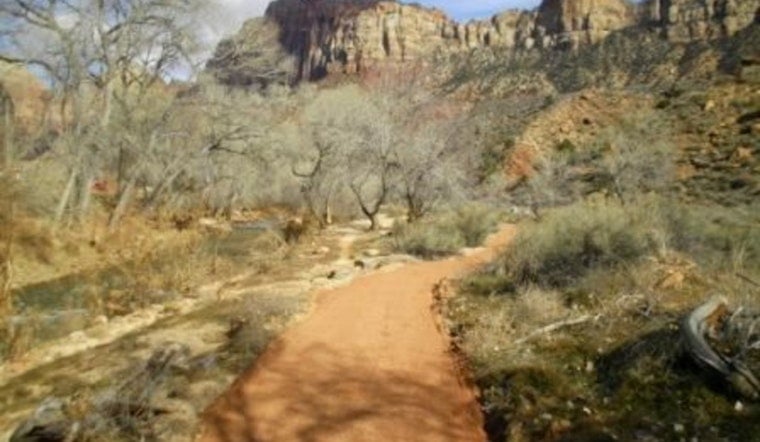
A trail above Springdale’s George A. Barker River Park has become the unlikely center of a growing fight between the Paiute Indian Tribe of Utah and town officials over public access, tribal trust status and what was actually agreed to. The tribe says Springdale misrepresented the negotiations, while the town says it is trying to protect continued trail use as both sides work through a sensitive land issue.
The dispute involves the Nung’wu Poa trail system, which crosses Paiute-owned land above the river park. A 2021 agreement allowed the public to use the trail and let Springdale bypass the easement application normally required to access private property, according to KSL’s report.
A 2021 Trail Deal Is Now Under Strain
The trail agreement was originally presented as a cooperative arrangement between the town and tribe, giving residents and visitors access to a roughly mile-long route with views over Springdale and Zion Canyon. The earlier agreement also reflected the tribe’s willingness to open land that it owns exclusively to public recreation, as KSL previously reported.
Springdale’s own public notice shows that town officials and tribal leaders were still discussing the trail this year. The notice said the Town Council planned to meet the new Paiute Tribal Council and tour the Nung’wu Poa trail in February, while noting that no action would be taken during the site visit, according to a Springdale town notice.
Resident Email Sets Off Tribal Pushback
The latest flare-up followed an email Springdale sent to residents last Thursday. Town officials warned that the tribe could close access to trails on its property as soon as the following Tuesday, said the tribe was seeking trust status to avoid property taxes and suggested continued trail use could be conditioned on town support for the application, according to KSL’s account.
The Paiute tribe responded by calling the town’s communication misleading and accusing officials of misrepresenting the negotiations. The tribe said it wants the property placed into federal trust to protect the land’s cultural and environmental values for generations, not to build a commercial project, and it disputed Springdale’s suggestion that public access could simply be shut down.
Why Tribal Trust Status Is The Flashpoint
Federal trust status would change the legal framework around the property. The Bureau of Indian Affairs says a fee-to-trust transaction transfers legal title from a tribe to the United States to hold in trust for the tribe’s benefit, and that trust land generally is not subject to state or local taxes or ordinary state authority; Indian Affairs explains.
That makes the town’s tax concerns understandable as a matter of land status, but it does not establish that avoiding taxes is the tribe’s motive. Nor does the federal description by itself answer the separate question at the heart of Springdale’s dispute: how the 2021 access agreement would work if the land changes status.
For residents and visitors, the immediate question is whether the trail remains available, but the deeper fight is about who gets to define the terms on tribal land. Until Springdale and the Paiute Indian Tribe resolve the memorandum and access language, the scenic Nung’wu Poa trail is likely to remain a small but consequential flashpoint in the town’s relationship with its Paiute neighbors.





