

























































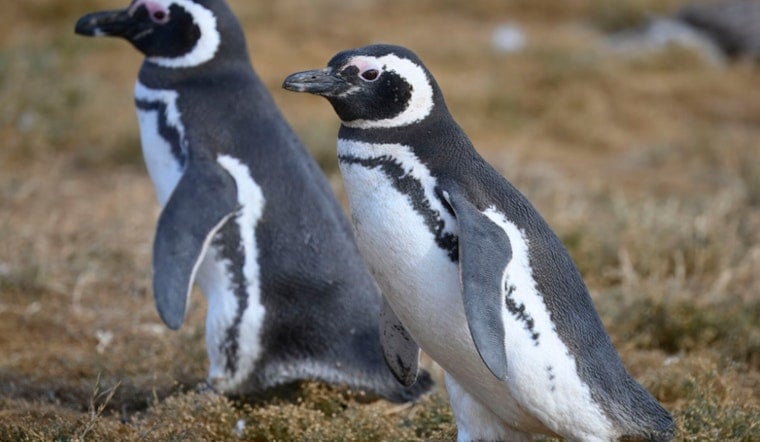
Philadelphia Zoo has penguins again — but not the ones longtime visitors might remember. In June, the zoo introduced a new colony of Magellanic penguins to the renovated Hollenstein Ross Penguin Point, marking the first time in more than 75 years that the institution has housed this particular species.
The milestone, confirmed by the Philadelphia Zoo, closes out a lengthy renovation of the zoo's penguin habitat and reflects a coordinated, national effort to manage the animals rather than a simple local acquisition. The ten new Magellanic penguins were transferred to Philadelphia from other accredited Association of Zoos and Aquariums institutions at the recommendation of the Species Survival Plan, a coordinated breeding initiative that pairs animals strategically across North American zoos to maintain genetic diversity. Unlike the cold-loving Antarctic species many people picture when they hear the word penguin, Magellanic penguins are warm-weather birds native to the coastal regions of Argentina and Chile.
CBS News Philadelphia was among the first outlets to introduce viewers to the new arrivals, and as CBS News reported, the zoo now has a brand-new colony calling Philadelphia home. The ten birds have names: Pickle, Sandy, Augustus, Hagrid, Pinkie, Lola, Steve, Nia, Calista and Dee. According to the zoo, the penguins spent time settling in behind the scenes before being introduced to their outdoor habitat during the summer.
A Habitat Built to Fight Bird Flu
The upgraded Hollenstein Ross Penguin Point isn't just bigger — it's designed with a specific threat in mind. The habitat now includes a climate-controlled indoor space with a 5,500-gallon pool meant to protect the colony during severe weather and shield the birds from Highly Pathogenic Avian Influenza, according to the zoo. That indoor pool is separate from the main outdoor pool, which holds 200,000 gallons for public viewing.
The renovation made room for Magellanic penguins by first making the previous Humboldt penguin colony homeless in Philadelphia. In July 2025, that group of birds was relocated to facilities including the Pittsburgh Zoo & Aquarium and Seattle's Woodland Park Zoo following an AZA recommendation, as Hoodline reported in its coverage of the Humboldt penguins’ move to Pittsburgh. TribLIVE reported that thirteen Humboldt penguins, ranging in age from 1 to 17 years old, were moved specifically to Pittsburgh's Kids Kingdom exhibit.
Part of a Bigger Campus Overhaul
The Penguin Point renovation didn't happen in isolation. It was supported through Remember the Future: The Campaign for Philadelphia Zoo, an $85 million, five-year fundraising effort publicly launched in May 2026 that had already raised $65 million at the time of its announcement, per the zoo. The same campaign, described as the most ambitious fundraising push in the zoo's 150-plus year history, also funded the $25 million Carey Bear Country exhibit.
The timing lines up with a significant anniversary for the institution. Chartered in 1859 and opened to the public on July 1, 1874 as America's first zoo, the Philadelphia Zoo celebrated its 152nd anniversary in July alongside a slate of new exhibit rollouts timed to national celebrations, according to the zoo. Civil War delays had pushed the zoo's official public opening back to 1874 after its original charter.
Dr. Jo-Elle Mogerman, who assumed leadership as the zoo's 15th President and CEO in late 2023, has been directing modernizations meant to position the urban zoo as key civic and environmental infrastructure, according to The Philadelphia Inquirer. Mogerman previously held executive positions at the Shedd Aquarium and Brookfield Zoo.
Why This Species, and Why It Matters in the Wild
Magellanic penguins are burrow-nesting seabirds that can dive up to 90 meters and reach swimming speeds of 15 mph, according to the zoo. Wild populations of the species face threats from oil pollution, climate shifts and commercial overfishing, which the zoo says makes conservation-minded breeding programs like the Species Survival Plan especially important for the species' long-term survival.
The new colony also ties into a broader civic push happening across the city this year. In February, the zoo launched its 250,000 Actions for Animals initiative, challenging local residents to complete a quarter-million conservation tasks — such as litter cleanups and native planting — before the end of 2026. The campaign coincides with Philadelphia's citywide activities marking America's 250th anniversary, giving the zoo's newest residents a role in a larger story about civic engagement and wildlife conservation playing out across the city this year.





