

























































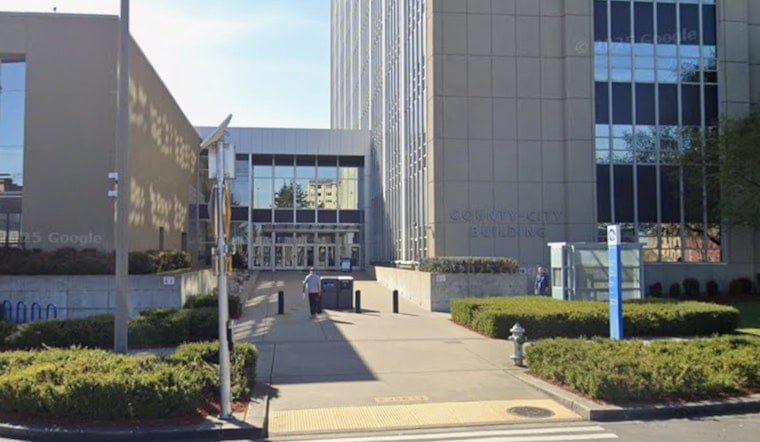
Pierce County will not accept, process, or approve any new permits for data centers larger than 10 megawatts for the next year, after the county council voted 6-1 to enact an emergency moratorium covering unincorporated parts of the county. The ban targets large-scale server farms while staff study how the facilities affect water supplies, the power grid, and local infrastructure costs.
The emergency ordinance, first reported by The News Tribune, prohibits the county from accepting, processing, or approving permits for new or expanded data centers exceeding that 10-megawatt threshold. It also lays out a work plan for county staff to evaluate future data center development regulations. Councilmember Amy Cruver supported the emergency measure, saying it gives the county time to establish clear rules before facilities get built, and she identified power transmission, water use, emissions, noise, environmental impacts, infrastructure costs, tax revenues, jobs, and cumulative impacts as issues staff need to sort through.
Councilmember Jani Hitchen said the ordinance was introduced preemptively, according to the same report. Pierce County staff confirmed there are currently no applications for new or expanded data centers pending before the county, a detail that became central to the debate over whether an emergency declaration was even necessary.
One Dissenting Vote and a Procedural Fight
Not everyone on the council was on board. Dave Morell voted against the ordinance, arguing it bypasses the normal legislative process and that there is no emergency to justify short-circuiting it. He said he would support similar restrictions if they moved through the standard process instead. Councilmember Paul Herrera struck a middle note, saying development moratoriums on private businesses deserve careful consideration even as he backed a formal pause on data center applications while staff develop policy.
The ordinance itself points to the Clover/Chambers Creek Aquifer as a central concern, describing it as the sole source of drinking water for a majority of Pierce County's unincorporated area. Data center campuses can use large amounts of water for cooling systems, and the ordinance also flags that the facilities can burn natural gas and draw heavily on electricity, raising concerns about effects on air and water quality and resource depletion.
Big Power Draw, Few Permanent Jobs
Per the ordinance, data centers are the largest source of expected electricity load growth in the Pacific Northwest, a concern that lines up with the Northwest Power and Conservation Council's draft Ninth Power Plan, released in August, which projects regional electricity demand could climb 50% over six years and require $2.3 billion in new generation and storage infrastructure by 2032, according to OPB. The ordinance also notes that while data center construction can require hundreds of temporary construction workers, automated and hyperscale facilities operate with a very small number of permanent employees once running, giving them little to no positive impact on the county's employment goals.
Pierce County's largest existing example shows the scale involved. The Centeris SH1 data center in Puyallup is part of an 86-acre complex, the largest data center campus in the county, and features a dedicated on-site 50-megawatt electrical substation that is expandable to 100 megawatts, along with a dual-fed municipal water supply contract for up to 2 million gallons per day from the City of Puyallup, according to Centeris.
Grassroots Pressure and a Regional Pattern
Local advocacy played a visible role ahead of the vote. The Tacoma and Pierce County chapters of the Democratic Socialists of America sent more than 2,500 letters to the county urging officials to pass a one-year moratorium barring new data center construction, and the group had launched a coordinated advocacy drive through Action Network citing drought conditions and a lack of state regulation for high-density AI computing facilities.
Pierce County is not acting alone. DuPont is considering its own moratorium on data centers, and Tacoma already prohibits stand-alone server farms under its current code, according to city attorney Maria Lee. Nearby Snohomish County unanimously enacted its own temporary moratorium in June to study electrical, water, and community impacts, and the Federal Way City Council unanimously passed a 12-month moratorium in July after community pushback over industrial site redevelopment, citing noise, emissions, and water and power consumption. Federal Way borders Pierce County along the King County line.
State law shapes how quickly counties can act. Under Washington's Growth Management Act, RCW 36.70A.390, local governments can adopt emergency development moratoria without advance public notice, provided they hold a public hearing within 60 days and establish a work plan to support up to a year-long pause, per the Municipal Research and Services Center. Pierce County has scheduled that required hearing for 3 p.m. on October 20 at the county council chambers.
What Happens During the Pause
The county has already opened a Data Center Regulations portal on its website to gather public survey feedback, track the work plan's progress, and collect community comments on facility sizing and environmental standards. State tax policy adds another layer to the picture: Washington offers sales and use tax exemptions under RCW 82.08.9861 for computer server equipment and power infrastructure in populous counties when developers meet prevailing wage and community workforce standards, though 2026 updates under SB 6231 limited exemptions for replacement equipment, according to the Washington Department of Revenue.
Pierce County's pause fits into a fast-moving wave of local moratoria nationwide, as governments in states including Texas, Oklahoma, South Carolina, Florida, and Michigan have passed or drafted similar measures to study grid strain, water use, and noise before allowing more data center construction. For now, the fate of any future large-scale server farm in unincorporated Pierce County rests on what staff report back after the October hearing and how the council chooses to write permanent rules.





