

























































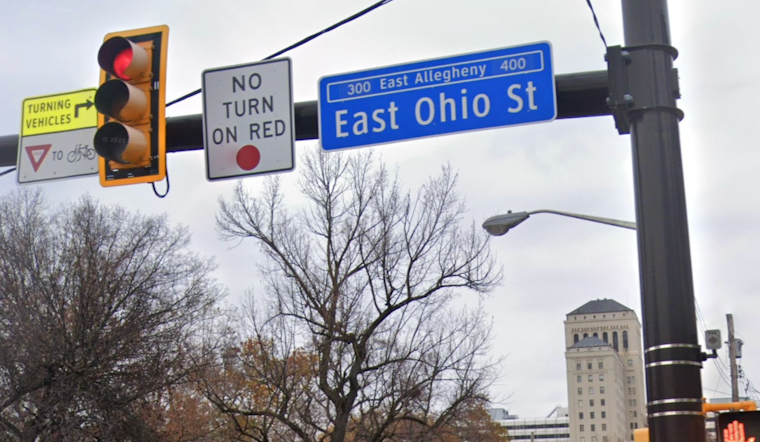
Pittsburgh Cannabis Fest is back this weekend, filling Allegheny Commons Park East on the North Side with more than 100 vendors, live music and a food court, all without a single joint being lit on the grounds. The free, non-ticketed festival runs from 11 a.m. to 5 p.m. near the corner of East Ohio Street and Cedar Avenue, and no medical-marijuana card is required to walk through the gates.
The event, now in its sixth year, brings together licensed Pennsylvania medical cannabis operators, advocacy groups and curious newcomers under one roof-less roof, according to Axios, whose reporter Ryan Deto detailed the festival's return this week. A press release cited by the outlet describes the gathering as a chance to connect medical-marijuana users and potential new patients with operators, vendors and advocacy organizations, alongside education and advocacy programming. Recreational cannabis remains illegal in Pennsylvania, and the festival's rules reflect that reality: attendees cannot smoke, toke or otherwise consume marijuana products anywhere on festival grounds, per the same reporting.
A Sixth Year of Growth for the North Side Gathering
The 2026 edition marks the festival's sixth annual run, and organizers describe it as a free, non-ticketed community event expected to draw thousands of attendees across the park, according to the Pittsburgh Cannabis Fest website. Festival policy bars on-site commercial cannabis sales, alcohol consumption and public smoking, offering free drinking water and a food court of local trucks instead, the event's own FAQ page notes. Park walkways are ADA accessible, and leashed pets are welcome, according to the same source.
Trulieve, one of Pennsylvania's major cannabis operators, is serving as an official medical card sponsor this year, setting up on-site resources to help eligible residents register for state medical marijuana certifications, per the company's community outreach page. That kind of setup lets commercial operators engage with festivalgoers legally without selling actual flower on site, offering guidance on medical card eligibility alongside educational activities. Last year's fifth annual festival saw regional operators like Black Bear Dispensary run educational tents and designated consumption lounges aimed at destigmatizing cannabis use across Allegheny County, as reported by the Pittsburgh Post-Gazette. Vendors that year displayed products alongside laboratory certificates of analysis verifying testing for heavy metals and pesticides, the paper noted.
Why Nobody Can Light Up at the Festival
The no-smoking rule isn't just festival etiquette — it traces back to state law. Under Pennsylvania's Medical Marijuana Act of 2016, smoking cannabis flower using an open flame remains illegal statewide, meaning registered medical patients are required to consume dry leaf products strictly through vaporization, according to guidance from RISE Dispensaries. Violating that combustion rule can technically expose even cardholders to paraphernalia charges under state law, the same guidance warns.
Locally, though, Pittsburgh has taken a softer line on low-level possession for a decade now. City Council voted in December 2015 to decriminalize possession of up to 30 grams of marijuana or 8 grams of hashish within city limits, replacing criminal misdemeanor charges with civil fines ranging from $25 to $100, the Post-Gazette reported at the time. That ordinance was designed to spare young adults and minor offenders from lifelong criminal records, according to the same report.
A Booming Medical Market, A Stalled Legalization Push
The festival lands amid explosive growth in Pennsylvania's medical marijuana program, which reached 438,727 active certified patients and 196 operational dispensaries by mid-2026, building on $1.81 billion in state retail cannabis sales generated in 2025, according to The Marijuana Herald. Total program-to-date sales have now surpassed $7.5 billion statewide.
Yet full legalization remains politically stuck. Governor Josh Shapiro's 2025-2026 state budget proposal estimated that adult-use recreational legalization could generate $250 million annually for the state, but that legislation remains stalled in the State Senate after passing the House, as Hoodline reported in its piece on the Harrisburg legislative impasse. Pennsylvania remains one of the largest medical-only cannabis states in the nation as a result.
Pittsburgh's cannabis footprint extends beyond the North Side park this weekend, too. Western Pennsylvania also hosts commercial indoor gatherings like the Steel City Cannabis Convention at the Monroeville Convention Center, which features industry panels, accessory vendors and educational workshops, according to Visit Monroeville. And the region's cannabis industry isn't limited to consumer events — automation company Vape-Jet relocated its headquarters and manufacturing operations to Pittsburgh's Strip District in 2026, setting up along the neighborhood's so-called Robotics Row, as Hoodline previously reported.


