

























































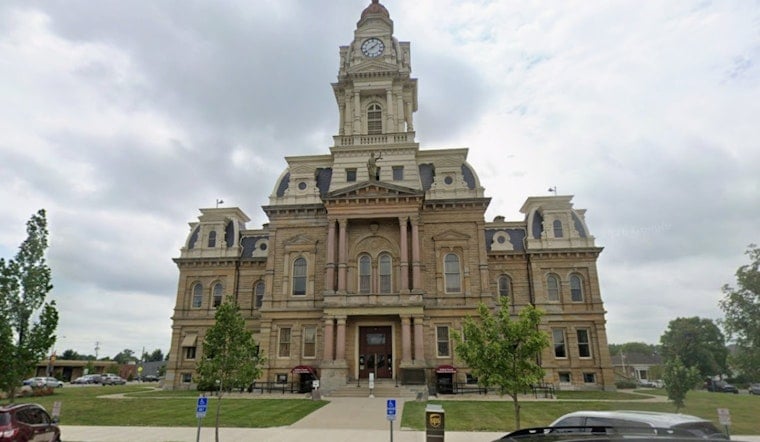
A Madison County woman has pleaded guilty to gross abuse of a corpse in connection with a newborn girl found inside a residential trash bin in a Plain City neighborhood three years ago, canceling a jury trial that had been set to begin the following Monday. Anuradha Manukonda entered her plea in Madison County Common Pleas Court on Friday, resolving a case that had haunted the small central Ohio community since garbage truck workers discovered the infant's body in June 2023.
According to WSYX, Manukonda had previously pleaded not guilty following a March 2025 grand jury indictment, per the Marysville Journal-Tribune. Investigators identified her after nearly two years of work, matching DNA extracted from discarded trash items in the neighborhood — including a cotton swab and a beer bottle — which led detectives to interview her and collect a direct DNA sample, the outlet reported. Police conducted a 22-month investigation with help from the Ohio Bureau of Criminal Investigation and local authorities before filing charges.
At the time of the infant's birth, Manukonda was a resident of Fairborn in Greene County but was staying with relatives in Plain City who were unaware she was pregnant, the Journal-Tribune's report indicates. She allegedly placed the newborn in an outdoor rollout trash bin, which was later emptied during routine residential garbage collection before workers discovered the body.
Why Prosecutors Couldn't Pursue a Homicide Charge
An autopsy performed by the Montgomery County Coroner's Office found the newborn had her umbilical cord still attached and had suffered multiple fractures and lacerations, but officials could not determine whether those injuries occurred before or after death, or whether the child was born alive. Severe compactor damage from the garbage truck prevented coroners from establishing a definitive cause or manner of death — the central forensic gap that steered prosecutors toward a corpse-abuse charge rather than homicide.
Under Ohio Revised Code Section 2927.01, gross abuse of a corpse involves treating a human body in a way that outrages reasonable community sensibilities, and it is classified as a fifth-degree felony, according to the Ohio Legislative Service Commission. The statute draws a line between misdemeanor abuse, which offends family sensibilities, and the felony version, which shocks community standards. A fifth-degree felony carries a maximum of 12 months in prison and fines up to $2,500, with judges also able to order community control or probation. Manukonda is scheduled to be sentenced on October 2.
A Community That Grieved Before It Had a Name
Long before investigators knew who the mother was, Plain City residents rallied around the child they came to know as “Madison Baby Doe.” More than 100 community members attended a memorial service at Ferguson Funeral Home and burial at Forest Grove Cemetery in June 2023, with funeral costs covered entirely by local donations, per 10TV WBNS.
The discovery also pushed Plain City Mayor Jody Carney to lobby state lawmakers to loosen restrictions on Safe Haven Baby Boxes, noting that small rural fire departments often lack the mandatory 24/7 staffing required to host one. At the time, city officials urged mothers in crisis to go directly to existing police or fire stations regardless of whether a box was available.
Case Inspired Central Ohio's First Baby Box
The tragedy's ripple effects reached beyond Plain City. In July, Franklin County's Prairie Township Fire Department dedicated the Columbus area's first Safe Haven Baby Box, with the lieutenant who pushed for it saying the installation was directly inspired by the Madison Baby Doe case. The climate-controlled box lets parents anonymously surrender infants, triggering an automated alarm that notifies firefighters within one minute.
Ohio's Safe Haven Law, first passed in 2001 and expanded in 2009, allows birth parents to anonymously surrender an unharmed newborn up to 30 days old to hospital staff, fire stations, or police officers without facing prosecution for abandonment. The law exists specifically to prevent infant deaths caused by dangerous abandonments — the very outcome Plain City mourned in 2023. Manukonda's guilty plea closes the criminal case, but it does not answer lingering questions about the circumstances of the birth or why those Safe Haven protections went unused.





