

























































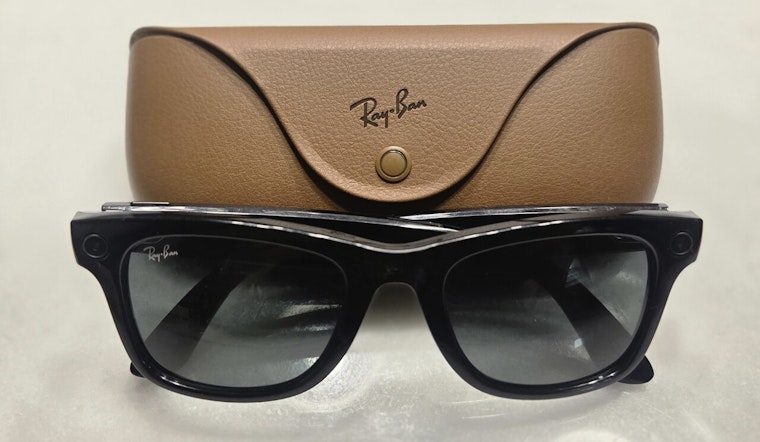
Polk County Public Schools has banned students from wearing or carrying Ray-Ban Meta glasses and similar wearable recording devices on campus, and any device that gets confiscated will not go back to the student who wore it. Under the district's new notice, seized smart glasses will be secured by administration and handed over only to a parent or guardian. The rule, announced August 13, 2026, falls under Board Policies 5136 and 5136.01 and arrives just as students head back for the 2026-27 school year.
District officials in Bartow said they had noticed more students wearing the camera-equipped eyewear at school, according to FOX 13 Tampa Bay. Polk County becomes the latest Tampa Bay-area district to close what administrators see as a loophole in existing phone bans, following moves by Hillsborough County and Pinellas County schools over the summer, the station reported. Families whose students need technology that might otherwise be covered by the ban have been advised to contact their school directly, per the same report.
Why Schools Are Worried About the Hardware
The concern isn't just distraction. Ray-Ban Meta-style glasses pack ultra-wide 12-megapixel cameras, multi-microphone arrays, open-ear speakers, and voice-activated AI assistants, letting a wearer quietly capture 3K video, livestream, or query an AI assistant without a visible screen or obvious recording light, according to Ray-Ban. That combination makes the glasses far harder to spot than someone holding up a phone.
Erich Kron, a cybersecurity expert with KnowBe4, told the station that smart glasses can be a distraction and can be used for cheating, adding that people have already been caught using them to cheat, especially at the college level. Kron also warned that recordings made without someone's knowledge can leak confidential conversations and fuel cyberbullying, though he noted the same footage can sometimes help a student prove they were bullied. The technology, he said, can photograph, record audio or video, livestream, communicate with others, access information, or transmit content without nearby people being aware or consenting.
Tampa Bay Districts Move in Lockstep
Pinellas County Schools got there first, approving updated conduct rules on July 14, 2026, that ban smart glasses and other wearable recording devices across every campus and school bus for the coming year, according to WTSP. The district carved out narrow exceptions for documented disability accommodations and select extracurricular events like football games and graduation ceremonies, as detailed by the Palm Harbor Dunedin Beacon.
Hillsborough County took up the question during an April 2026 school board workshop, where members debated adding smart glasses — including prescription smart glasses — to the district's prohibited wireless device policy. Administrators warned that built-in AI could feed students test answers in real time, and officials advised students who need vision correction to switch to standard prescription eyewear during school hours, WUSF reported.
An Enforcement Gap Nobody Has Closed Yet
Polk County has not detailed how staff are supposed to tell smart glasses apart from ordinary prescription eyewear in a crowded hallway — a challenge that also faces Hillsborough and Pinellas staff, and one tied to accommodating students who rely on assistive technology under IEP or 504 plans. Students who violate the new rules could face a range of disciplinary action, with the specific consequence depending on the circumstances and the applicable district policy, FOX 13 Tampa Bay noted.
The district-level bans build on two rounds of state law. Florida's HB 379, signed by Governor Ron DeSantis in May 2023, was the nation's first comprehensive statewide law restricting student wireless device use during class time and requiring districts to block platforms like TikTok on school Wi-Fi, according to the Florida Senate. HB 1105, passed in the 2025 session, went further, mandating full-day device bans in elementary and middle schools and barring high schoolers from using personal devices during instructional time without teacher permission.
The Data Behind the Crackdown
Legislative staff analysis cited by the Florida Senate found that removing wireless communication devices from classrooms raised standardized test scores by an average of 6 percent, with gains more than doubling to over 14 percent for low-performing students — research lawmakers leaned on when drafting the original classroom device restrictions.
Florida's K-12 crackdown mirrors a wider institutional retreat from wearable cameras. The College Board has already banned smart glasses from SAT test centers and authorized proctors to inspect any eyewear suspected of hiding a camera or wireless AI connection, treating the devices as a threat to academic integrity on par with a hidden smartphone. Outside education, the New York State Unified Court System banned smart glasses from all state court facilities effective July 20, 2026, citing risks of covert audio and video recording — a sign the same privacy anxieties driving Polk County's policy are showing up well beyond the classroom.
Palm Beach County Public Schools, the tenth-largest district in the country, takes a slightly different approach, restricting smart glasses, smartphones, and smartwatches only during classroom instruction while allowing access before and after school, during passing periods, and at lunch. Whether Polk County eventually adopts similar time-of-day carve-outs remains unclear, but for now the district's message to families is straightforward: leave the smart glasses at home, or risk having a parent make the trip to retrieve them.





