

























































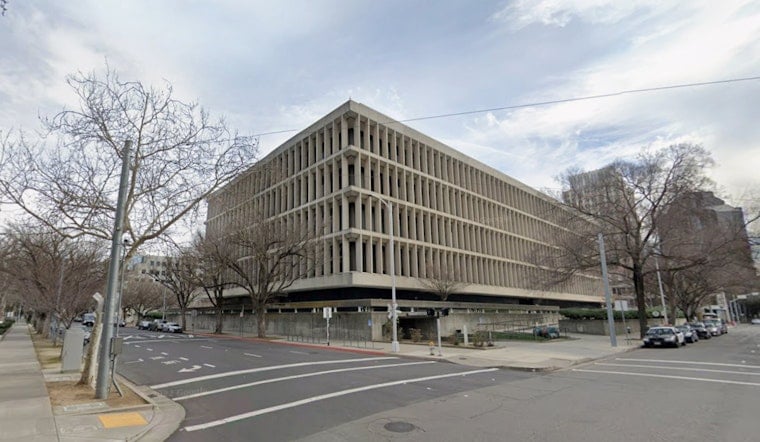
The City of Sacramento has paid $10 million to settle a lawsuit alleging that a city animal control officer ran a red light and crashed into a woman's vehicle near El Camino Avenue and Lexington Street in North Sacramento in January 2022. The settlement, signed in February, names Alexcia Ceja and two minors as plaintiffs and lists both the city and Senior Animal Control Officer Jennifer Channell as defendants.
According to the Sacramento Bee, which obtained the settlement agreement through a California Public Records Act request, the lawsuit was filed in Sacramento Superior Court in 2023 and alleged that Channell ran a red light and crashed into Ceja's vehicle. The Bee reports the $10 million figure is the largest known settlement the city has signed since 2023.
City spokesperson Jennifer Singer declined to comment on the settlement itself and would not say whether the city disciplined Channell over the crash, per the same account. Singer did confirm that Channell remains employed as a city senior animal control officer. Channell referred questions about the settlement to city spokesperson Ryan Hinderman, who did not immediately respond to a request for comment, the outlet notes.
A Corridor Already Flagged for Danger
The crash site sits on a stretch of El Camino Avenue that the City of Sacramento has designated as one of the top five corridors citywide for fatal and serious traffic crashes under its Vision Zero Action Plan. That plan identifies High Injury Network corridors for targeted infrastructure and safety retrofits, and El Camino Avenue's inclusion on that list underscores that the intersection where Channell and Ceja collided was already recognized by city officials as a high-risk location.
How California Law Puts Cities on the Hook
Public entities in California carry direct statutory liability for crashes caused by employees driving in the scope of their jobs. Under California Vehicle Code Section 17001, as detailed by Impact Attorneys, a public entity is liable for death, injury, or property damage proximately caused by an officer or employee's negligent operation of a motor vehicle on the job — a notable departure from the broader immunity that shields governments in many other tort scenarios.
Before a plaintiff can sue, though, California's Government Claims Act imposes a tight procedural hurdle. Under Government Code Section 911.2, anyone seeking damages from a city or its employees must file a formal written administrative claim within six months of the incident, according to Justia. That compressed window, far shorter than the standard two-year deadline for personal injury claims, replaces the usual civil timeline entirely.
A Pattern of Costly Payouts
The Ceja settlement lands amid a run of expensive vehicle-related payouts for Sacramento. In April, the city was hit with a $32.1 million wrongful death jury verdict after an off-duty Sacramento police detective crashed into a plumber's vehicle on Interstate 5 in December 2022 — the largest wrongful death award against the city in its history, according to reporting cited in the dossier's comparison sourcing. In October 2021, the city paid an $11 million settlement to fund a special needs trust for a boy who suffered permanent brain damage in a 2018 crosswalk collision on Freeport Boulevard that killed his grandmother, per CBS News Sacramento. And in 2017, the city paid $9.75 million to resolve a wrongful death suit after a Sacramento police officer rear-ended a vehicle, killing a 9-month-old child.
Between 2019 and 2023 alone, Sacramento disbursed $21 million in settlements tied specifically to traffic collisions on city roadways. In October 2025, the City Council adopted Resolution 2025-0262, formalizing a Litigation Resolution Committee made up of the Risk Manager, City Manager, and City Attorney to oversee and authorize settlement recommendations going forward.
A Tight Budget Absorbs the Hit
The payout arrives as Sacramento navigates a strained fiscal picture. In June, the City Council adopted a $1.7 billion operating and capital budget for the current fiscal year, a plan that required closing a $66.2 million General Fund deficit while managing other structural financial obligations, according to the Sacramento City Express. Multi-million-dollar legal settlements like the one paid to Ceja add to that pressure, landing on top of a budget already built around difficult trade-offs.
It remains unclear whether the city's self-insurance fund or an excess liability policy covered the $10 million payment, and the city has not disclosed whether any internal disciplinary review of Channell's driving record took place. Singer's refusal to answer that specific question leaves the matter open. Channell continues to work in the field for Sacramento's Front Street Animal Shelter, the city's open-admission animal welfare facility, where officers handle community resource distribution, animal rescue calls, and pet owner compliance.





