

























































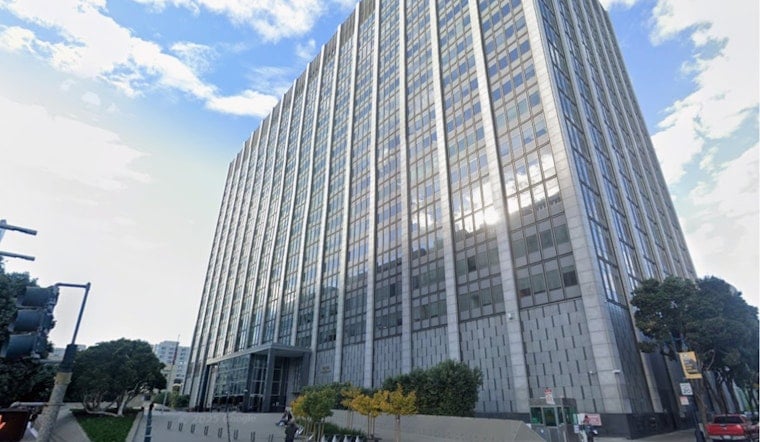
A federal jury in San Francisco has convicted Japheth Dillman, co-founder of the cryptocurrency trading fund Block Bits Capital, on four counts of wire fraud and one count of conspiracy after prosecutors said he helped deceive investors out of nearly $1 million. The verdict came on Monday, capping a case built on a promise that never held up in court: an automated trading bot that, according to testimony, never actually worked.
The 10-day trial before Chief U.S. District Judge Richard Seeborg ended after a 12-member jury deliberated for roughly six hours over two days, according to the Department of Justice. As reported by KRON4, Dillman raised money from investors alongside one other person in both 2017 and 2018, marketing Block Bits Capital as a fund that used an autotrader program to generate profits for its backers.
Prosecutors said Dillman knew the autotrader software was not working even as he made promises to investors that could not come to fruition. The case's most damaging testimony, however, came from someone who once stood beside him.
The Co-Founder Who Turned Government Witness
David Mata, who co-founded Block Bits with Dillman, pleaded guilty to federal wire fraud in June 2022 and testified against his former partner at trial under a cooperation agreement with prosecutors, according to Bitcoin News. Mata's plea came shortly after federal charges against the pair were unsealed in 2022, and his cooperation gave the government its key witness against Dillman years before the case ever reached a jury.
Trial exhibits and SEC enforcement filings showed why that testimony mattered so much: Block Bits never completed a functional trading algorithm at all. Every trade the fund made was executed manually by Mata through a single exchange account, even as sales materials promised investors an automated bot trading across 30 different platforms.
Dillman also told prospective investors in 2017 that roughly 40 percent of fund assets sat in risk-free, offline cold storage generating steady returns. No such cold storage assets existed, per SEC filings tied to the case.
Where the Money Actually Went
Rather than securing assets or running automated trades, Dillman and Mata diverted investor funds into high-risk ventures, including an initial coin offering for AML Bitcoin, a token project the SEC separately charged as a fraudulent unregistered offering in June 2020 in a case against issuer NAC Foundation in Northern California federal court, per SEC enforcement records.
Court documents show Block Bits raised approximately $960,000 from roughly 22 retail investors between June 2017 and August 2018. Net investor losses ultimately totaled approximately $508,000, with the remaining funds depleted through personal payments and failed speculative trades, the same records show.
From Gaming Accelerator to Crypto Fund
Before launching Block Bits in 2017, Dillman was a known figure in San Francisco's tech scene as co-founder of YetiZen, a game development accelerator established in 2010 that focused on supporting early-stage mobile and social gaming companies, according to Crowdfund Insider. That local pedigree made his pivot into cryptocurrency fund management, and the fraud that followed, all the more notable within Bay Area startup circles.
Sentencing and a Stalled Civil Case Loom
Per KRON4, wire fraud and conspiracy each carry a maximum sentence of 20 years in federal prison and a maximum fine of $250,000, putting Dillman's combined exposure at up to 40 years behind bars, according to prosecutors. He is currently out on bond and is scheduled to be sentenced on December 8.
The criminal conviction also reopens a parallel front. The Securities and Exchange Commission filed civil fraud charges against Dillman and Block Bits entities in April 2022, seeking permanent injunctions, disgorgement, and civil penalties, but that action was stayed pending the outcome of the criminal trial. With the trial now resolved, the SEC's paused civil case is positioned to resume, with regulators still seeking permanent industry bars and financial disgorgement.
Mata already settled his own parallel SEC civil proceeding in August 2022, agreeing to permanent conduct-based injunctions, an industry bar, and $86,624 in disgorgement, with his exact civil penalty left to be determined at a later date. Dillman was originally arrested on April 27, 2022, following a federal criminal complaint unsealed after a joint investigation by the FBI and Internal Revenue Service Criminal Investigation, four years before the case finally reached a jury.
The case fits a pattern federal regulators have flagged repeatedly from the 2017-2018 cryptocurrency boom: fund managers pitching retail investors on proprietary trading bots and safe offline reserves while operating everything by hand and funneling money into speculative token ventures. Hoodline has previously covered a similar pattern in the Ichioka Ventures fraud case in the same federal district.





