

























































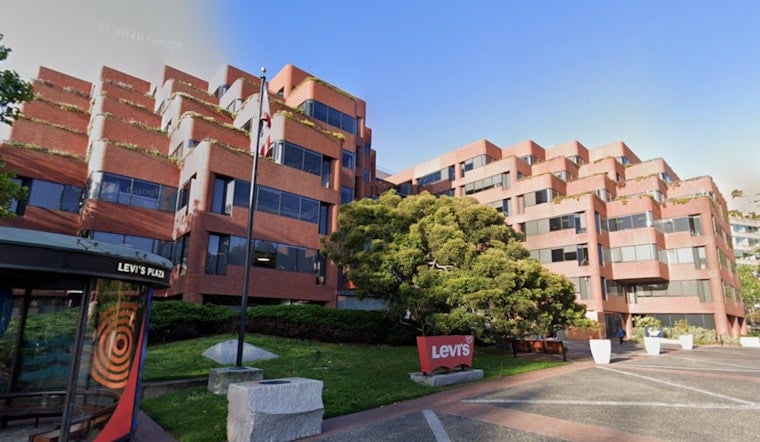
Levi Strauss & Co. has disclosed that an unauthorized third party used social engineering tactics to compromise three employee computers and exfiltrate corporate files, the San Francisco-based denim maker revealed in a regulatory filing. The company says no consumer data was involved and its operations were not disrupted.
According to StreetInsider, the filing outlines a narrow but confirmed intrusion: attackers manipulated three staffers into giving up access, then pulled internal files rather than customer records. As Reuters reports, Levi Strauss has launched an investigation into the incident, and preliminary findings show that certain corporate information was accessed and extracted. The company said it has implemented containment measures per the regulatory filing, and it expects no material impact on its operations or financial results.
Part of a Much Bigger Attack Wave
Levi Strauss isn't an isolated target. Reuters-reviewed data shows ransom-seeking hackers have gone after dozens of prominent U.S. financial institutions and other businesses in recent weeks, and the same report notes that cybercriminals created digital traps for more than 200 companies over the past five weeks, with Levi Strauss counted among them. The jeans maker has effectively joined a growing list of major firms facing increased cyberattacks and ransomware incidents worldwide, per the outlet's reporting.
That broader pattern tracks with a cyber extortion trend Hoodline highlighted earlier this week, in which threat actors used social engineering and compromised cloud credentials to breach over 100 corporate environments tied to a separate Snowflake-linked case. Employee-focused social engineering has become a preferred entry point for attackers this year — Hoodline reported in April that Harvard University warned staff about campaigns in which hackers impersonated internal IT support to steal administrative login credentials, a tactic that mirrors the approach used against Levi's workers.
Second Major Incident in Two Years
This is not Levi Strauss's first brush with a public cybersecurity failure. In June 2024, the company disclosed a credential-stuffing attack on levis.com that compromised 72,231 customer accounts, exposing names, email addresses, order histories, and partial payment card details, according to Infosecurity Magazine. That earlier breach hit customer-facing systems directly, unlike the newly disclosed employee-targeted intrusion, which the company says left consumer data untouched.
The company's cyber troubles have also rippled into its supply chain before. During an October 2024 earnings call, CEO Michelle Gass disclosed that a cybersecurity breach at a major wholesale partner disrupted product shipping and contributed to lower quarterly financial performance in Mexico, as reported by The Stack. Together, the incidents point to a company whose digital exposure now runs from its own storefronts to its vendor relationships.
Why Companies Are Disclosing Faster
The speed of this disclosure reflects tightened federal rules. Under SEC regulations effective since December 2023, public companies must report material cybersecurity breaches on Form 8-K within four business days, though SEC staff guidance issued in May 2024 encourages firms to report non-material or unconfirmed incidents under general updates rather than wait, according to Hunton Andrews Kurth LLP. That framework helps explain why Levi Strauss moved to disclose an incident it does not consider financially material.
The regulatory pressure to disclose quickly isn't confined to private companies. Hoodline reported in June that Texas officials disclosed a breach affecting over 3 million hunting and fishing license holders, part of a broader national surge in both public- and private-sector breach notifications.
Financial Footing Remains Strong
Levi Strauss enters this disclosure from a position of financial strength. The company reported Q2 2026 net revenues of $1.6 billion, an 8% year-over-year increase, and raised its annual net sales forecast in July, according to Levi Strauss & Co. Investor Relations. Reuters notes the company is betting on resilient demand for premium denim products among higher-income consumers to sustain that momentum.
As of Friday, Levi Strauss maintained a market capitalization of approximately $9.35 billion, with stock trading around $24.30 per share and gross profit margins near 62%, per Investing.com. Headquartered at Levi's Plaza on Battery Street in San Francisco since the company's 1853 founding, Levi Strauss operates roughly 3,300 company-owned stores and employs approximately 19,000 people globally, according to Forbes.





