

























































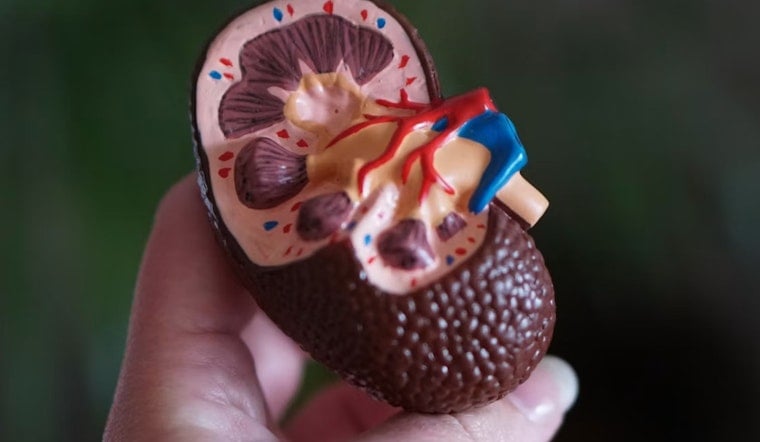
A Sheffield Village family is preparing for its second kidney transplant in three years, as 12-year-old Charlie Sunyak gets ready for surgery scheduled for September 10, 2026, one day before what would have been his late father's 39th birthday. Charlie has autosomal recessive polycystic kidney disease, known as ARPKD, the same rare genetic condition that led his older sister Lena to receive a kidney transplant in Cleveland in 2023.
The family's path to Charlie's transplant runs through a promise made more than a decade ago. Cleveland Fire Department Lieutenant Joseph “Jake” Konys told Lt. Dan Sunyak during their 2013 fire academy training that he would step in to help Sunyak's children if they ever needed it, according to WKYC. Dan Sunyak, who served with the City of Cleveland Division of Fire, died in 2021 at age 38, and Konys made good on that vow in May 2023 when he donated a kidney at University Hospitals Cleveland Medical Center through a paired exchange program, as reported by WKYC.
That earlier donation went into the National Kidney Registry's Voucher Program, a system that lets a living donor give a kidney into a paired exchange network in exchange for a voucher granting an intended family member priority access to a compatible living-donor kidney down the line, according to UCLA Health. Konys's 2023 gift made Lena's transplant possible that year, and it is now the same mechanism moving Charlie's transplant forward, uncoupling the timing of a donor's surgery from a recipient's eventual need.
Why Charlie's Blood Type Made the Voucher Critical
Charlie's blood type is O, which the family and reporting have described as harder to match than other types. Candidates with type O blood make up roughly 48% to 52% of the entire U.S. kidney transplant waiting list, and type O recipients can only receive organs from type O donors, according to research published via the National Institutes of Health. That bottleneck is part of why the voucher system carries such weight for the Sunyak family, since the National Kidney Registry's voucher program is designed to ensure recipients are matched appropriately and quickly rather than left to the mercy of a long deceased-donor list.
Nationally, more than 92,000 of the roughly 103,000 people on the U.S. organ transplant waiting list are waiting specifically for a kidney, with deceased-donor lists averaging three to five years, according to the National Kidney Foundation. Living-donor kidneys also tend to function almost immediately and last an average of 15 to 20 years, compared with 10 to 15 years for deceased-donor organs, per research from University Health. That gap in outcomes underscores why a voucher tied to a living donor mattered so much for both Sunyak children.
A Genetic Disease That Struck More Than One Sibling
ARPKD is a rare inherited disorder, occurring in about 1 in 20,000 live births, that requires both parents to carry the mutated gene, giving each pregnancy a 25% chance of producing an affected child, according to the Mayo Clinic. That inheritance pattern explains why the disease surfaced in more than one of Megan O'Shea's three children, Lena, Mac and Charlie. About half of children diagnosed with ARPKD progress to end-stage renal disease requiring dialysis or a transplant within their first two decades of life, per the National Institutes of Health's StatPearls reference.
Mac also has ARPKD, though it remains unclear from available reporting whether the youngest Sunyak sibling will eventually need a voucher redemption of their own. Lena, now 16 and starting her junior year of high school, is described as board certified and on stable medications, with her transplant reported to have had minimal issues since 2023. She is also enrolled in the nursing program at JVS, and she and Konys keep in touch through social media and text messages.
A Surgery Date Tied to a Father's Memory
Charlie's surgery is scheduled for September 10, 2026, one day before what would have been Dan Sunyak's birthday on September 11. Charlie himself was born on Father's Day, according to the family's account relayed through WKYC. Konys, who has four daughters of his own, made the original promise to Dan Sunyak that has now shaped the medical fortunes of two of his children.
UH Rainbow Babies & Children's Hospital in Cleveland, where the family's care has been centered, reports a 100% one-year survival rate for pediatric kidney transplant recipients, with outcomes that meet or exceed national averages according to Scientific Registry of Transplant Recipients data cited by University Hospitals. Megan O'Shea has expressed gratitude for her foundation, her children, and her family and friends as Charlie's surgery approaches.
A 50-year predictive simulation of the National Kidney Registry's Family Voucher Program found that available donor kidneys are projected to consistently exceed voucher redemption requests, a finding published in the American Journal of Transplantation meant to reassure families relying on future voucher redemptions. For the Sunyaks, that long-term reliability offers some measure of security as they prepare for a second transplant built on a promise one firefighter made to another more than a decade ago. The Sunyak family's story was first told as part of WKYC reporter Lindsay Buckingham's Heartstrings series, which streams on the WKYC app at 9 a.m. every Wednesday.



