

























































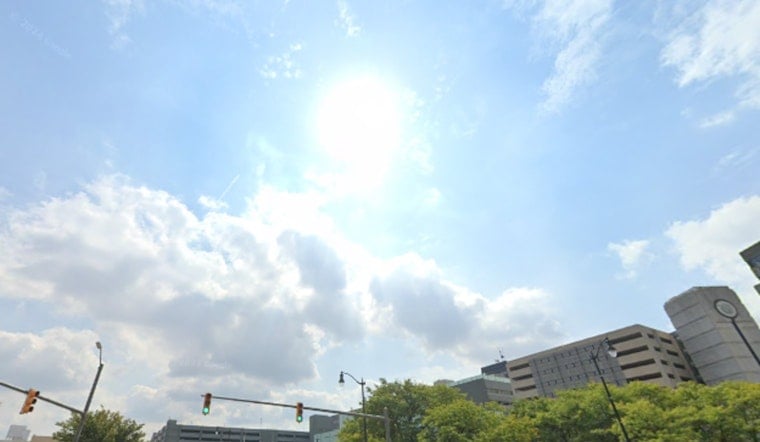
Seattle woke up around 63 degrees early Friday under smoky skies, with calm winds and visibility near 10 miles. The city is heading into one more hot day before cooler, mostly sunny weather settles over the weekend.
Heat Advisory Runs Through Friday Night
The National Weather Service has a Heat Advisory in effect through 10 p.m. Friday for Seattle and surrounding parts of western Washington. Seattle's forecast calls for a high near 84 degrees, while nearby inland communities could reach the upper 80s, creating a moderate risk of heat-related illness.
Afternoon winds will stay light, generally around 5 mph from the southwest, so the heat may feel more persistent during the peak afternoon hours. The advisory applies even though Friday's high is expected to be lower than the hottest temperatures seen during recent summer heat waves.
Smoke May Linger Before Onshore Air Arrives
Smoky or hazy conditions could continue Friday, although increasing onshore flow should gradually push cleaner marine air into the region. The latest NWS Seattle advisory urges residents to use indoor cooling and air filtration when heat and smoke overlap.
Weekend Temperatures Slide Back Toward Normal
Saturday should be mostly sunny with a high near 81 degrees, followed by a mostly sunny Sunday topping out around 78. Overnight lows will dip to about 59 degrees Saturday night and 58 degrees Sunday night, offering more useful relief than Friday's warm spell.
The cooldown continues into next week, with highs near 79 Monday, 76 Tuesday, 75 Wednesday and 77 Thursday. Rain is unlikely through most of the period, with only a small chance of precipitation arriving Tuesday night and Wednesday.
How To Handle Friday's Heat
Drink plenty of fluids, limit strenuous outdoor activity during the afternoon and take breaks in shaded or air-conditioned spaces. Check on older neighbors, young children and anyone without reliable cooling, and never leave children or pets in a vehicle.
Anyone showing signs of heat stroke should be moved to a cool place and given emergency help by calling 911. Lightweight clothing, an early start for outdoor work and closed blinds during the hottest part of the day can also help keep indoor spaces safer.



