

























































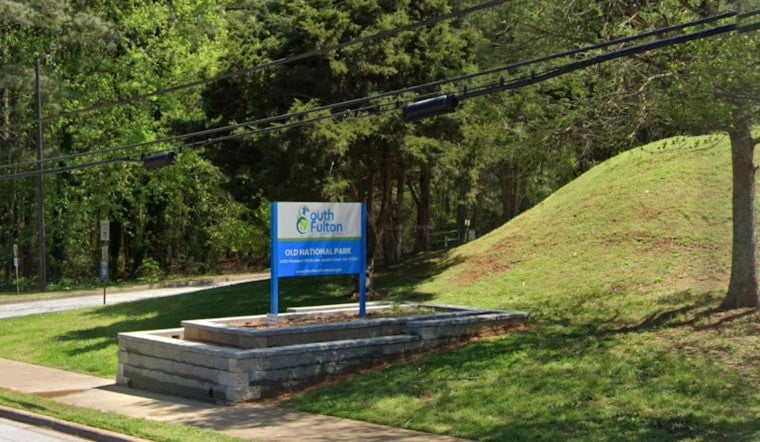
Outdoor activities and youth sports remain suspended at Old National Park in South Fulton after mosquitoes collected in the area tested positive for West Nile virus, and city officials say they cannot yet say when the closure will end. The park, a hub of Little League baseball, youth football, softball and playground activity, was initially expected to reopen after a brief two-day pause, but that timeline has already come and gone.
South Fulton Mayor Carmalitha Gumbs issued a notice on August 11 suspending outdoor activities and youth sports at the park after routine surveillance detected the virus in local mosquitoes, according to 11Alive. City officials originally expected the park to reopen Wednesday or Thursday of that week, but as FOX 5 Atlanta reports, activities there remain suspended until further notice while crews continue treating the affected grounds. The City of South Fulton is coordinating with Fulton County on the response, and the suspension is meant to reduce residents' risk of exposure to mosquitoes that could carry the virus.
Officials have not said when the treatment work will be finished, and per the same report, public health officials — not the city on its own — will determine when it is safe to resume outdoor activities at the park. City officials also say they will reevaluate the suspension once public health clearance comes through.
Why the Two-Day Window Slipped
The city had initially anticipated reopening Old National Park by August 13, but extended the suspension indefinitely while Fulton County health crews treat the grounds and collect follow-up mosquito samples, according to WSB Radio. Old National Park sits at 2400 Pleasant Hill Road and includes four Little League baseball fields alongside its football, softball and playground facilities, according to the City of South Fulton, making the shutdown a significant disruption for youth leagues that rely heavily on the complex.
Neighboring College Park officials confirmed on August 12 that no human cases of West Nile virus have been reported in South Fulton County connected to the Old National Park finding, according to the City of College Park. Public health agencies typically track human hospital data alongside insect trap results, and so far the trap positive has not translated into a known illness in the area.
How Fulton County Responds to Positive Traps
Standard Fulton County Board of Health procedure calls for treatment vendors to be sent out to eliminate mosquitoes whenever traps return positive West Nile results, while outreach teams canvas surrounding neighborhoods, as FOX 5 Atlanta has reported. County health staff maintain routine mosquito traps across metro Atlanta throughout the summer, and the Old National Park find is not the season's first. Fulton County had already detected West Nile virus in mosquito traps in Atlanta's Grant Park neighborhood in July, according to CBS News, with detections typically peaking in Georgia in late summer.
That pattern fits a longer trend. Fulton County recorded 18 human West Nile virus cases in 2024, the highest total of any Georgia county, out of 53 infections reported statewide that year, according to Axios Atlanta. Statewide, Georgia recorded 54 confirmed human cases and five associated deaths in 2024, according to public health data reported by Rough Draft Atlanta.
What Residents Should Know About Risk
Most people who contract West Nile virus never notice. Roughly 80% of infected people show no symptoms at all, while about 20% experience mild fever and flu-like illness, and neuroinvasive complications such as encephalitis or meningitis occur in under 1% of cases, per CBS News' earlier reporting on the county's clinical data.
Georgia health officials recommend residents follow the “5Ds” of mosquito bite prevention: avoiding outdoor exposure at dusk and dawn, dressing in protective clothing, applying DEET repellent, draining standing water, and securing doors and windows, according to the Coastal Health District. South Fulton residents are specifically encouraged to eliminate standing water around homes and businesses and to use insect repellent, per the FOX 5 Atlanta report. Standing water in containers around yards remains the primary breeding ground for the mosquitoes that spread the virus, and it is a hazard local officials have flagged elsewhere in the region, including in illegally dumped tire piles that can collect rainwater.
For now, families with kids in South Fulton's youth leagues are left waiting. City officials have not given a target reopening date, and the final call rests with public health officials once follow-up mosquito samples show the treated area is safe again.





