

























































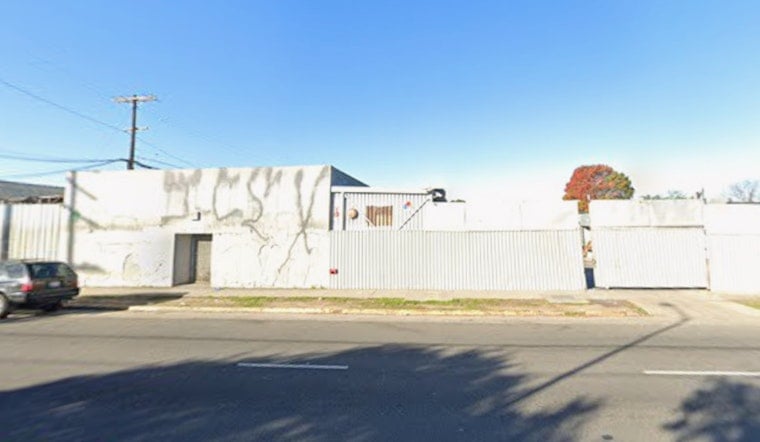
A hazardous waste site tucked into the Central-Alameda neighborhood of Los Angeles, less than 100 feet from the nearest home, is finally facing a state-mandated cleanup nearly four decades after regulators first raised alarms about toxic contamination there. The California Department of Toxic Substances Control has ordered remediation of the property at 5701 Compton Ave., where soil testing in 2001 found perchloroethylene extending 150 feet underground at concentrations regulators say reached 14 million times the level considered safe in indoor air.
The site sits directly across the street from the 8.5-acre Augustus F. Hawkins Nature Park, a green space beloved by neighbors, and is surrounded by family homes, according to reporting by the Los Angeles Times. Four Star Chemical and American Labs operated at the property in the late 1970s and 1980s, handling hazardous waste that included drums, two 3,000-gallon waste storage tanks, and a 4,000-gallon waste-treatment tank, per the Times. The companies have been closed for 38 years, but the contamination they left behind never fully went away.
Decades of Warning Signs Before Action
This is not the first time authorities flagged the site. In 1996, the state pressed for an investigation, and the property was closed down and fenced off after volatile compounds turned up in soil and soil gas, according to the same Times report. Long before that, city records show the trouble went back even further: in October 1986, the Los Angeles Board of Public Works revoked Four Star Chemical Co.'s industrial waste permit and physically blocked its sewer line after 21 municipal sewer samples collected since December 1985 tested positive for illegal toxic discharges, including perchloroethylene, methylene chloride, toluene, and trichloroethane, following a raid by the L.A. Hazardous Waste Strike Force, according to a contemporaneous Los Angeles Times account.
Despite that history, ownership transitions and liability disputes delayed the state's enforcement activities for years, the Times reports. Previous owners of the American Labs facility did not fulfill cleanup obligations they had agreed to, according to the paper's reporting. The site's current owner, Rhine, is not related to those previous owners, the Times notes, but the company signed an agreement with DTSC in June committing to on-site and off-site groundwater and soil testing, and it must now propose a formal cleanup plan.
What the Contamination Means for Nearby Homes
Testing at the property in 2001 found perchloroethylene concentrations as high as 6,658 micrograms per liter in soil, according to the Times. Under DTSC's Human Health Risk Assessment guidelines updated in 2020, California enforces residential indoor air screening levels for perchloroethylene between just 0.48 and 11 micrograms per cubic meter, standards derived by CalEPA that run up to three times more stringent than federal EPA benchmarks, according to guidance from the Association of State and Territorial Solid Waste Management Officials. The site also contains 1,1-dichloroethene, chloroform, 1,1,1-trichloroethane, trichloroethylene, freon-113, and 1,1-dichloroethane, per the Times.
Blayne Hartman said nearby homes must be tested to determine vapor-intrusion risk, and state documents cited by the paper indicate that structures within 100 feet of subsurface pollution may be at risk of that intrusion. So far, homes near the site have not undergone any testing, the Times reports, though DTSC's Alysa Pakkidis said the facility investigation may include testing nearby homes. The department has said the number of potentially affected community members remains unclear, and it will determine how to proceed with cleanup only after the facility investigation is complete. DTSC has also said it will require the property owner to act if immediate public-health threats are discovered.
A Neighborhood Already Bearing a Heavy Burden
Barry Jenkins told the Times the neighborhood smells like chemicals and described the odor as nauseating. DTSC has said the site appears to be a major source of contamination and may present a substantial hazard to human health. For his part, Rhine's Chris Mathys told the paper that the company inherited the site's contamination and is ready to remediate the property.
The community's exposure is compounded by broader environmental burdens. South Los Angeles was designated an Assembly Bill 617 environmental justice community because its census tracts rank in the top 25 percent of the most pollution-burdened areas statewide under CalEnviroScreen 4.0, according to the South Coast Air Quality Management District's 2022 Air Quality Management Plan. Los Angeles County Planning's own environmental review of the Florence-Firestone Transit Oriented District identified the Compton Avenue property as an active, action-required contaminated site under DTSC oversight requiring subsurface soil testing before any future redevelopment near the Slauson Metro station.
A Pattern of Delayed Compliance Elsewhere
Rhine and Mathys have faced similar scrutiny before. State enforcement orders issued in January 2022 and September 2023 named Rhine L.P. and Mathys as responsible parties for failing to investigate and clean up volatile organic compound contamination at a former industrial manufacturing facility in Santa Maria, according to the California State Water Resources Control Board's Central Coast Regional office. That case ended in a $125,893 administrative civil liability settlement and a cleanup abatement order.
Under California's Health and Safety Code, once DTSC issues a formal Corrective Action Order or enters a Voluntary Cleanup Agreement, the property owner is legally obligated to reimburse the state's oversight costs and submit technical workplans on strict deadlines or face administrative penalties. The cleanup process could be expensive and take years to complete, the Times reports. What remains unresolved is the exact scope and timeline for testing homes near the site, whether immediate vapor-intrusion mitigation will be required for those within 100 feet, and how regulators will handle costs if the cleanup exceeds current estimates.





