

























































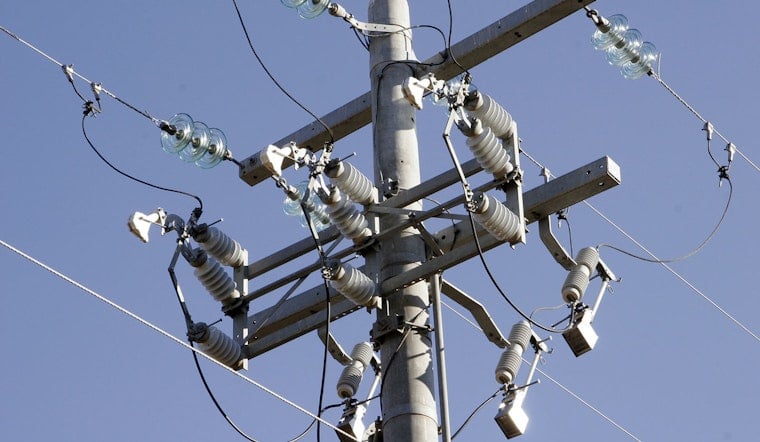
A severe thunderstorm tore through southeastern Wisconsin Sunday, cutting power to nearly 17,000 We Energies customers and leaving neighborhoods from Milwaukee to Watertown in the dark. The outages stretched across Muskego, New Berlin, Hales Corners and Wauwatosa, with Milwaukee itself absorbing the biggest hit as crews scrambled to assess the damage.
More than 7,000 We Energies customers were without power in Milwaukee alone, according to the utility's outage map as cited by the Milwaukee Journal Sentinel. The outage count across southeastern Wisconsin was recorded as of 12:20 p.m. Sunday, with many of the affected areas having been under a severe thunderstorm warning until noon. Dane County was also placed under its own severe thunderstorm warning earlier in the day, and Madison Gas and Electric reported about 128 customers there without service.
Storm Followed a Summer of Repeated Warnings
Sunday's outages capped a run of severe weather that has hit the region hard this season. Just two weeks earlier, on July 28, the National Weather Service issued severe thunderstorm warnings across southeastern Wisconsin for a cell capable of producing 70 mph wind gusts and tennis-ball-sized hail, as Hoodline reported in its piece on the tennis-ball hail threat that swept Walworth County. In April, a fast-moving line of storms accompanied by a brief overnight tornado warning knocked out power to roughly 57,000 We Energies customers statewide, and a windstorm later that month left more than 45,000 Milwaukee County customers in the dark.
The pattern is not surprising given the region's climate. Wisconsin experiences an average of 30 to 40 thunderstorm days per year, and straight-line wind gusts exceeding 58 mph account for 54% of all short-lived severe weather events statewide, according to the National Weather Service. Southern Wisconsin counties see an average of five to ten severe thunderstorm warnings per county each year, far more than the state's northern counties.
More Storms Possible Sunday Night
Per the National Weather Service, more scattered thunderstorms could develop later Sunday evening, though those are expected to be less severe than the storm that already rolled through. We Energies is reminding customers to report outages online or through the company app rather than by phone, and it is urging anyone who encounters a downed line to stay at least 25 feet away and treat it as energized.
Restoration Follows a Set Order
We Energies follows a prioritized storm restoration protocol that first secures damaged areas and restores power to critical public safety facilities such as hospitals, before moving on to substations, main distribution lines and finally individual homes and businesses. That staged approach explains why some neighborhoods may see their lights come back on well before others, even within the same city.
The outages also arrive amid a broader financial debate over the grid these storms keep testing. We Energies filed a rate application with the Public Service Commission of Wisconsin in April seeking $347.1 million in electric rate increases across 2027 and 2028, a request that would raise residential electricity rates by roughly 14% to 15% over two years, according to the Citizens Utility Board of Wisconsin. The utility has said the funds are intended in part to pay for grid infrastructure and clean energy projects, following previous double-digit rate hikes in 2023-2024 and 2025-2026.
Wisconsin has a long history with costly severe weather. Between 1980 and 2024, the state was struck by 44 separate severe storm events that each caused at least $1 billion in overall damage, according to NOAA's National Centers for Environmental Information. For now, We Energies crews remain focused on the immediate task of getting Sunday's outages resolved before any additional storms move through overnight.





