

























































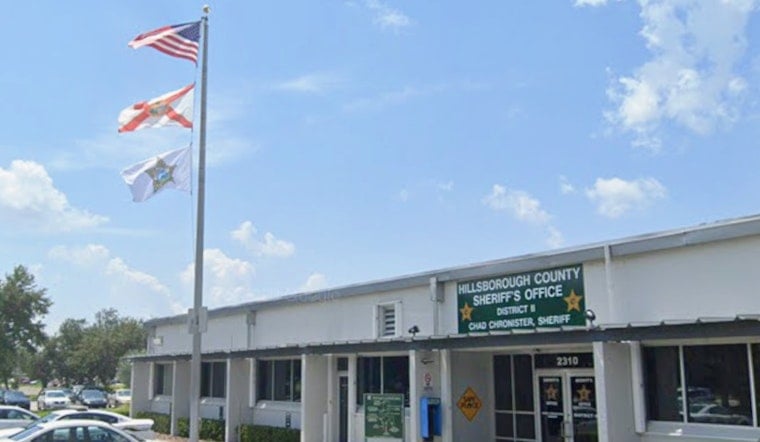
In 2023, a case manager with the Hillsborough County Sheriff's Office found a woman living out of her car, having lost everything to alcoholism. Three years later, that woman, identified only as Jodi, has a job she loves, a place of her own, and three years of sobriety behind her.
The case manager who found Jodi worked with the Behavioral Resource Unit, a specialized team within the Hillsborough County Sheriff's Office, according to a Hillsborough County Sheriff's Office on Facebook post detailing her recovery. Rather than making an arrest, the case manager helped Jodi find resources to begin recovery, connected her with a place to stay, and helped her find a job. The sheriff's office says it is proud to walk alongside people in recovery, and that recovery takes courage.
How the Behavioral Resource Unit Works
Jodi's story reflects a broader shift in how the Hillsborough County Sheriff's Office approaches mental health crises, addiction, and homelessness. The agency launched its Behavioral Resource Unit in October 2020 under Sheriff Chad Chronister specifically to connect people in crisis with social services before they end up in the criminal justice system, according to the Tampa Bay Times. When it was created, the unit combined five specially trained behavioral health deputies, five homeless outreach deputies, and three behavioral healthcare managers who are licensed mental health counselors or clinical social workers, per Police1.
The model appears to be working at scale. Between the unit's 2020 inception and September 2024, it responded to more than 8,100 calls for service without making a single arrest, focusing instead on follow-up care and connecting people to resources, the sheriff's office has said. That approach was born out of necessity: in the years before the unit existed, the sheriff's office recorded roughly 10,000 involuntary mental health commitments under Florida's Baker Act between January 2018 and early October 2020, with more than 1,200 of those involving people committed more than once, the Tampa Bay Times reported.
Legal Tools and Local Treatment Options
Cases like Jodi's also intersect with Florida's civil legal framework for addiction intervention. The Hal S. Marchman Alcohol and Other Drug Services Act allows family members, law enforcement, or treatment providers to petition a circuit court for mandatory assessment, stabilization, and treatment for someone impaired by addiction, according to the Florida Department of Children and Families. Hillsborough County backs that law with a dedicated Marchman Act Drug Treatment Court, known as Division Z, within the Thirteenth Judicial Circuit Court, which oversees court-ordered addiction evaluations and monitors treatment compliance.
When case managers refer people into treatment, much of that care flows through providers like Cove Behavioral Health, originally founded in 1973 as DACCO. The organization serves as one of Hillsborough County's primary safety-net providers, delivering detox, residential rehabilitation, and outpatient care to more than 25,000 people annually, according to Cove Behavioral Health. Regional health evaluations in February 2025 listed mental health conditions and substance misuse among the top public health concerns facing Hillsborough County residents.
Community Partners Fill in the Gaps
Getting someone into treatment is only part of the challenge; staying connected to appointments and basic necessities matters too. NAMI Hillsborough recognized the Behavioral Resource Unit's work in December 2020 with its Community Partner Award and donated a year's supply of regional transit bus passes, which the unit uses at a rate of roughly 30 per month to help unhoused and recovering residents get to medical and social service appointments, according to Patch. The sheriff's office has also partnered with Metropolitan Ministries and The Yerrid Foundation, distributing 5,000 food boxes and 500 outreach backpacks containing water, food, and hygiene items to unhoused residents across the county in May 2021.
Jodi's turnaround is one story among thousands of contacts the unit has made since 2020, and it comes as Hillsborough County continues to invest in resources for people experiencing homelessness and addiction. Hoodline previously reported on a new shelter aimed at getting homeless veterans off the streets, and the county has also opened emergency shelters during cold snaps for vulnerable residents. Long-term success for programs like the Behavioral Resource Unit depends heavily on that kind of sustained investment in treatment capacity, housing, and transportation, alongside the case management work that first got Jodi off the street and into recovery.





