

























































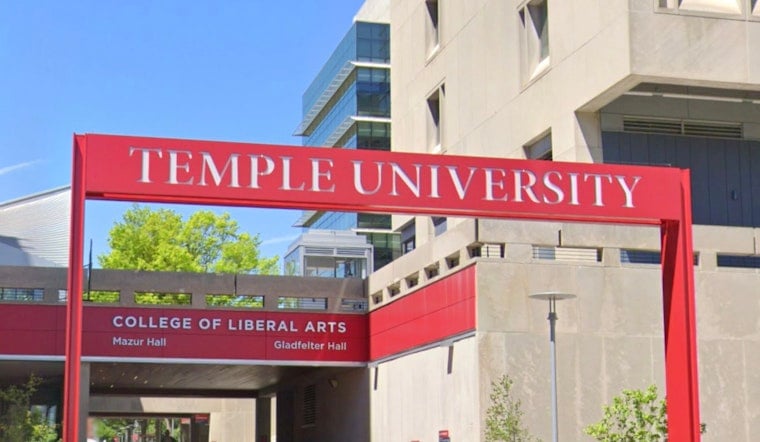
Temple University will require most incoming freshmen to live on campus starting in fall 2027, ending decades of the North Philadelphia school's identity as a commuter-friendly option and forcing thousands of 18-year-olds into dorm life whether they planned for it or not. The new policy applies to incoming undergraduate students under the age of 21, who will be required to live in university housing for their first two semesters.
Temple says the change is meant to create what the university calls a more intentional first-year experience that connects students earlier to campus support systems, according to NBC10 Philadelphia, which first reported the policy. The university also frames the move as aligning with national best practices — more than 60% of four-year residential colleges and universities already maintain some form of first-year residential requirement, per the same report.
A Retention Crisis Years in the Making
The mandate arrives as Temple grapples with a steep decline in student retention. An internal report obtained in April revealed the university's freshman retention rate fell from 90% in 2016 to 82% in 2024, with early projections warning it could slide below 80% for incoming classes, according to The Philadelphia Inquirer. The same internal financial records showed Temple's U.S. student enrollment dropped 27% over an eight-year span, translating to an average annual revenue loss of more than $200 million.
Higher education research has long linked on-campus housing to stronger first-year retention, and Temple's own numbers illustrate why the pressure has mounted. Main campus enrollment fell from over 40,000 students in 2017 to under 30,000 in 2025, per the same Inquirer reporting. That slide has coincided with the tenure of President John Fry, who took office in November 2024 after leading Drexel University from 2010 to 2024, where he built a national reputation for major campus housing developments and implemented a similar two-year residency requirement, according to Temple University.
Catching Up to Penn, Drexel and Penn State
Temple's move brings it in line with regional peers. The Inquirer's reporting notes that the University of Pennsylvania and Drexel already enforce mandatory two-year on-campus residency rules for first- and second-year students, while Pennsylvania State University requires freshmen to live on campus at its University Park campus. Temple is also a member of the University Innovation Alliance, a group of peer institutions the school looks to for comparison on student success initiatives.
Before this policy takes effect, Temple has maintained roughly 5,000 to 6,000 residential beds across 11 residence halls — enough to house about 63% of first-year students but only 19% to 22% of all undergraduates, the Inquirer's reporting shows. That gap sets up a logistical squeeze: Temple recorded 6,682 first-year enrollment deposits for the Class of 2030 as of July, a 4.7% year-over-year increase that marked a second consecutive record for incoming freshmen deposits, according to a university announcement shared on Facebook.
Building More Beds — and Buying Up the Block
To handle the expected surge in demand, Temple unveiled a 20-year master plan in January called Building Connections, which proposes a new mixed-use residential complex on the former Peabody Hall site on Broad Street that would expand main campus housing capacity by 20%. The plan is expected to precede renovations to Johnson and Hardwick Halls, the university has said.
Temple has also been acquiring property just off campus. In May, the Board of Trustees authorized spending up to $2.37 million from reserve funds to buy a historic North Philly jazz venue at 1402-04 W. Oxford Street, expanding the university's footprint near existing student housing density.
The Cost of Mandatory Dorm Life
The financial stakes for freshmen are steep. In July, Temple's Board of Trustees approved a 4% increase in room and board fees for the 2026-2027 academic year, setting standard double-occupancy housing at Johnson and Hardwick Halls with a 12-meal plan at $15,094 per year, per the Inquirer. That increase came alongside broader tuition hikes and staff layoffs at the university.
Temple says it will weigh affordability as it rolls out the policy, and that students facing financial hardship may qualify for exceptions, according to NBC10 Philadelphia. The university has said it will consider each student's financial, personal and commuting circumstances individually, and that students who live nearby with their families may also qualify for exceptions.
Safety Concerns Near Off-Campus Housing
Beyond retention and revenue, the shift toward mandatory on-campus living follows a string of violent incidents near off-campus student housing in North Philadelphia. In February 2025, a 20-year-old Temple student was fatally shot outside student apartments along North Carlisle Street. Days later, a Temple graduate was hospitalized in critical condition following a stabbing near campus, and more recently, an illegal hookah lounge near Temple erupted in gunfire, wounding two men.
Temple frames its new residency requirement as part of its Forward with Purpose strategic plan, positioning supervised, university-run housing as a way to connect freshmen to campus resources during their most vulnerable year. Whether the policy can be fully implemented by fall 2027 — given current bed capacity and the still-unfinished Building Connections expansion — remains to be seen as Temple works to balance record enrollment growth against the realities of its campus footprint.





